
 E-Paper



Is your child malnourished? Pediatrician shares 5 subtle signs that parents often miss

 Prefer HTon Google


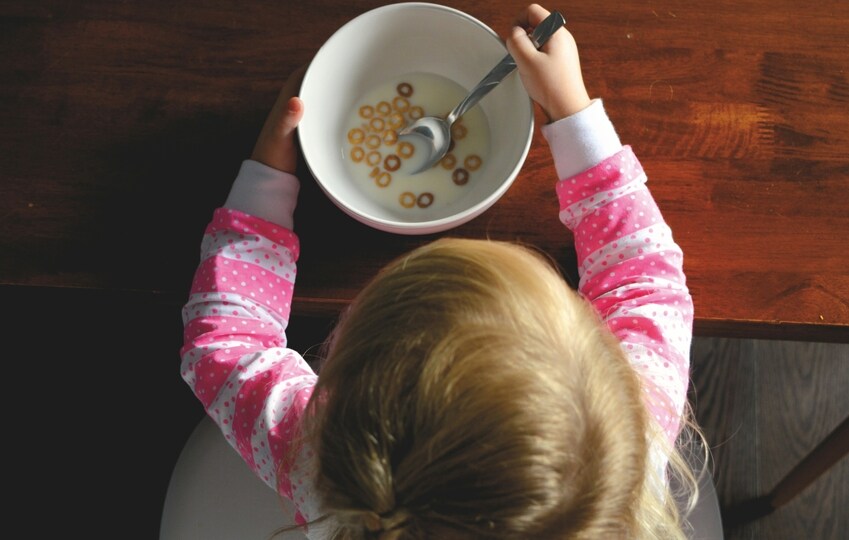
From being fatigued whole day to mood swings and loss of focus, here are a few signs of malnourishment in children to know.
A child’s diet should be a compilation of healthy nutrients. Nutritional gaps in their diet can have long-term effects on their growth, development and overall health. In an interview with HT Lifestyle, Dr Ravi Malik, paediatrics, MAMC and founder and medical director, Malik Radix Healthcare said, “Your child may appear active and healthy, but nutrient gaps can quietly affect their growth, immunity, and focus. Especially in picky eaters, these deficiencies often go unnoticed.” Also read | Is your kid a picky eater? Here are 7 tips to add healthy foods to your child's diet
Dr Ravi Malik further shared the subtle signs of malnourishment in children that parents should watch out for:
1. Low energy and fatigue after play
If your child is often tired after playtime, wants naps frequently, or struggles to concentrate, it may signal deficiencies in iron, vitamin B12, or protein. These nutrients are essential for maintaining energy and supporting brain function. Watch out for increased sleepiness, lack of focus, or sluggish behavior.
2. Hair loss or brittle strands
Noticeable thinning or frequent hair breakage may point to low protein, biotin, or zinc levels. In more severe cases, you might see patches of hair loss (alopecia). Hair health is a reliable marker for nutritional status, especially protein intake.

3. Falling sick too often
While 6–8 episodes of fever per year are considered normal, frequent colds, slow recovery, or recurring infections can indicate a weak immune system. This could be due to deficiencies in vitamins C, D, zinc, or protein. Watch for patterns of illness, especially gastrointestinal infections or chest infections. Also read | Is your child’s diet putting their heart at risk? Essential guide for parents
4. Delayed growth or dental issues
If your child is not gaining weight or height as expected or has delayed or chipped teeth, they may be lacking protein, calcium, or vitamin D. Roughly, a 1-year-old should weigh around 10 kg, a 6-year-old around 20 kg, and a 10-year-old around 30 kg. Similarly, expected heights are 75 cm at 1 year, 100 cm at 4 years, and 137 cm at 10 years.
5. Mood swings and poor focus
Frequent irritability, anxiety, or poor school performance may be linked to low levels of omega-3, iron, or B-complex vitamins. These nutrients play a key role in cognitive and emotional development.
What can parents do?
“Focus on colourful, balanced meals with fruits, vegetables, whole grains, lentils, nuts, and seeds. Eggs are an excellent protein source. Encourage outdoor play for natural vitamin D. Avoid over-reliance on packaged health drinks. And most importantly, consider supplements only after consulting a pediatrician,” the doctor suggested. Also read | Power of Indian superfoods: Nutritionist recommends 5 foods to add to your child’s diet
Note to readers: This article is for informational purposes only and not a substitute for professional medical advice. Always seek the advice of your doctor with any questions about a medical condition.


Catch your daily dose of Fashion, Taylor Swift, Health, Festivals, Travel, Relationship, Recipe and all the other Latest Lifestyle News on Hindustan Times Website and APPs.


