
 E-Paper



Nanoplastics can make you anxious: Study shows impact on mood and behaviour

 Prefer HTon Google



Study shows nanoplastics can affect mood and behaviour, disturbing the neural activity in brain's dopamine related areas.
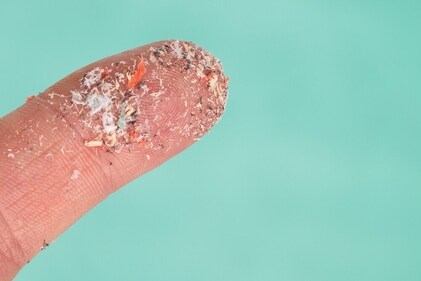
Nanoplastics are infinitesimally small plastic fragments, which are not visible to the naked eye and measure less than 1 micrometre in diameter. Since these particles are so small, they can be found in the human biological system, from the bloodstream to organs. A study published in the journal Neuroscience examined how these nanoplastics interfere with brain development and social behaviour.
ALSO READ: Paying with plastic: How microplastics are changing our world
Understanding nanoplastic’s effect
The researchers examined the effect of nanoplastics on mice’s brains and behaviour. They exposed the nanoplastics to pregnant mice at different developmental stages. The mice were first given nanoplastics while still developing in the womb, then as babies, and eventually during early adulthood. During the experiments, their behaviour and brain activity were evaluated. The researchers found that the timing of when the mice were exposed to the nanoplastics was important. Based on when the mice were exposed to the nanoplastics, they showed very different reactions.
Different reactions
Mice that were exposed to nanoplastics during late pregnancy or early adulthood, had trouble with social behaviour. Unfamiliar places would make them anxious and even freeze, showing very high signs of distress. The researchers also found that these mice exhibited reduced social familiarity, meaning they were less engaged with other mice and didn’t interact in a normal, comfortable way. These mice were very anxious.
For these mice, the brain activity in dopamine-related areas was disrupted. Dopamine is one of the hormones that regulate mood and behaviour. It is often called the ‘happy hormone.’ This may be the reason why they become anxious.
Whereas, the mice exposed to nanoplastics during the middle of pregnancy didn’t move as much and had very slow movements. Those mice exposed to nanoplastics during adolescence had more brain activity but didn't show noticeable changes in their behaviour like the ones exposed at other developmental stages.
The result is significant as it shows how dangerous nanoplastics can be. These little fragments can enter the body, even during sensitive periods like pregnancy. This has long-term consequences as they may disrupt brain functions related to mood, social interactions and even movements.
Disclaimer: This article is for informational purposes only and not a substitute for professional medical advice. Always seek the advice of your doctor with any questions about a medical condition.


Catch your daily dose of Fashion, Taylor Swift, Health, Festivals, Travel, Relationship, Recipe and all the other Latest Lifestyle News on Hindustan Times Website and APPs.


