
 E-Paper



New treatment strategy for damaged cartilage discovered: Study

 Prefer HTon Google


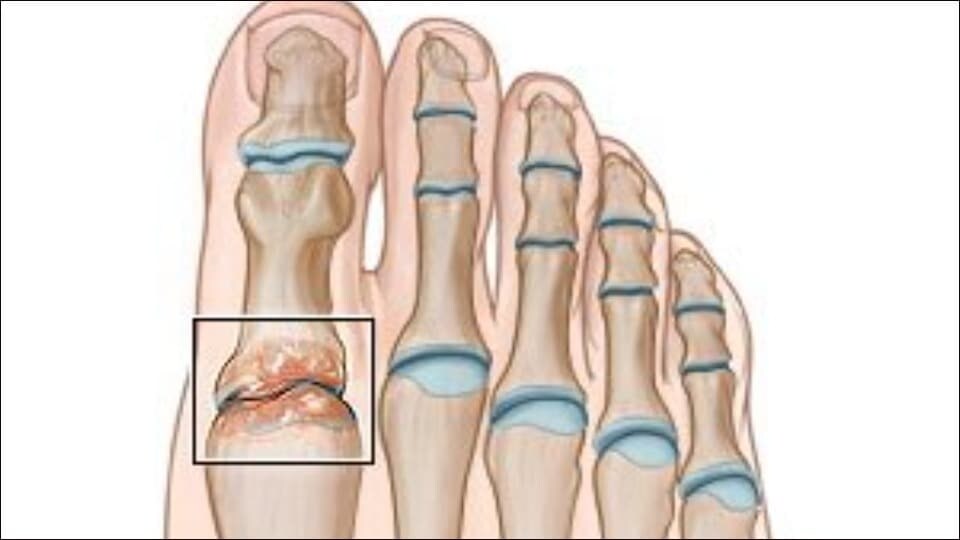
Stem cell therapy shows promise in repairing damaged cartilage, a crucial bone-protecting tissue with limited self-healing abilities.
Cartilage is a bone-protecting tissue that absorbs trauma and allows for fluid joint mobility. Despite its poor inherent healing capacity, stem cell transplantation is a viable therapeutic technique for dealing with cartilage inflammation and injury, as well as promoting cartilage regeneration. However, the rapid clearance of transplanted stem cells from the fluid environment surrounding cartilage and the smooth surface of the cartilage itself is a key disadvantage of this approach, leading to less favourable treatment outcomes.
A team of researchers from POSTECH, Dongguk University Medical Centre, and Nature Gluetech in Korea have devised a therapeutic solution for damaged cartilage. It entails the use of a viscous immiscible liquid that, when combined with a sticky protein generated from mussels and hyaluronic acid, can assist the transplanting of stem cells into damaged tissue.
The joint team was led by Professor Hyung Joon Cha (Department of Chemical Engineering and School of Convergence Science & Technology), Ph.D. candidate Seong-Woo Maeng, Dr. Tae Yoon Park, and Professor Kye Il Joo (currently, at Ewha Womans University) from the Department of Chemical Engineering at POSTECH, Professor Gun-Il Im and Dr. Ji-Yun Ko from Dongguk University Medical Center, and Dr. Seongmin Ha from Nature Gluetech Co., Ltd. The research, supported by the Korea Health Technology R&D Project through Korea Health Industry Development under the Ministry of Health and Welfare, has been published in the Chemical Engineering Journal.
The researchers developed a novel bioadhesive material in the form of a viscous immiscible liquid phase to overcome the limitations of the conventional treatment strategy. This was achieved by combining adhesion protein derived from mussels with high-molecular-weight hyaluronic acid, which exhibits opposing charges and thus facilitates electrostatic interactions between them.
By engineering a highly viscous liquid bioadhesive that does not disintegrate or swell in water, the team formulated an adhesive material that can securely encapsulate stem cells and facilitate their firm attachment to the transplantation site.In addition, the team demonstrated that stem cells encapsulated within the liquid bioadhesive were retained in situ when transplanted into defective cartilage in a rabbit model evaluation.
The prolonged retention of transplanted stem cells within damaged cartilage facilitated cartilage regeneration and enhanced the therapeutic effects of stem cell transplantation. An additional benefit of the adhesive liquid developed by the team includes a natural adhesive that does not require any additional physical or chemical processes.
Professor Hyung Joon Cha who led the research stated, "The therapeutic effects of stem cells can be significantly enhanced by using mussel adhesion protein, an original biomaterial developed in Korea." He also noted that "Because the liquid bioadhesive can be formulated for injection, it has the potential to be an effective treatment for damaged cartilage when used in stem cell transplantation via an arthroscope, similar to an endoscope."The material technology for mussel adhesion protein has been transferred to Nature Gluetech Co., Ltd. and a clinical study of the stem cell adhesive named CartiFix, which was developed for arthritis treatment in this research, is expected to begin soon.


