
 E-Paper



Parkinson’s in your 30s? Neurologist shares subtle signs: ‘Stiff shoulder that does not improve…’

 Prefer HTon Google


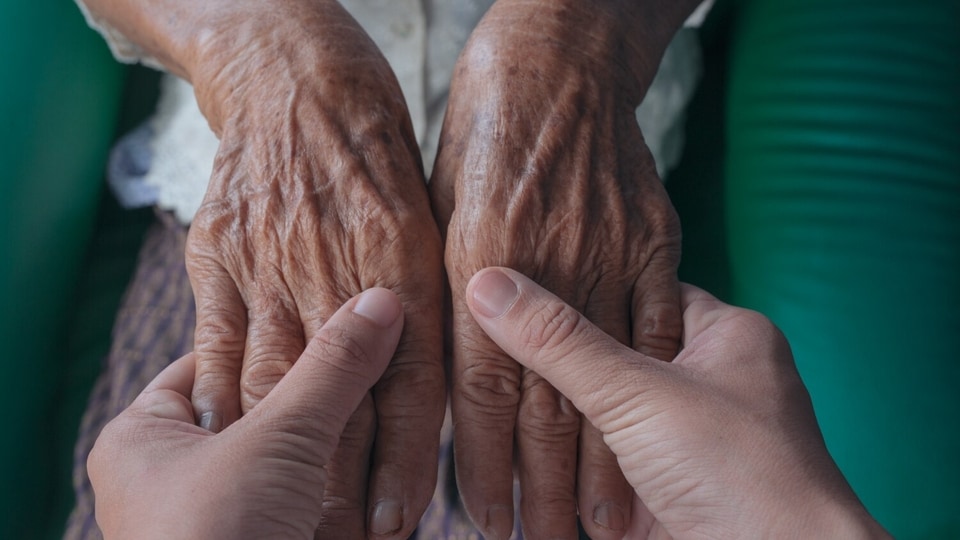
From stiff shoulders to loss of smell, the early signs of Parkinson's go beyond tremors, especially for younger adults.
Parkinson's is a progressive disease commonly believed to affect only older adults. However, it is not limited to later life; younger people can also develop the condition, sometimes as early as their thirties. The signs may be very subtle, and not something that would immediately be associated with Parkinson's disease.
Dr Neha Pandita, senior consultant neurologist and unit head, clinical lead for Parkinson's Disease and Movement Disorders at Fortis Hospital, Noida, shared the subtle signs of young-onset Parkinson's disease and described why they are mistaken for stress, poor posture and other everyday health problems.
Can Parkinson's disease develop in your thirties?
Introducing what she commonly observes in her practice, Dr Panita said, "'Doctor, are you sure? I thought Parkinson's happens only to old people.' I have lost count of how many times I've heard this question in my clinic. For most people, Parkinson's disease has one image — a frail elderly person with trembling hands and slow movements. It's an image deeply ingrained in our minds, which is why the possibility of Parkinson's rarely crosses anyone's mind when a person in their thirties walks into a hospital.”
Why is young-onset Parkinson's difficult to identify?
The strong association between Parkinson's and old age can make the condition harder to identify in younger adults, as some early signs may be mistaken for the effects of lifestyle habits, such as excessive stress. Patients may not even consider Parkinson's a possibility because their symptoms do not match the stereotypical image of the disease. Because of this, early warning signs may be dismissed.
Dr Pandita clarified that Parkinson's still predominantly affects older adults. She also sees a small but significant number of younger patients each year. She said, "Every year, I see a small yet significant number of younger individuals whose lives are unexpectedly interrupted by a diagnosis they never imagined they could receive.”
Which movement-related changes may signal Parkinson’s?
Young-onset Parkinson's disease may not always begin with an obvious tremor or pronounced difficulty moving. Instead, it can appear through small changes in everyday movements.
The neurologist described, “One notices that their right arm doesn't swing naturally while walking. Another struggles with a stiff shoulder that refuses to improve despite physiotherapy. Someone else tells me their handwriting has become unusually small, or that they can no longer button a shirt as quickly as they once could.”
These symptoms may resemble orthopaedic problems or effects of stress and poor posture; patients may consult several specialists, such as physiotherapists or even psychologists, before finally seeing a neurologist.
Can Parkinson’s cause symptoms beyond movement?
Yes, parkinson's disease can affect more than movement. Dr Pandita described, “Long before a tremor appears, the brain may already be sending quieter signals. Some patients recall losing their sense of smell years earlier. Others describe vivid dreams in which they physically act out while sleeping. Persistent constipation, unexplained fatigue, or subtle changes in mood may also precede the diagnosis.”
These symptoms may initially appear unrelated because they affect different aspects of health, from sleep and smell to digestion, energy levels and mood. They may also have several possible causes, making their connection to Parkinson's difficult to recognise.
The neurologist shared, “Some patients recall losing their sense of smell years earlier. Others describe vivid dreams in which they physically act out while sleeping. Persistent constipation, unexplained fatigue, or subtle changes in mood may also precede the diagnosis.”
The exact reason Parkinson's affects some younger people, as per the neurologist, is still unclear, but genetics play a relatively greater role in younger patients. Research is also ongoing regarding the influence of environmental exposure and individual susceptibility.
Note to readers: This article is for informational purposes only and not a substitute for professional medical advice. Always seek the advice of your doctor with any questions about a medical condition.


Catch your daily dose of Fashion, Taylor Swift, Health, Festivals, Travel, Relationship, Recipe and all the other Latest Lifestyle News on Hindustan Times Website and APPs.


