
 E-Paper



Can a 5-minute memory test detect Alzheimer’s? Neurologist shares what it can and cannot reveal

 Prefer HTon Google


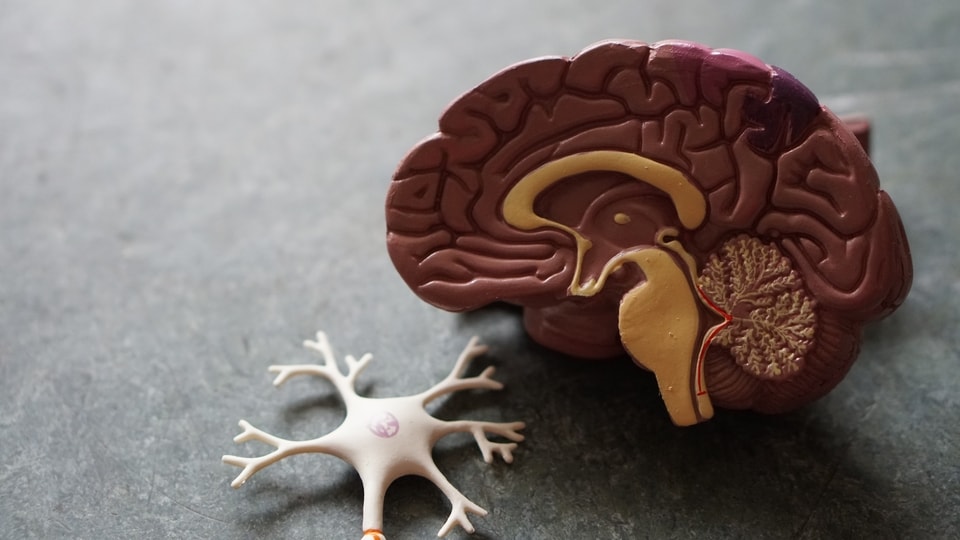
Learn from an expert if a quick memory test can really confirm Alzheimer’s or if it is a treatable condition.
As one ages, cognitive decline may occur, sometimes due to progressive neurodegenerative diseases such as Alzheimer's. As the condition progresses over time, the focus is often on detecting its symptoms early. Memory-related tests are commonly used to identify possible warning signs, as Alzheimer's affects areas of the brain involved in memory. But to what extent? You will come across many ‘Alzheimer’s' memory tests online, but are they really accurate?
ALSO READ: Want to keep your brain resilient as you age? Dementia specialist shares 7 everyday habits
Dr Abhishek Dixit, in neurology at Paras Health, Gurugram, explained to HT Lifestyle what five-minute memory tests can and cannot reveal, why their results may sometimes be misleading, and what a comprehensive Alzheimer's diagnosis actually involves.
What does a five-minute memory test reveal?
Since Alzheimer's affects memory and other major cognitive functions, rapid tests assess abilities such as short-term memory, orientation, and basic problem-solving. These tests can help doctors identify possible cognitive issues. But how effective are they?
Dr Dixit said, “Screening instruments such as rapid tests of the Mini-Mental State Examination and the Five-Minute Cognitive Test gauge short-term memory, orientation, and general problem-solving skills. Research shows that these tests have great sensitivity in identifying cognitive deficits. The tests operate like a warning light on an automobile, indicating to the physician the need for further investigation of a patient’s cognitive well-being.”
Therefore, a poor score on a memory test does not confirm Alzheimer's disease. Similar memory problems may be caused by treatable conditions. The doctor mentioned that severe vitamin B12 deficiency, uncontrolled hypothyroidism, chronic depression, vascular damage caused by untreated diabetes, and urinary tract infections in older adults can lead to a sudden decline in memory.
He added, “Flagging an issue is not the same as identifying its root cause. Short tests cannot differentiate between irreversible neurodegeneration and treatable medical conditions that mirror dementia symptoms.”
Why can't a quick test confirm Alzheimer's?
The doctor cautioned that the changes associated with Alzheimer's disease are biological and involve the accumulation of amyloid plaques and tau tangles. Therefore, pen-and-paper memory exercises cannot detect these physical changes in the brain.
He said, “A patient might fail a short recall task due to high anxiety, fatigue, or poor sleep during the clinic visit, leading to a false positive that creates severe psychological distress.”
The expert believed the real diagnosis is more elaborate, as it requires a comprehensive, multi-step clinical evaluation that unfolds over time. Neurologists rely on detailed patient histories, structured interviews with family members to track functional changes, and comprehensive neuropsychological batteries that assess multiple cognitive domains.
Which tests are used? Dr Dixit added, “To confirm the diagnosis and distinguish it from other causes, doctors apply brain imaging techniques such as MRI or CT scans, along with specific blood biomarkers and cerebrospinal fluid (CSF) tests. Quick memory tests are great conversation openers in a doctor's office, but they are merely the first step on a much longer diagnostic path.”
Note to readers: This article is for informational purposes only and not a substitute for professional medical advice. Always seek the advice of your doctor with any questions about a medical condition.


Catch your daily dose of Fashion, Taylor Swift, Health, Festivals, Travel, Relationship, Recipe and all the other Latest Lifestyle News on Hindustan Times Website and APPs.


