
 E-Paper



Preeclampsia can be fatal for pregnant people and babies; new blood tests aim to show who's at risk

 Prefer HTon Google


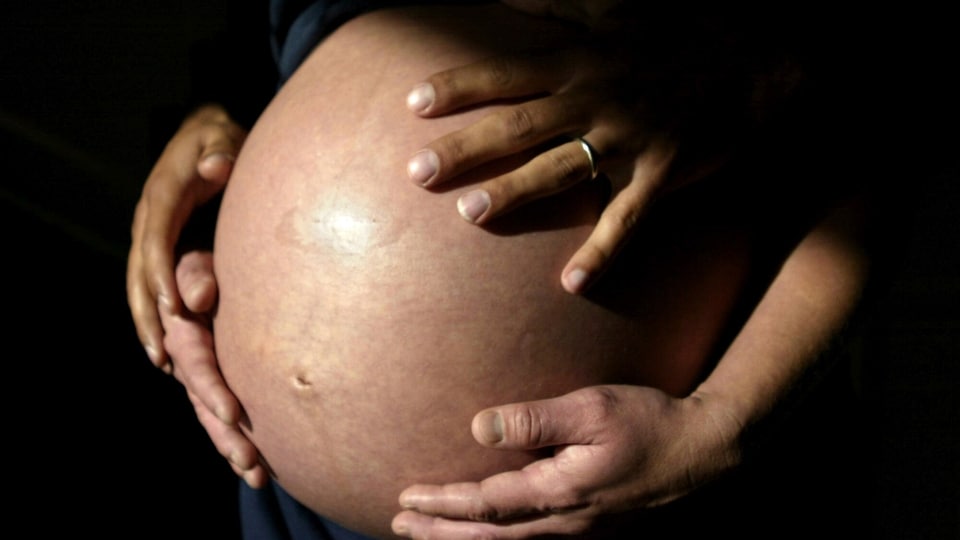
Preeclampsia affects both the mother and baby and can occur in the second half of pregnancy or the postpartum period. The exact causes aren’t known.
When you're expecting a baby, you hope nothing goes wrong. But at least one in 20 people who are pregnant develop a scary complication called preeclampsia, a high blood pressure disorder that kills 70,000 women and 500,000 babies worldwide every year.
There was no way to know when it might strike — until now. New blood tests may help doctors predict and manage this dangerous condition.
“When something bad happens in pregnancy, you want to catch it early so you can avoid adverse outcomes for the mom and the baby,” said Dr S Ananth Karumanchi with Cedars-Sinai in Los Angeles. (Also Read | Jaideep Ahlawat lost 26 kgs in 5 months for Maharaj! Shares before-after pics)
What is preeclampsia?
The condition affects both the mother and baby and can occur in the second half of pregnancy or the postpartum period. The exact causes aren’t known.
Besides high blood pressure, other signs of preeclampsia include protein in the urine, severe headaches, changes in vision, nausea and sudden swelling in your face and hands. It’s generally diagnosed by checking for protein in the urine, measuring blood pressure and following up with other tests if warranted.
Once you have preeclampsia, it can progress rapidly and cause organ damage, stroke, preterm birth, slow growth in the baby and other problems.
To prevent the condition, the American College of Obstetricians and Gynecologists recommends pregnant patients get low-dose aspirin if they have one or more particular risk factors, such as chronic high blood pressure, Type 1 or 2 diabetes before pregnancy or kidney disease.
The primary treatment for preeclampsia is to deliver the baby or manage the condition until the baby can be delivered. People with severe preeclampsia are usually hospitalized and may be given medicines to lower blood pressure, prevent seizures and help the fetus’ lungs develop.
How do the new tests work?
The tests measure “biomarkers” for preeclampsia in the blood, objective measures that show what’s happening in an organism at any given moment.
At this point, there are only a few tests on the market.
One, by Labcorp, is designed to be performed between 11 and 14 weeks gestation on any pregnant patient. It measures four early pregnancy biomarkers that, combined with other factors, help determine the risk of developing preeclampsia before 34 weeks of pregnancy.
Two other tests — another by Labcorp and one from Thermo Fisher Scientific — are used in the second and third trimesters on hospitalized patients to assess whether they are at risk of progressing to severe preeclampsia within a couple of weeks. More tests by other companies are in the pipeline.
“They absolutely represent an exciting advancement, especially when you look at the field of preeclampsia and the fact that there’s been very little new introduced to the field in decades,” said Eleni Tsigas, CEO of the nonprofit Preeclampsia Foundation. She lost one baby and also nearly died because of undiagnosed preeclampsia about two decades ago, and developed it again in her second pregnancy and gave birth to a son who spent time in neonatal intensive care.
The new blood tests augment but don’t replace a doctor’s judgment, she added, “basically giving them insight that they haven’t had before. And that’s particularly useful in cases where things are in the gray zone,” such as when you have preexisting health problems such as chronic high blood pressure or obesity.
Should you ask for a test?
“If I were pregnant today then I absolutely would,” Tsigas said.
Though “there’s no therapy right at the moment," Karumanchi said, doctors can closely watch those at higher risk and do more follow-ups with them. For patients shown to be at low risk, the tests offer reassurance.
The tests could also help speed up the development of new treatments, he said, because researchers can identify patients at risk who might be willing to join studies.
Still, some OB-GYNs may not offer the tests immediately because they are so new, Tsigas said. But she figures: Why wait?
“You just have to look at the mortality and morbidity rates related to preeclampsia to know that clearly we have work to do,” she said. "So I don’t think there’s a downside to adding tools to a nearly empty toolbox.”


