
 E-Paper



Pulmonologist reveals if masks really protect you from pollution: ‘Replace regularly if you’re exposed to…’

 Prefer HTon Google


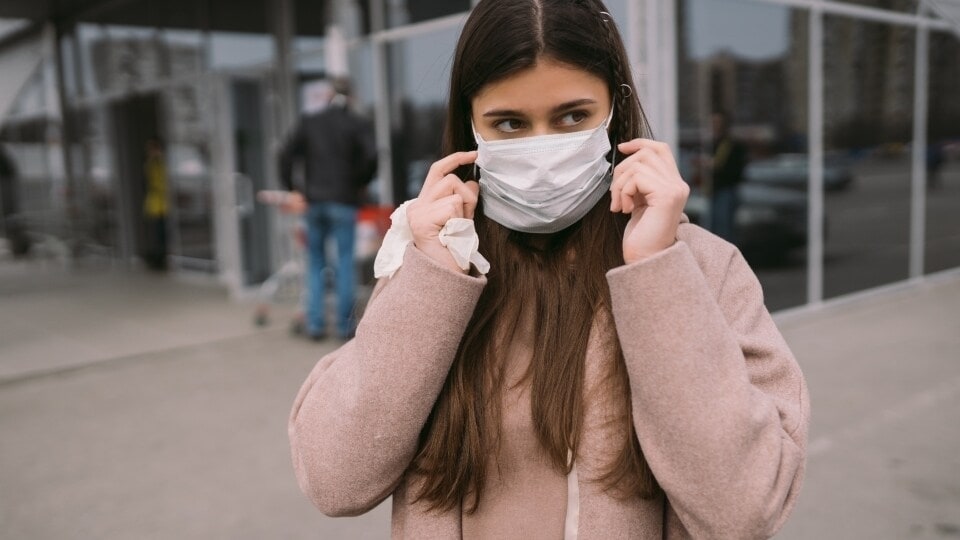
Pulmonologist Dr Sonia Goel emphasises that not all masks protect equally against pollution. N95 and KN95 masks are most effective against fine particles.
Come winter, pollution levels in India rise. During this time, it is recommended to avoid going outdoors, use air purifiers indoors, and refrain from exercising outdoors. Some experts also suggest wearing face masks when stepping outside to safeguard oneself from pollutants in the air.
In an Instagram post shared on October 5, Dr Sonia Goel, a pulmonologist with over 5 years of experience, shed light on whether face masks really protect you from pollution. Here's the real answer:
Do masks really protect you from pollution?
According to the pulmonologist, we all wear masks in the hope of staying safe from pollution. However, when it comes to their effectiveness, how good are they, really? To break it down simply and with facts, the pulmonologist pointed out that not all masks are the same. See the video here.
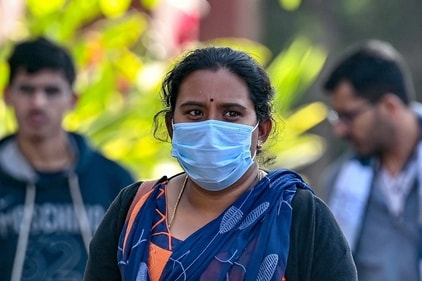
So, if you think wearing any mask—surgical, N95, or K95—to fight pollution is okay, then this is your wake-up call. Here's how to know which mask is a better option for you to safeguard yourself from pollutants:
Surgical masks
The pulmonologist shared, “Surgical masks or cloth masks block large particles like dust, but fine particulate matter (PM2.5), the really harmful stuff in city air, can pass through easily,” which makes them an unsafe option when the AQI goes to an all-time high.

N95/KN95 masks work best
According to the pulmonologist, N95 or KN95 masks are most effective. “These masks are designed to filter out 95 percent of tiny particles in the air, including PM2.5 and smoke. But they only work if worn properly, with a snug fit, nose clip adjusted, and no gaps,” Dr Goel shared.
Duration matters
However, your job doesn't just stop at wearing the mask. “Masks can get less effective over time as they get damp or dirty. Replace them regularly if you’re exposed to high pollution,” the pulmonologist suggested.
Here are a few other protective measures, Dr Goel suggested. “Masks are helpful but not enough. Combine them with:
- Avoid peak traffic hours outdoors.
- Staying indoors on severe pollution days.
- Using air purifiers at home/work.
- Planting indoor plants that improve air quality.
- Special caution for sensitive groups,” she said.
Lastly, she cautioned, “Children, the elderly, and people with asthma or lung diseases are more vulnerable. For them, using high-quality masks and limiting outdoor exposure is critical.”
“Bottom line: Masks help, but they are part of a bigger strategy to protect your lungs. Don’t rely on them alone; take a holistic approach to clean air,” Dr Goel added.
Note to readers: This article is for informational purposes only and not a substitute for professional medical advice. Always seek the advice of your doctor with any questions about a medical condition.
This report is based on user-generated content from social media. HT.com has not independently verified the claims and does not endorse them.


Catch your daily dose of Fashion, Taylor Swift, Health, Festivals, Travel, Relationship, Recipe and all the other Latest Lifestyle News on Hindustan Times Website and APPs.


