
 E-Paper



Raipur oncologist explains if pesticides can cause cancer, shares how to avoid them in food

 Prefer HTon Google


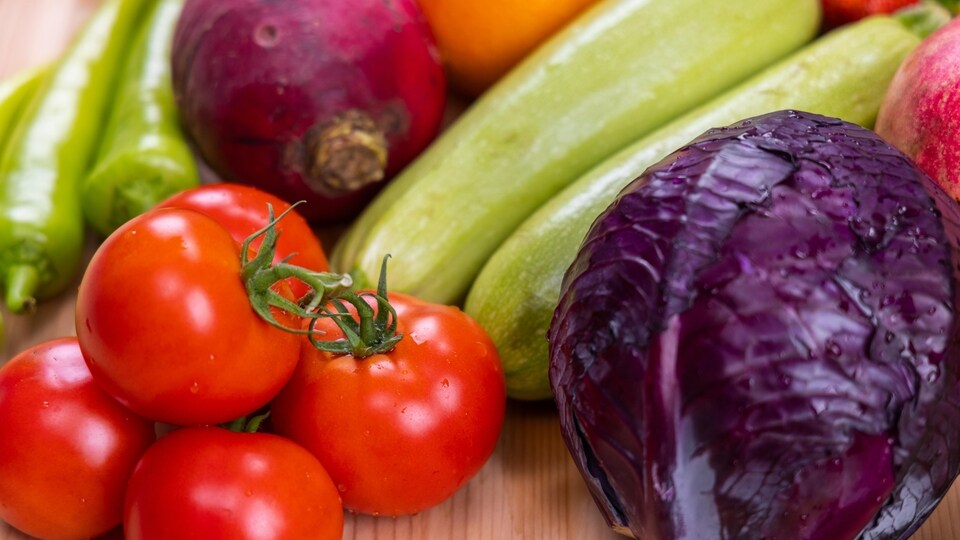
Exposure to pesticides have been linked to cancer but the risk is not same for everyone, explains Dr Sharma.
Pesticides have long been linked to causing cancer. However, according to Dr Jayesh Sharma, Raipur-based oncologist with over 25 years of experience, there are two chapters to the story. Taking to Instagram on April 29, he explained what they are, as well as how best to protect ourselves.
Also Read | UK surgeon explains if microplastics increase colon cancer risk; shares control measures
Can pesticides cause cancer?
Pesticides affect two groups of people in different ways, shared Dr Sharma. The first group is the farmers, people who spray pesticides on the crops and are more exposed to them than the rest of the population.
“The long-term high exposure to pesticides shows clear evidence of being linked with cancers such as leukaemia and lymphoma,” he stated. “However, people who are only exposed to pesticides through their food tell a different story.”
“There are two types of pesticides,” noted Dr Sharma. “The older organochlorine pesticides such as DDT have now been banned. These compounds are known to stay in the soil for decades. They can be picked up by plants through their roots and transported to the edible parts, like fruits and vegetables. They may disrupt endocrine functioning and present the risk of breast and certain reproductive cancers.”
The good news, shared Dr Sharma, is that these pesticides are now less in use. The modern pesticides have a lifespan of three to 10 days. Therefore, by the time it reaches our homes, it has already started to degrade.
“While there has been no proven link between the new pesticides and cancer, even small exposures over an extended period of time can present some risk,” he cautioned. “So it is best to avoid them.”
How to avoid pesticide exposure from food
According to Dr Sharma, there are three levels to avoid pesticide exposure from food. “There is no pressure; one can follow whichever method they feel is more practical,” he shared.
Level 1: Basic
- Wash fruits and vegetables in flowing water and scrub them by hand. Soaking does not work as well as washing with running water.
- Take out the outer leaves of vegetables such as cabbage. Wash each leaf of greens such as spinach, not just the entire bundle together.
- Pressure cooking, boiling and tadka help break down pesticide molecules, so it is important to cook food before eating. Rotating fruits and vegetables over days also helps.
Level 2: Smart
- Take half a litre of water and add a spoonful of salt. Soak the vegetables in it for five minutes, and then follow the washing under flowing water step of level one.
- Remove the skin of fruits and vegetables, even apples, guava and cucumbers, because the outer layer has more pesticides.
- Out-of-season fruits and vegetables have more pesticides on them, so try to consume seasonal foods.
Level 3: Ultra
- Soak the vegetables in a water and baking soda solution for 10 to 15 minutes, then wash in running water.
- Buy certified organic fruits and vegetables that are consumed the most, which have less pesticide.
- Grow simple plants like coriander, mint and tomato in the garden or balcony.
Note to readers: This article is for informational purposes only and not a substitute for professional medical advice. Always seek the advice of your doctor with any questions about a medical condition.
This report is based on user-generated content from social media. HT.com has not independently verified the claims and does not endorse them.


Catch your daily dose of Fashion, Taylor Swift, Health, Festivals, Travel, Relationship, Recipe and all the other Latest Lifestyle News on Hindustan Times Website and APPs.


