
 E-Paper



Roasted vs raw pumpkin seeds: Nutritionist explains which option is healthier for your diet and nutritional needs
Pumpkin seeds support immune and heart health. But should you eat raw or roasted pumpkin seeds? Know the healthiest way to eat pumpkin seeds.

 Prefer HTon Google


When you're looking for a tasty snack that feels both healthy and indulgent, pumpkin seeds (or pepitas) are a great choice. These small, green seeds are crunchy and packed with nutrients. You can eat them raw, sprinkle them on a salad, or roast them with a bit of salt for extra flavour. They offer many health benefits. However, you might wonder whether it's healthier to eat them raw or roasted. Look at the benefits of pumpkin seeds to help you decide which option is best for you.
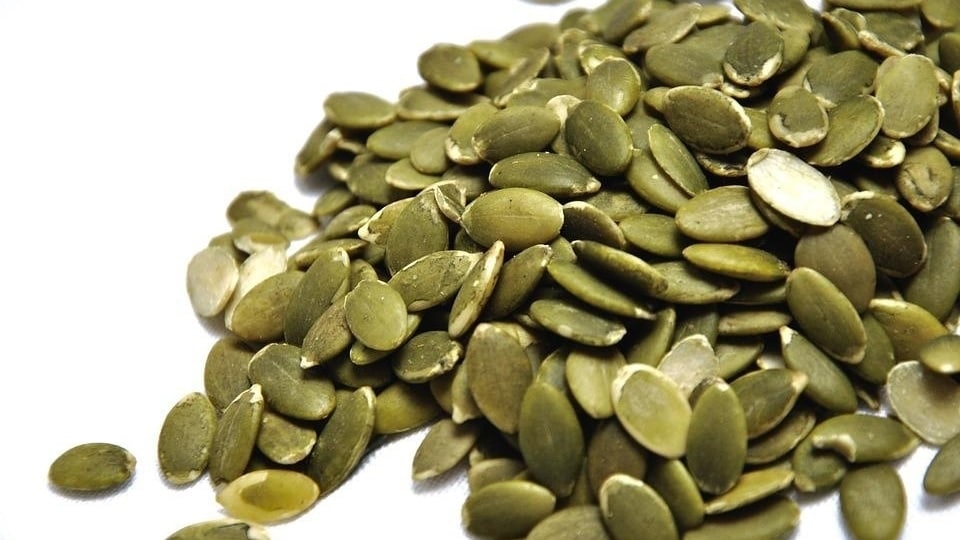

Why are pumpkin seeds so good to eat?
"Pumpkin seeds are rich in important nutrients, including healthy fats, fibre, antioxidants, and various vitamins and minerals", nutritionist Samreen Saniya tells Health Shots. According to the USDA, just 100 grams of pumpkin seeds can provide amounts of magnesium (592 mg) and potassium (809 mg), as well as over 40 grams of fat, most of which are heart-healthy fats.
What are the 6 benefits of eating pumpkin seeds?
Here are six reasons why pumpkin seeds are a great addition to our diets.
- Rich in antioxidants: Pumpkin seeds are rich in antioxidants like vitamin E and beta carotene. These compounds help reduce inflammation and protect cells from damage. This damage can lead to chronic diseases. "In just 100 grams of pumpkin seeds, you can find about 2.18 mg of vitamin E and 9 micrograms of beta carotene", says the nutritionist. This makes pumpkin seeds a great choice for your health.
- Heart health: Pumpkin seeds are high in magnesium and potassium, which can help control blood pressure. This is good for heart health because these minerals also make arteries less stiff and support better cardiovascular function.
- Sleep improver: Having trouble sleeping? A 2023 study in the International Journal of Nursing and Medical Research found that pumpkin seeds contain tryptophan. "This amino acid helps the body make serotonin, which can improve your sleep", says Saniya. Adding a sprinkle of pumpkin seeds to your evening snack might be the natural sleep aid you need.
- Immune system booster: Pumpkin seeds contain vitamin E and zinc, which can help strengthen your immune system. The nutritionist suggests “adding them to your diet, especially during flu season, as they may help reduce your risk of infection.”
- Digestive aid: If you want to improve your digestion, try pumpkin seeds. "They are a great source of fibre, with 100 grams providing about 6 grams", says the expert. Fibre helps keep your digestion healthy and can relieve constipation, especially when you drink enough fluids.
- Diabetic-friendly: If you have type 2 diabetes, adding pumpkin seeds to your diet may help. A study in the Journal of Agriculture and Food Research shows that pumpkin seeds can lower blood sugar levels. This control is important for people with diabetes.
Are raw pumpkin seeds more nutritious than roasted?
Should you eat raw pumpkin seeds or roasted ones? The choice usually depends on what you like and your health goals.
Raw pumpkin seeds
- Nutrient preservation: Raw pumpkin seeds are a healthier snack because they retain more vitamins, especially vitamin E, which can be lost during roasting. Choosing raw seeds means you get a cleaner snack without added oils, salts, or preservatives.
- Safety precautions: Raw pumpkin seeds can be healthy, but there is a warning. "If they are not processed or handled correctly, they may harbour bacteria such as Salmonella and E. coli", says the expert. To reduce this risk, make sure the seeds are fresh and store them in a cool, dry place.
Roasted pumpkin seeds
- Enhanced flavour and crunch: Roasted pumpkin seeds are a tasty snack with a rich, crunchy texture. Roasting enhances their taste, making them enjoyable on their own or as a topping for different dishes.
- Increased antioxidant activity: Research published in Frontiers in Nutrition in 2021 shows that roasting pumpkin seeds at different temperatures can increase their antioxidant properties. "This means roasted pumpkin seeds might offer more health benefits than raw seeds, specifically in terms of flavonoid content and antioxidant capacity", says the expert.
- Digestibility: For some people, eating raw foods can be hard because they contain parts that are tough to digest. Roasting these foods can help break them down, making it easier for the body to absorb nutrients.
What is the healthiest way to eat pumpkin seeds?
Most healthy people can enjoy both raw and roasted pumpkin seeds as part of a balanced diet. However, it's important to eat them in moderation. Pumpkin seeds are high in calories, so if you are watching your calorie intake, be careful with how much you eat. "A common recommendation is to have about a handful, or 28 grams, each day", says Saniya.
People with seed allergies should avoid seeds altogether, especially if they have had previous allergic reactions. "Also, if someone has digestive issues, they should start with a small amount to see how well they handle the fibre. Adding pumpkin seeds can be tasty," says Saniya. You can sprinkle them on salads, mix them into yoghurt or smoothie bowls, or roast them lightly with spices for a savoury snack.
(Note to readers: This article is for informational purposes only and not a substitute for professional medical advice. Always seek the advice of your doctor with any questions about a medical condition.)

Catch your daily dose of Fashion, Taylor Swift, Health, Festivals, Travel, Relationship, Recipe and all the other Latest Lifestyle News on Hindustan Times Website and APPs.


