
 E-Paper



Undergoing cancer treatment? Surgeon shares 10 tips to manage stress during this critical phase

 Prefer HTon Google


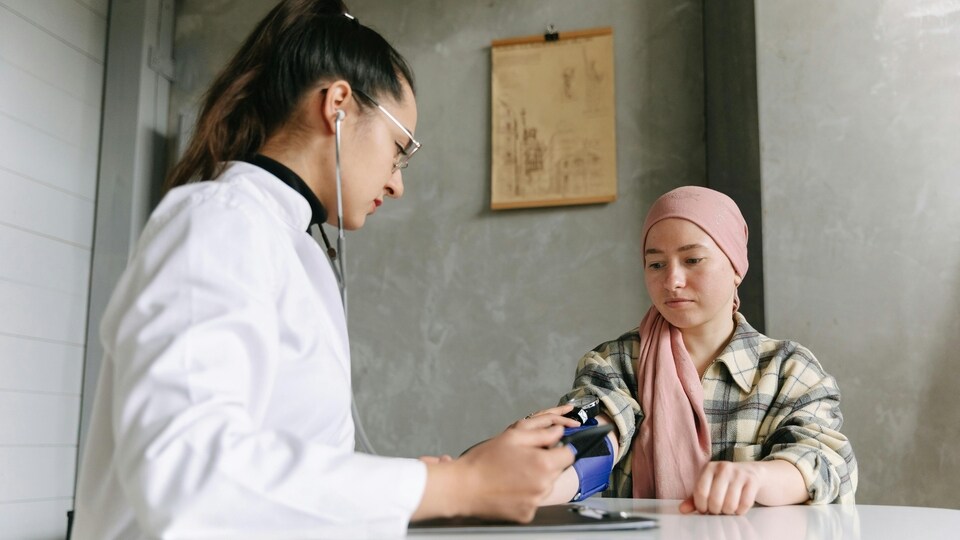
From expressing yourself to staying active, here are a few ways to manage stress during cancer diagnosis and treatment.
Surviving cancer is not just a physical battle, it’s a journey marked by emotional upheaval, uncertainty, and fear. Even after successful treatment, the psychological scars often linger, with many survivors carrying the fear of recurrence for years. Also read | AIIMS researchers say oral health is crucial in cancer care, improving survival rate: Study
In an interview with HT Lifestyle, Dr. Karishma Kirti, consultant breast specialist and oncoplastic surgeon, said, “Stress during this time is natural and valid. But unmanaged stress can interfere with recovery, decision-making, and overall wellbeing. Fortunately, there are several evidence-based tools that can help patients better manage stress and reclaim a sense of control in their journey.”
Dr Karishma Kirti shared a few tools by which you can manage stress during cancer diagnosis and treatment:
1. Express your emotions, in your own way
Whether through conversation, journaling, or quiet reflection, expressing your feelings can help you process them. You don’t have to be positive all the time, and you certainly don’t have to suppress sadness or frustration. Giving yourself permission to feel what you’re feeling is, in itself, a form of healing.
2. Don’t shoulder blame
Many patients ask if they did something wrong. The truth is, no one fully understands why one person gets cancer and another doesn’t. What’s most important now is how you care for yourself moving forward with kindness, not blame.
3. Take ownership over when (and whether) to talk
You’re in control of how, when, and with whom you discuss your diagnosis. If you're not ready to talk, that’s perfectly fine. If you are, gently guiding your loved ones on how to support you can make conversations more comfortable for everyone.
4. Practice mind–body techniques
Relaxation methods such as guided imagery, deep breathing, progressive muscle relaxation, or mindfulness meditation can reduce anxiety and improve sleep. Even a short daily practice can help calm the body’s stress response and center the mind. Also read | Do your nail polishes and extensions have cancer-causing chemicals? Know risks, safer alternatives, precautions

5. Stay as active as you can
Physical movement, even gentle stretching or a short walk can help reduce fatigue, boost mood, and provide a healthy distraction. Activities like yoga and tai chi combine movement with mindfulness and are often well-suited for recovery.
6. Reconnect with activities that bring you joy
Hobbies can offer a mental break from illness. Whether it’s reading, music, photography, painting, or crafts, engaging in something creative or calming helps shift focus and lifts the spirit.
7. Manage side effects proactively
Physical symptoms such as fatigue, pain, or nausea can impact emotional health. Addressing them early with your medical team can significantly reduce distress. When your body feels better, your mind often follows.
8. Build a routine and sense of control
Creating a simple daily routine, making lifestyle adjustments, and being active in medical decisions can restore a sense of order during an otherwise uncertain time. Focus on what you can influence, whether it’s your appointments, your meals, or your mindset.
9. Consider complementary therapies
Complementary approaches like acupuncture, gentle massage, aromatherapy, and music or art therapy can help reduce stress, ease treatment side effects, and enhance emotional wellbeing. When used alongside medical care, and with your doctor’s guidance, these therapies offer safe, supportive relief for many patients. Also read | Nutrition and lifestyle tips for cancer prevention: Simple daily habits and diet plan that can cut your risk
10. Seek support, professionally and personally
Psycho-oncologists, mental health professionals trained in cancer care, are a valuable part of comprehensive treatment. Support groups and counsellors can offer space to speak freely, share strategies, and feel less alone.
Note to readers: This article is for informational purposes only and not a substitute for professional medical advice. Always seek the advice of your doctor with any questions about a medical condition.


Catch your daily dose of Fashion, Taylor Swift, Health, Festivals, Travel, Relationship, Recipe and all the other Latest Lifestyle News on Hindustan Times Website and APPs.


