
 E-Paper



Want sharper memory? Neurologist reveals the best foods for brain health and cognitive function

 Prefer HTon Google



A neurologist's guide to eating for brain health. Here are the foods that support memory, focus and cognition.
Eat what you are: The saying goes true with regard to brain health. There is no single food that will prevent memory loss or dementia, but scientific evidence indicates that a better balanced diet with high levels of nutrients can positively impact cognitive function, concentration and brain health with age. Healthy eating is one of the most beneficial things you can do to support your brain in the long term, in addition to getting quality sleep, reducing stress, and managing medical conditions such as diabetes and hypertension. Dr Daanish Chhapra, Consultant Neurologist at Holy Family Hospital, Mumbai, shared the best foods to nourish your brain and boost cognitive health.
Also read | Neurosurgeon shares 7 science-backed habits to support brain health and cognitive ageing
Omega-3 fatty acids
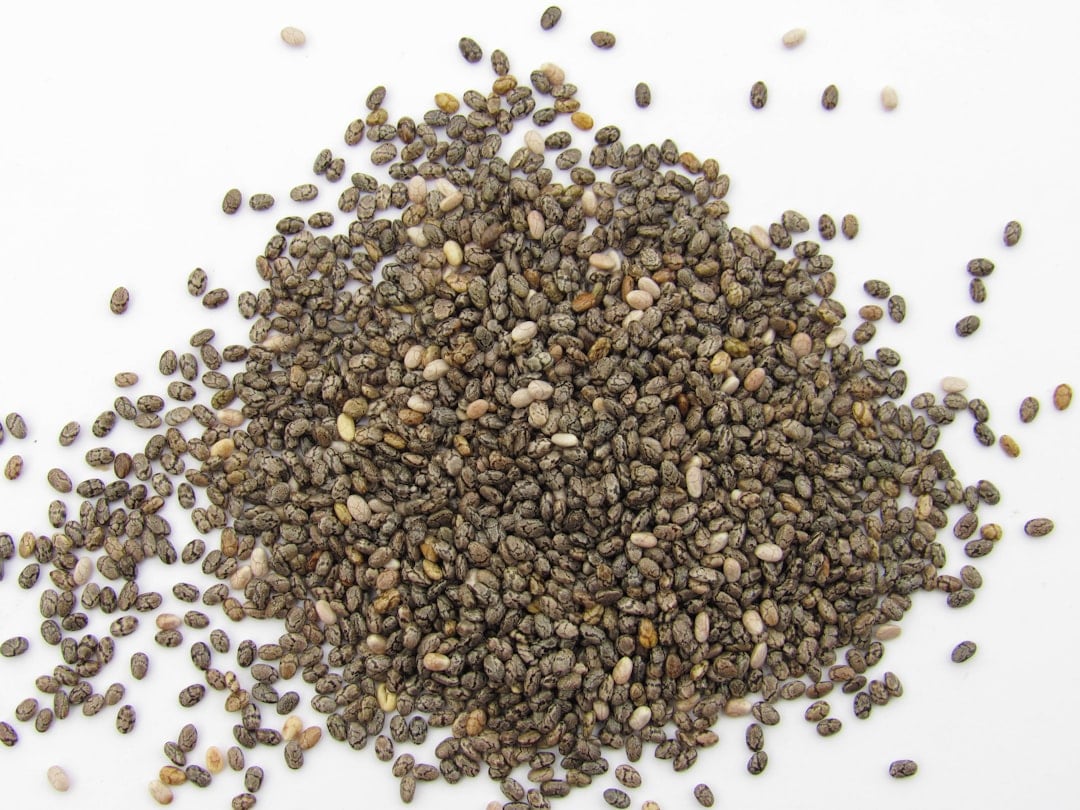
Dr Daanish highlighted that Omega-3 fatty acids are one of the most crucial nutrients for good brain health, and they can be obtained from fatty fish like salmon, sardines, and mackerel. Omega-3s are a vital part of brain cell membranes and have an important function in the learning, memory process and communication between nerve cells. Vegetarians can get sufficient omega-3 fatty acids from flaxseeds, chia seeds and walnuts.
Leafy greens
Folate, vitamin K, lutein and antioxidants are abundant in leafy green vegetables such as spinach, kale and fenugreek leaves. “These nutrients can lower oxidative stress, inflammation, and thus, age-related cognitive decline,” said Dr Daanish. The diverse range of colourful vegetables in the diet also provides a good supply of vitamins and minerals for healthy brain function.
Flavonoids
“The flavonoids in berries, especially blueberries and strawberries, have been shown to have beneficial effects on memory and cognitive ageing,” highlighted Dr Daanish. Likewise, nuts and seeds contain vitamin E, healthy fats, magnesium and zinc, which are important for maintaining the normal function of nerves and protecting brain cells from damage.
Glucose
Whole grains, legumes, fruits and vegetables are a slow-burning fuel source for the brain, known as glucose. These foods provide energy over a prolonged period of time, which can help maintain focus and a stable mood during the day, unlike refined carbohydrates. It is also crucial to drink plenty of water; even mild dehydration can impact attention, memory and mental performance.

Foods to avoid
According to Dr Daanish, too much ultra-processed foods, sugary drinks, excessive alcohol and trans fat-rich foods can lead to chronic inflammation and affect cognitive function.
Dr Daanish advises prioritising a healthy eating pattern like the Mediterranean diet or the MIND diet, which includes plenty of fruits and vegetables, whole grains, legumes, nuts, olive oil, fish and lean protein. Good eating habits over a number of years are better than occasional healthy eating. Foods provide a daily way to support brain health and can be a simple way to make a significant investment in cognitive health throughout life.
Note to readers: This article is for informational purposes only and not a substitute for professional medical advice. Always seek the advice of your doctor with any questions about a medical condition.


Catch your daily dose of Fashion, Taylor Swift, Health, Festivals, Travel, Relationship, Recipe and all the other Latest Lifestyle News on Hindustan Times Website and APPs.


