
 E-Paper



What is sustainable diet? Doctor shares 8 practical tips to stay healthy: Seasonal veggies, smart eating order and more

 Prefer HTon Google



A sustainable diet is not restrictive, and instead supports long-term health by being realistic. Know how you can follow a sustainable diet.
There are a lot of diets trending lately that people are very quick to adopt. But one of the concerns with these quick-fix diets is the lack of longevity. Many get tired or give up midway because it feels too confining. Commonly, fad diets are too ambitious, cutting a number of different food groups, but the real solution lies in balance, moderation, and mindful choices that can be sustained in the long run. The way forward is adopting a diet which is enduring and, most importantly, realistic.
Dr Aparna Santhanam, dermatologist and holistic wellness coach, told HT Lifestyle that a sustainable diet helps to keep up with dieting for years as it's not restrictive.
She explained, “A sustainable diet is not a short-lived food plan but a way of eating that you can enjoy and maintain for years. It focuses on balance, variety, and moderation, rather than rigid restrictions. The beauty of sustainable eating is that it not only protects long-term health but also makes daily meals more enjoyable, practical, and kind to the planet.”
Further, she highlighted how in the Indian food culture, where food is respected, sustainable eating is viewed as a way of building a natural habit to nourish the body.
Dr Santhanam shared 8 tips, demonstrating how to follow a sustainable diet:
1. Prioritise non-processed foods
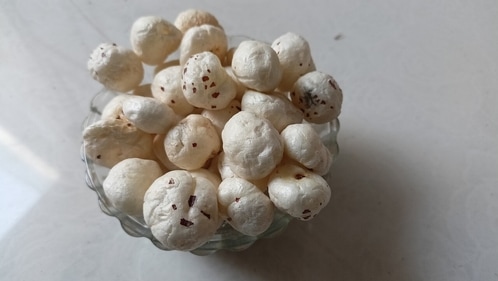
- Prioritise whole, minimally processed foods in the form of fresh fruits, vegetables, dals, and whole grains keep you fuller for longer.
- For example, roasted chana or Makhana makes a far better snack swap nutritionally and sustainability-wise wise than a bag of store-bought potato chips.
2. Ensure smart eating order

- Start meals with fibre-rich foods like salads or sautéed vegetables, then move to protein (dal, paneer, fish, eggs), and finish with carbs, which are largely grain-based in the Indian context.
- This helps control sugar spikes, improves satiety, and keeps energy levels steady.
3. Adopt portion control

- Instead of cutting out favourite foods, enjoy them in smaller servings. Sharing a dessert at dinner is both healthier and more satisfying.
- At home, use smaller plates and bowls that visually cue abundance.
4. Add more proteins
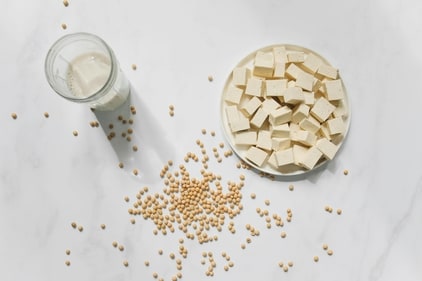
• Add more plant-based proteins.
- Mix in dals, sprouts, beans, and tofu regularly. This balances nutrition while reducing dependence on heavy meats.
5. Eat local and seasonal produce
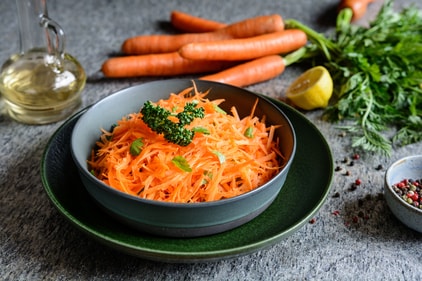
- Choose what’s naturally available, like mangoes in summer and carrots in winter, for freshness, better taste, and higher nutrition.
- It is vital to stay attuned to nature’s seasonal rhythms.
6. Reduce food waste creatively
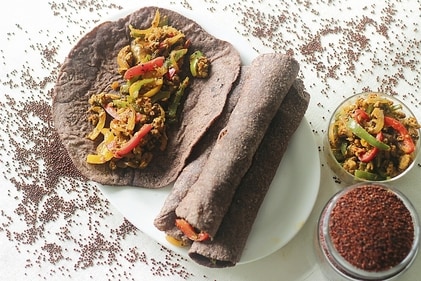
- Yesterday’s dal can become dal paratha, or extra sabzi can be rolled into a whole-wheat wrap, and leftover rice can be made into cutlets with vegetables.
- It’s fun and nourishing.
7. Stay hydrated wisely

- Replace sugary sodas with plain water.
- The other option is light herbal teas for long-term metabolic health.
8. Make your plates balanced
- An ideal Indian meal could look like this: start with a bowl of kachumber salad (fibre), followed by a serving of dal (plant protein and fibre), one dry sabzi like beans or bhindi (fibre + micronutrients), and a small portion of brown rice or jowar roti (complex carbs with additional fibre).
- This mix ensures satiety, steady energy release, and a full spectrum of nutrients.
Note to readers: This article is for informational purposes only and not a substitute for professional medical advice. Always seek the advice of your doctor with any questions about a medical condition.


Catch your daily dose of Fashion, Taylor Swift, Health, Festivals, Travel, Relationship, Recipe and all the other Latest Lifestyle News on Hindustan Times Website and APPs.


