
 E-Paper



WHO says breast cancer killed 6.9 lakh in 2024 and 80% had no risk factors: Screening, self-exams and knowing your normal can help catch it early

 Prefer HTon Google


Dr Nair said breast cancer can happen at any age – while most breast changes are not cancerous, it is important to notice any change and get it checked quickly.
That new lump you felt? That nipple discharge you just noticed? It’s easy to panic — or to brush these off. But a breast surgeon says knowing what is normal for your body is the most powerful tool you have. Also read | Breast pain before periods: Oncologist explains if tenderness is normal and shares 7 warning signs
Breast cancer remains a global crisis. According to the World Health Organisation (WHO), breast cancer caused an estimated 694,000 deaths globally in 2024 and was the ‘most common cancer in women in 164 countries out of 186’ in the same year. Approximately 80 percent of breast cancers occur in women with no specific risk factors other than sex and age, per WHO.
In India, the problem is often late detection
Dr Nita Nair, consultant, breast oncosurgery, PD Hinduja Hospital and Medical Research Centre, Mumbai, said in an interview with HT Lifestyle, “Breast cancer is the most common cancer among women and, if detected early, is curable. Unfortunately, in India, over 40 percent of women are diagnosed at advanced stages. Early detection helps save lives. Screening helps us detect cancer early.”
How screening actually works
Dr Nair shared that screening for breast cancer is offered by:
⦿ Mammogram done once every two years between the ages of 40-74
⦿ Clinical breast examination once a year after the age of 50
⦿ Self-breast examination done monthly
Of these, self-examination was something every woman can do right now. “Self-breast examination is a tool that gives women power in their own hands to help detect cancer early. But for that, women must understand what is normal for them. Every woman’s breasts are unique, and they naturally change with age, hormonal fluctuations, menstruation, pregnancy and menopause. Knowing what is normal for your breasts helps you recognise what is different,” Dr Nair said.
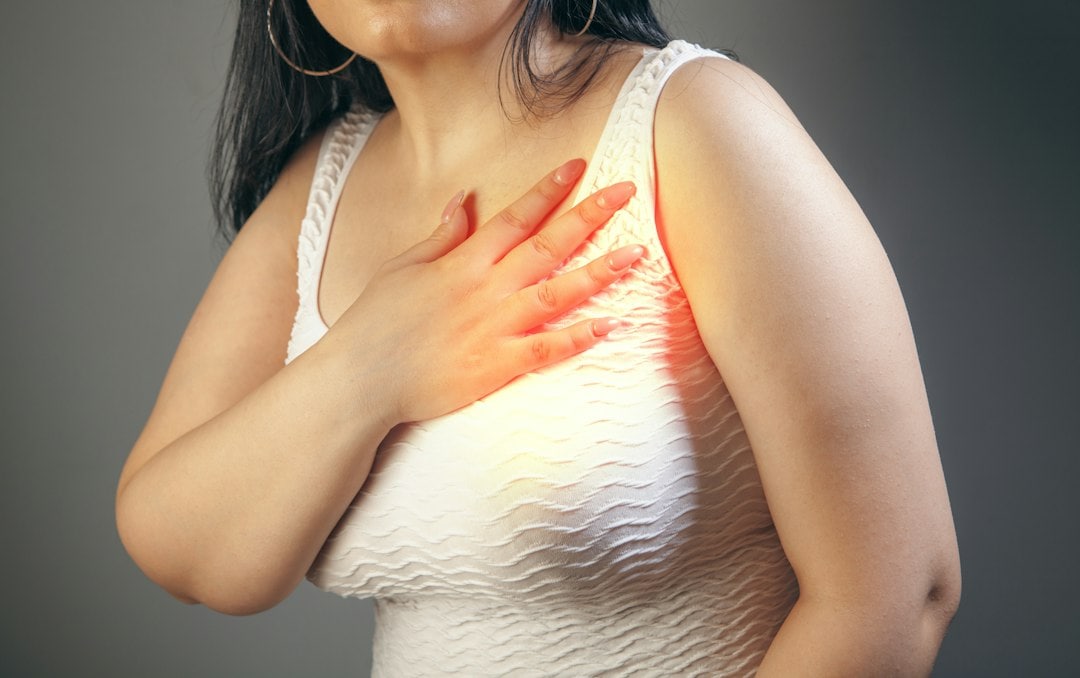
What is normal, and what is not
Your breasts are not supposed to look or feel the same throughout your life. Dr Nair explained the natural timeline: “During puberty, the breast bud starts to develop, often with one breast growing before the other. Gradually, they increase in size, and the areola becomes prominent; asymmetry during development can be normal."
She added, "Then, when a woman gets pregnant, she will find significant changes in the breasts, such as them becoming fuller and more sensitive. These changes can start as early as the first trimester. Finally, during menopause, as estrogen hormone levels fall, the gland reduces, and the remaining breast is composed of fat, which feels softer and less firm or smaller in size.”
According to Dr Nair, common concerns to look out for during different stages of development include:
⦿ Significant asymmetry that persists after puberty, which can indicate a lump
⦿ Redness, warmth, and tenderness during breastfeeding, which can indicate an abscess/infection
⦿ Sudden onset painful lump during peri menopause which can indicate cysts
But she stressed: new lumps, nipple changes or skin dimpling are not normal and need assessment at any age.
Notice what is new — and act fast
Dr Nair said you should get assessed immediately if you notice:
⦿ New lump,
⦿ Nipple retraction or discharge
⦿ Skin changes like thickening, pulling in, dimpling or redness
⦿ Or persistent focal change
“Breast cancer can occur at any age. Most breast changes are benign, but recognising a change and getting it assessed promptly matters,” Dr Nair said.
Note to readers: This article is for informational purposes only and is not a substitute for professional medical advice. Always seek the advice of your doctor with any questions about a medical condition.


Catch your daily dose of Fashion, Taylor Swift, Health, Festivals, Travel, Relationship, Recipe and all the other Latest Lifestyle News on Hindustan Times Website and APPs.


