
 E-Paper



World Ovarian Cancer Day: UN advisor highlights India's ovarian cancer crisis; how early detection systems are lacking

 Prefer HTon Google


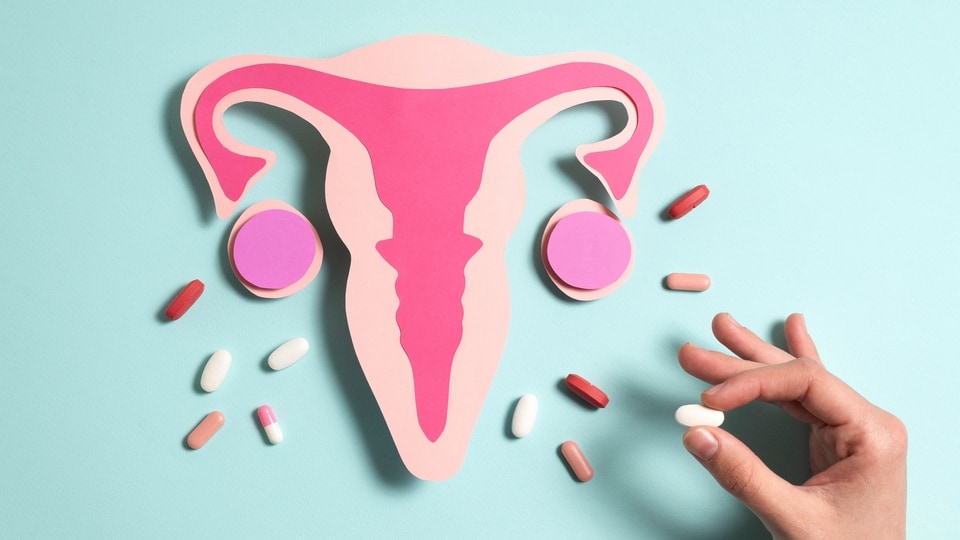
Ovarian cancer in India is often diagnosed too late. On World Ovarian Cancer Day, Dr Kapasi highlights the need for better awareness, healthcare infrastructure.
Ovarian cancer occurs when abnormal cells in the ovary, fallopian tube or peritoneum grow and divide in an uncontrolled way, forming a tumour. This cancer is sometimes difficult to detect because symptoms often don’t develop until later stages. Moreover, it can develop and spread throughout your abdomen before it causes any symptoms, making it a deadly disease.
On World Ovarian Cancer Day, to understand the risks of ovarian cancer better and how India is still behind in providing for women suffering from the disease, HT Lifestyle got in touch with Dr Sabine Kapasi, a gynaecologist, CEO at Enira Consulting, Founder of ROPAN Healthcare Pvt Ltd, and UN advisor.
According to Dr Kapasi, ovarian cancer ranks as the third most common gynaecological cancer in India. However, she notes that rank means little when most women are diagnosed only after the disease has already spread. “The healthcare system has known this for years and has not built the pathways to change it,” she added.
A cancer without clear warning signs
The gynaecologist notes that ovarian cancer does not behave like most cancers people are taught to fear. Rather, it produces no lump, no visible change, no pain that stops a woman in her tracks. She adds, “Bloating, pelvic heaviness, early fullness during meals, a quiet shift in bowel or bladder patterns: Women tolerate these symptoms for months. General physicians rarely connect them to cancer without a specific trigger to investigate further.”
So, by the time imaging confirms a tumour, most women in India are already at stage III or IV. “Five-year survival at that point drops below 30 percent,” Dr Kapasi notes.
Where research has shifted
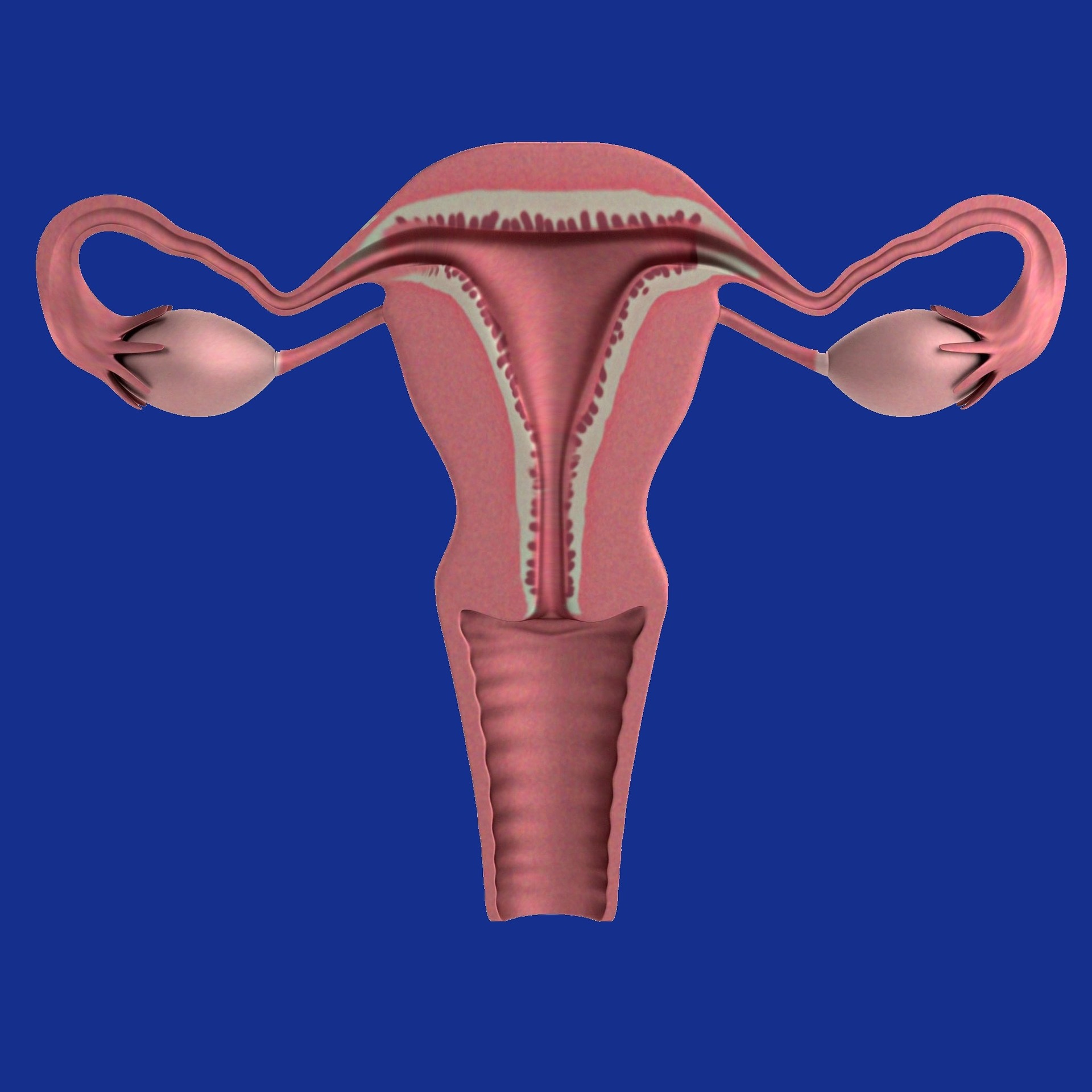
According to Dr Kapasi, research in ovarian cancer has shifted the map entirely. She highlights that many ovarian cancers originate in the fallopian tubes, not the ovaries, adding: “In 2026, intra-tubal imaging is being pursued as a detection frontier that could change when this disease gets caught. Surbhi Sarna, an Indian-origin founder, built a USD 275 million company around this, tools focused on catching the disease before it leaves the tubes, when surgical and treatment outcomes are significantly better.”
Tests available and where the system falls short
Talking about the tests available, Dr Kapasi notes that CA-125 blood tests and transvaginal ultrasounds remain standard entry points. However, she notes that neither is reliable enough for population-wide screening.

She adds, “BRCA1 and BRCA2 genetic testing is critical for high-risk women, yet genetic counselling infrastructure across India remains severely underfunded and largely inaccessible outside metro hospitals.”
As the world celebrates World Ovarian Cancer Day on May 8, with this year's theme being ‘No Woman Left Behind,’ Dr Kapasi stresses that we must move beyond awareness into action.
She elaborates, “A health system response is both possible and overdue. Symptom literacy needs to be embedded into primary care protocols so early warning signs are not dismissed. Reimbursement pathways for genetic testing must be expanded to ensure that high-risk women are identified and supported in a timely manner. Emerging detection technologies from research pipelines require sustained public funding and structured pathways for adoption into clinical practice.”
Dr Kapasi notes that India does not start from zero, adding that the tools, knowledge, and clinical capabilities already exist, but they remain fragmented. “What is needed now is coordinated policy design that connects these pieces, aligns incentives, and prioritises early detection as a public health objective,” she adds.
Note to readers: This article is for informational purposes only and not a substitute for professional medical advice. Always seek the advice of your doctor with any questions about a medical condition.
This report is based on user-generated content from social media. HT.com has not independently verified the claims and does not endorse them.


Catch your daily dose of Fashion, Taylor Swift, Health, Festivals, Travel, Relationship, Recipe and all the other Latest Lifestyle News on Hindustan Times Website and APPs.


