
 E-Paper



Is your dog losing interest in exercise? Watch out for these signs and symptoms of hypothyroidism

 Prefer HTon Google


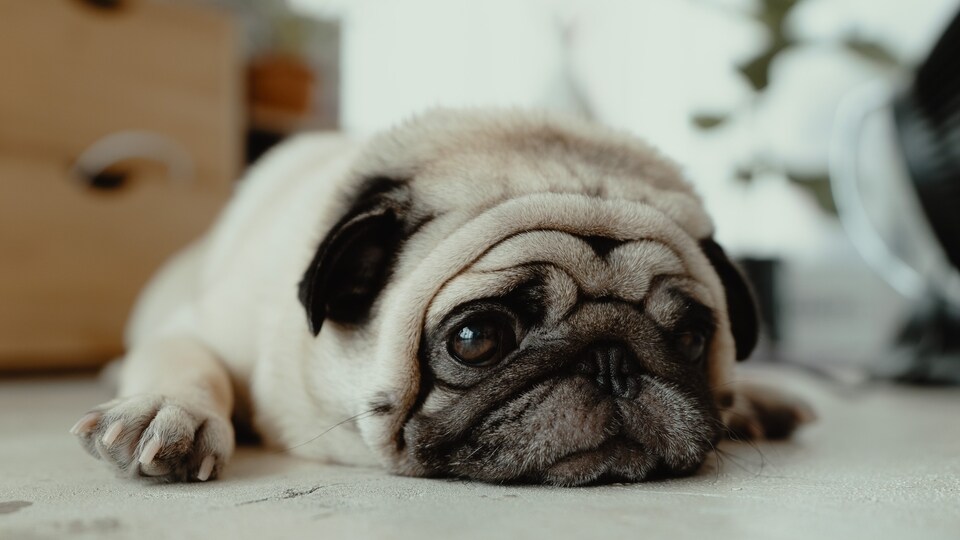
Check out some important signs and symptoms of hypothyroidism in dogs, enabling you to help your four-legged family member regain their pep and vitality.
As pet owners, we often marvel at our dogs' boundless energy and unrelenting enthusiasm. However, if your active dog loses interest in exercise as he gets older, it may not be age-related. It could be a thyroid problem. This condition is called hypothyroidism. In dogs, hypothyroidism is a common condition. Similar to thyroid disease in humans, this condition affects dogs by causing the thyroid gland to produce insufficient thyroid hormone, which can lead to a variety of medical and behavioural abnormalities. Dogs with hypothyroidism must be diagnosed and treated as soon as possible to protect their health and well-being.
Dr. Lisa Lippman, Veterinarian and Director of Virtual Medicine at Bond Vet Clinic shared in her recent Instagram post key indicators and symptoms that pet owners should be aware of to better understand and address this condition in their furry friends. (Also read: How to stop your dog from pulling on lead; pet behaviourist shares easy tips )
Signs of hypothyroidism in dogs
1. Lethargy, dullness, decreased activity level
One of the most common signs of hypothyroidism in dogs is a lack of energy or decreased activity level. Your dog may seem less interested in going for walks or playing and may seem more lethargic or "down" than usual.
2. Weight gain
Hypothyroidism can slow down your dog's metabolism, which can lead to weight gain even if they're eating the same amount of food as usual. If your dog is putting on weight and you can't figure out why, hypothyroidism could be a possible explanation.
3. Cold intolerance
Dogs with hypothyroidism may be more sensitive to cold temperatures than usual. They may seek out warm places to rest or may start shivering in temperatures that wouldn't bother them normally.
4. Dermatological signs
Hypothyroidism can also cause a range of skin and coat problems in dogs. These can include abnormal hair loss not associated with itching (most commonly along the trunk, base of tail, chest, bridge of nose), poor coat quality (dry, brittle, dull), darkening of the skin, recurrent skin and ear infections, slow hair regrowth after clipping, and more.
5. Gastrointestinal problems
While less common, hypothyroidism can also cause digestive problems in dogs. These may include vomiting, diarrhoea, constipation, or regurgitation.
6. Nervous system issues
In rare cases, hypothyroidism can affect a dog's nervous system. This can lead to weakness, disorientation, seizures, or even coma.
7. Heart problem
Hypothyroidism can also cause changes in your dog's heart rate and rhythm. Your veterinarian may notice a low heart rate or abnormal rhythms during a physical exam.
8. Eye problem
In some cases, dogs with hypothyroidism may develop lipid deposits on the cornea. This can cause cloudiness or a whitish appearance in the eye.


