
 E-Paper



Planning Onam feast? Chef shares 4 classic vegetarian Sadya recipes for you to try

 Prefer HTon Google


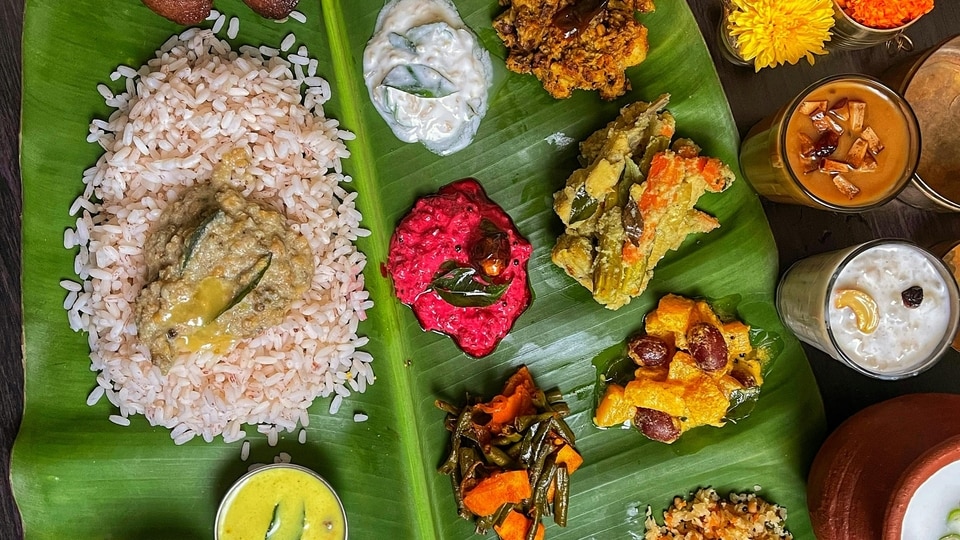
Savour Kerala's culinary flavours by making the traditional vegetarian Sadya home as a part of your festivities.
At the heart of Onam festivities is the traditional Sadya, an elaborate spread that showcases Kerala's rich and diverse vegetarian cuisine. On the weekend, prepare a festive feast at home with these four classic recipes.
Chef Ravish Mishra of The Leela Palace Chennai shared classic vegetarian Sadya favourites that showcase the distinctive flavours of Kerala.
We first asked the chef which ingredients and flavours define a traditional Onam Sadya. He said, "Onam is celebrated through the abundance and diversity of Kerala's vegetarian Sadya. From the familiar comfort of Avial and Olan to the richly spiced Sambar and the distinctly regional Chakka Pradhaman, these dishes reflect Kerala's deep connection with coconut, seasonal produce, lentils, jaggery and traditional cooking techniques. Together, they offer a festive taste of Kerala that is both rooted in tradition and accessible to the contemporary home cook.”
Many of the ingredients are deeply rooted in Kerala's cuisine. The recipes use coconut, seasonal vegetables, lentils, and jaggery, allowing the spread to move from subtle and comforting flavours to spicy and indulgently sweet notes.
Chef Ravish then recommended four classic Sadya preparations. Avial has assorted vegetables with coconut and curd; olan provides mild flavours with the addition of coconut milk. Kerala-style sambar adds a tangy zing to the meal and chakka pradhaman ends the feast on a sweet note.
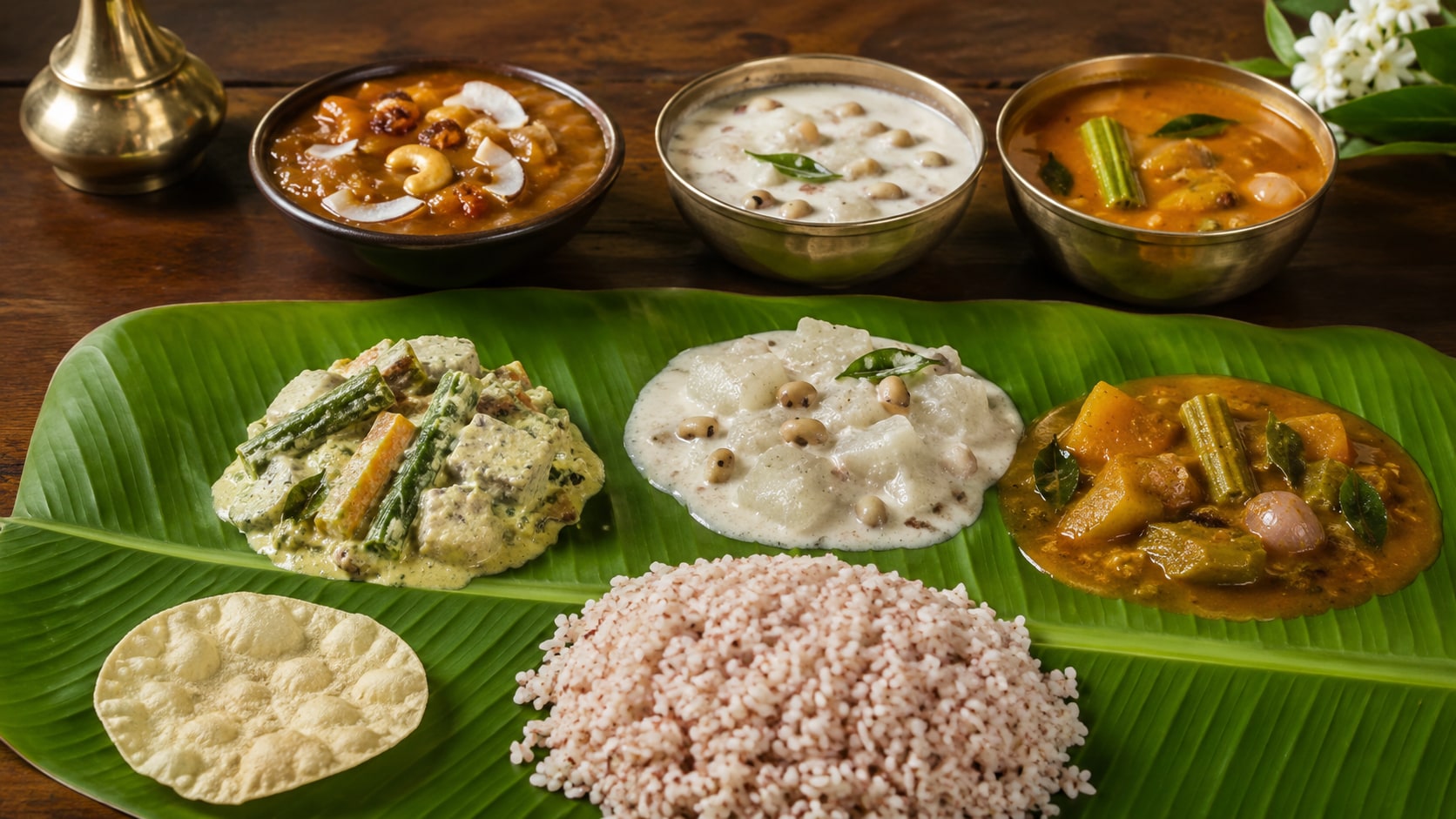
Here are the chef's recipes:
1. Avial Category: Classic Onam / Sadya
4–5 portions.
Ingredients
- Raw banana – 150 g, peeled and cut into 2-inch batons
- Ash gourd – 150 g, cut into 2-inch batons
- Carrot – 100 g, cut into 2-inch batons
- Drumstick – 100 g, cut into 2-inch pieces
- Yam – 100 g, peeled and cut into 2-inch batons
- French beans – 100 g, cut into 2-inch pieces
- Fresh coconut – 120 g, grated
- Green chillies – 3–4, slit
- Cumin seeds – 1 tsp
- Turmeric powder – ½ tsp
- Thick curd – 180 g, whisked
- Coconut oil – 25 ml
- Curry leaves – 2 sprigs
- Salt – To taste
- Water – 150–200 ml, as required
Method
- Grind the grated coconut, green chillies, and cumin seeds with a little water to make a coarse, thick paste.
- Place yam, raw banana, and drumstick in a heavy-bottomed pan. Add turmeric, salt, and about 100 ml of water. Cover and cook until partly tender.
- Add ash gourd, carrot, and beans. Continue cooking gently until the vegetables are tender but still retain their shape.
- Fold in the coconut paste and simmer for 2–3 minutes. The consistency should remain thick rather than watery.
- Reduce the heat and gently fold in the whisked curd. Do not boil after adding the curd.
- Finish with curry leaves and coconut oil. Rest for 5 minutes before serving.
Chef's note:
- A good avial should showcase the vegetables rather than turn them into a purée.
- Finishing with coconut oil gives it its characteristic Kerala aroma.
2. Olan – Ash gourd, red cowpea and coconut milk category
Serves: 4–5 portions
Ingredients
- Ash gourd – 500 g, peeled and cubed
- Red cowpeas/vanpayar – 100 g, soaked for 4–6 hours
- Green chillies – 3, slit lengthwise
- Thin coconut milk – 400 ml
- Thick coconut milk – 200 ml
- Curry leaves – 2 sprigs
- Coconut oil – 25 ml
- Salt – To taste
- Water – As required
Method
- Cook the soaked cowpeas until tender but intact. Drain and keep aside.
- Cook the ash gourd with green chillies, salt, and a little water until just tender.
- Add the cooked cowpeas and thin coconut milk. Simmer gently for 4–5 minutes.
- Add the thick coconut milk and warm over very low heat. Do not allow the curry to boil vigorously.
- Finish with curry leaves and coconut oil. Rest briefly before serving.
Chef's note:
- Olan is deliberately subtle and does not rely on heavy spice tempering.
- Its character comes from ash gourd, cowpeas, coconut milk and fragrant coconut oil
3. Kerala-Style Sambar
Ingredients
- Toor dal – 180 g, washed
- Tamarind – 25 g, soaked in 100 ml warm water
- Drumstick – 100 g, cut into 2-inch pieces
- Ash gourd – 100 g, cubed
- Carrot – 100 g, cubed
- Pumpkin – 100 g, cubed
- Shallots – 100 g, peeled
- Tomato – 100 g, chopped
- Green chillies – 2, slit
- Turmeric powder – ½ tsp
- Kerala-style sambar powder – 25 g
- Fresh coconut – 60 g, grated
- Cumin seeds – 1 tsp
- Coconut oil – 25 ml
- Mustard seeds – 1 tsp
- Dry red chillies – 2, broken
- Curry leaves – 2 sprigs
- Asafoetida – ¼ tsp
- Salt – To taste
- Water – 800–1,000 ml, as required
Method
- Pressure-cook the washed toor dal with turmeric and about 500 ml of water until completely soft. Whisk lightly and keep aside.
- Dry-roast the grated coconut and cumin seeds over low heat until lightly golden and aromatic. Grind to a smooth paste with a little water.
- In a large pot, combine drumstick, ash gourd, carrot, pumpkin, shallots, tomato, and green chilli with about 300 ml of water and salt. Cook until the vegetables are tender but not mushy.
- Add the cooked dal and sambar powder. Simmer gently for 5–7 minutes so the spices infuse into the dal and vegetables.
- Extract the soaked tamarind and add the strained pulp. Simmer for another 4–5 minutes, adjusting the water to achieve a pourable but slightly thick consistency.
- Add the roasted coconut-cumin paste and simmer for 2 minutes.
- For tempering, heat coconut oil. Add mustard seeds and allow them to crackle. Add dry red chillies, curry leaves and asafoetida.
- Pour the tempering over the sambar, mix gently, and rest for 5–10 minutes before serving.
Chef's note:
- For a Sadya-style sambar, the balance of tamarind, dal, vegetables, and roasted coconut is important.
- The sambar should be aromatic and slightly thick, allowing it to coat rice without becoming heavy.
4. Chakka pradhaman
Ingredients
- Ripe jackfruit flesh – 400 g, deseeded and finely chopped
- Jaggery – 250 g, grated
- Thin coconut milk – 500 ml
- Thick coconut milk – 250 ml
- Fresh coconut – 50 g, thinly sliced
- Cardamom powder – ½ tsp
- Dry ginger powder – ¼ tsp
- Coconut oil – 15 ml
- Cashews – 30 g
- Raisins – 25 g
- Salt – A small pinch
- Water – 100–150 ml, as required
Method
- Cook the chopped jackfruit with about 100 ml water until very soft. Mash or blend lightly, retaining some texture.
- Melt the jaggery with a little water and strain through a fine sieve to remove impurities.
- Combine the jackfruit pulp and jaggery syrup in a heavy-bottomed pan. Cook over low heat for 8–10 minutes, stirring regularly.
- Add the thin coconut milk and simmer until the mixture becomes glossy and moderately thick.
- Add cardamom powder, dry ginger powder and a small pinch of salt.
- Lower the heat and add the thick coconut milk. Warm gently without boiling.
- Heat the coconut oil in a small pan. Fry the coconut slices, cashews, and raisins until aromatic and lightly golden.
- Add the tempering to the pradhaman. Rest for 10 minutes and serve warm or at room temperature.
Chef's note:
- Chakka pradhaman highlights one of Kerala's most distinctive ingredients.
- Ripe jackfruit, dark jaggery and coconut milk create a deeply regional Onam dessert.


Catch your daily dose of Fashion, Taylor Swift, Health, Festivals, Travel, Relationship, Recipe and all the other Latest Lifestyle News on Hindustan Times Website and APPs.


