
 E-Paper



Yoga Day 2025: Shavasana to baddha konasana, 8 best asanas for PCOS

 Prefer HTon Google


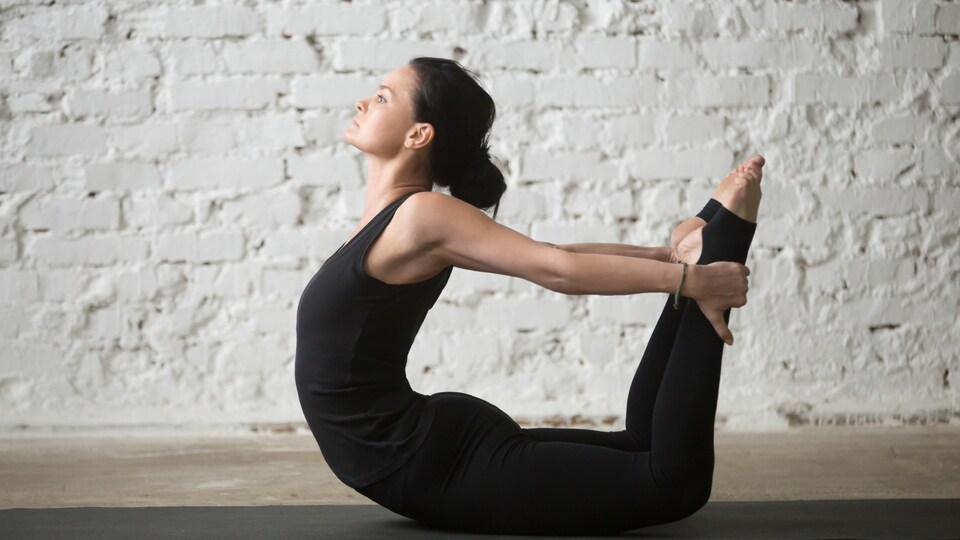
International Day Of Yoga 2025: Yoga can be a powerful tool in managing PCOS symptoms. Here are some of the best yoga asanas for PCOS, and their benefits.
Yoga Day 2025: Polycystic ovary syndrome (PCOS) – a chronic hormonal condition that can result in irregular periods, severe pain and even weight gain – affects up to 6–13 percent women of reproductive age and up to 70 percent of affected women remain undiagnosed worldwide, according to World Health Organization. But did you know yoga may be able to help manage PCOS symptoms? Also read | Gynaecologist explains how your menstrual health can reveal early signs of PCOS: 'Heavy bleeding isn't always normal'
How yoga may benefit you if you have PCOS
In an interview with HT Lifestyle, Samiksha Shetty, founder of Rising Loka, said that instead of silently suffering from PCOS, women should be encouraged to make lifestyle changes that could support their health. “A consistent workout routine which includes yoga asanas, pranayama and meditation, helps balance women's hormones, insulin resistance and blood sugar levels,” she said.
Samiksha added, “Now, you might say any workout can do that. But yoga works on a cellular level as well. Yoga goes way beyond its physical benefits—it helps reduce stress and cortisol levels, which is very important for hormonal health. Yoga can help relieve anxiety, balance hormones, improve menstrual cycles, and rev up your body's metabolism. Also, relaxation is the key to fighting PCOS.”
She suggested that a daily calming yoga practice with a focus on stress reduction is a good place to start. However, it is important to understand our body's ability to practice certain asana/yoga flows, she said, and added: “Not all yoga practices are stress-reducing. Some vigorous practices may stress the body and add to the load on the adrenal glands.”
Samiksha added that a regular yoga practice makes us more aware and helps us focus on our breathing patterns. “Breathing is something so natural to us that we often take it for granted. The three pranayama practices that are beneficial for PCOS are alternate nostril breathing (a subtle energy clearing technique), bhramari pranayama (a humming bee breathing technique), and kapalbhathi pranayama (a breath of fire).”
Are there any specific yoga poses that may help with PCOS? Here's what Samiksha suggested:
1. Vyaghra shwasa (tiger breathing)
She said, “You probably know it better as the cat-cow stretch. Done with steady, deep breaths, it eases tightness in your spine, back, and neck, adds movement to those areas, and leaves the whole body feeling calmer.”
2. Malasana (garland pose) aka wide squat pose
“At first glance, this sturdy squat looks easy, yet the comforts of modern life have made it surprisingly tough for many of us. If your heels stubbornly lift, slide a rolled towel, mat or block under them and keep breathing,” she added.
3. Parivrtta trikonasana stretch (revolved triangle breathing)
According to Samiksha, gentle twists like this one 'massage the waist, tone the belly and give the reproductive organs a nice boost'.
4. Baddha konasana (bound angle or butterfly pose)
Samiksha said, “Also called 'the butterfly', this seated pose is cherished by women dealing with PCOS and eases cramps and backache during periods and pregnancy. Beyond that it loosens stiff ankles, knees and hips, opens the joint, and finally sparks a much-needed emotional release.”
5. Dhanurasana (bow pose)
“Bow pose sends a gentle wave of fresh blood to your head and pelvis, easing tightness in the tummy while providing a mild internal massage. When done regularly, it builds endurance in the reproductive organs and offers relief from stubborn indigestion and constipation alike,” she added.
6. Setu Bandhasana (bridge pose)
According to Samiksha, “Bridge pose works wonders for achy lower backs, sciatica, and general stiffness in ankles, hips, backs, thighs, and shoulder blades. It also supports reproductive health, broadens lung capacity, and can soothe discomfort during menstruation or throughout pregnancy while firming up the muscles along your spine.”
7. Balasana (pose of the child)
She added, “The child's pose, which encourages relaxation by soothing the central nervous system, is one of the most vital yoga poses for PCOs. In addition, it normalises blood flow throughout the body and reduces PMS symptoms, lower back tension, and menstrual cramps.”
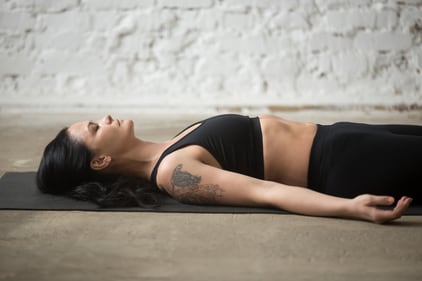
8. Shavasana (pose of the corpse)
“Despite its apparent simplicity, shavasana is one of the most crucial yoga poses. Since we do not perceive the benefits of this pose, many of us avoid it. Your nervous system is balanced by this pose. It facilitates the body's transition into a relaxed and peaceful state. It aids in body cooling and the removal of emotional blockages,” she concluded.
Note to readers: This article is for informational purposes only and not a substitute for professional medical advice. Always seek the advice of your doctor with any questions about a medical condition.


Catch your daily dose of Fashion, Taylor Swift, Health, Festivals, Travel, Relationship, Recipe and all the other Latest Lifestyle News on Hindustan Times Website and APPs.


