
 E-Paper



‘Database on water bodies in MMR soon’: Mumbai environment body
EIS has appointed a consultant to carry out the study based on directives issued by the urban development department of the Maharashtra government


The Mumbai Metropolitan Region-Environment Improvement Society (MMR-EIS) will soon release a
study on all water bodies in the MMR.
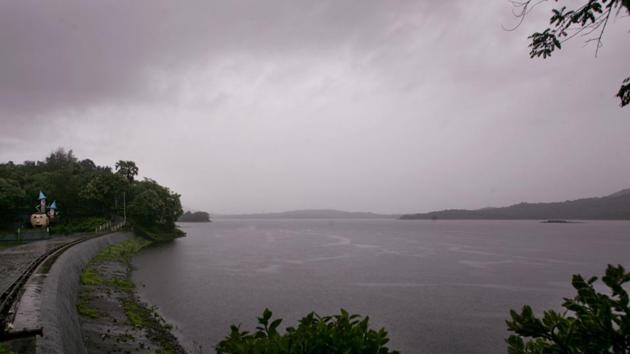
At a time when water crisis looms over the nation, the study aims to inventorise all water bodies that measure more than 10 hectares in the region.
The samples collected from each of these water bodies will also be tested on a pre-determined five-step criteria to see if they can be used for potable, agricultural or industrial purposes.
The EIS has appointed a consultant to carry out the study based on directives issued by the urban development department of the Maharashtra government earlier this year.
The government had stated that it is imperative to conduct this study considering factors such as depleting groundwater, increased flooding and water scarcity.
Abhijit Ekbote, secretary, MMR-EIS, said, “The study will help us make a database of all water bodies. We will also issue directives on the development restrictions around these water bodies.”
Experts welcomed the study, considering the increased urbanisation in the MMR.
According to the Mumbai Metropolitan Region Development Authority’s regional plan 2016-36, the scale of urbanisation in the area is alarming as “less than 20% of the area built up had development permissions.” Pankaj Joshi, executive director of the Urban Design Research Institute (UDRI), said, “Considering the recent floods, it will be a good exercise to conduct this study and also compare it with a previous study on water bodies in the region. Most water bodies have been encroached upon.”
Joshi further said retaining the existing water bodies will have multi-fold benefits considering these natural resources help in keeping the water tables charged, act as catchment areas to prevent flooding and can also be treated in case of water scarcity.
According to a report submitted by the Central Ground Water Board to the Lok Sabha in 2018, there has been a 61% decline in groundwater level in wells in India in the
pre-monsoon time between 2007 and 2017 owing to many factors including increased urbanisation and rise in industries.


Stay updated with all the Breaking News and Latest News from Mumbai. Click here for comprehensive coverage of top Cities including Bengaluru, Delhi, Hyderabad, and more across India along with Stay informed on the latest happenings in World News.


