
 E-Paper



Monorail operations cost likely to increase by 130% in Mumbai
MMRDA panel suggested hiking the per-trip operational cost from ₹4,600 to ₹10,600

 Prefer HTon Google


The operational cost of the country’s only monorail route in Mumbai may rise by more than double.
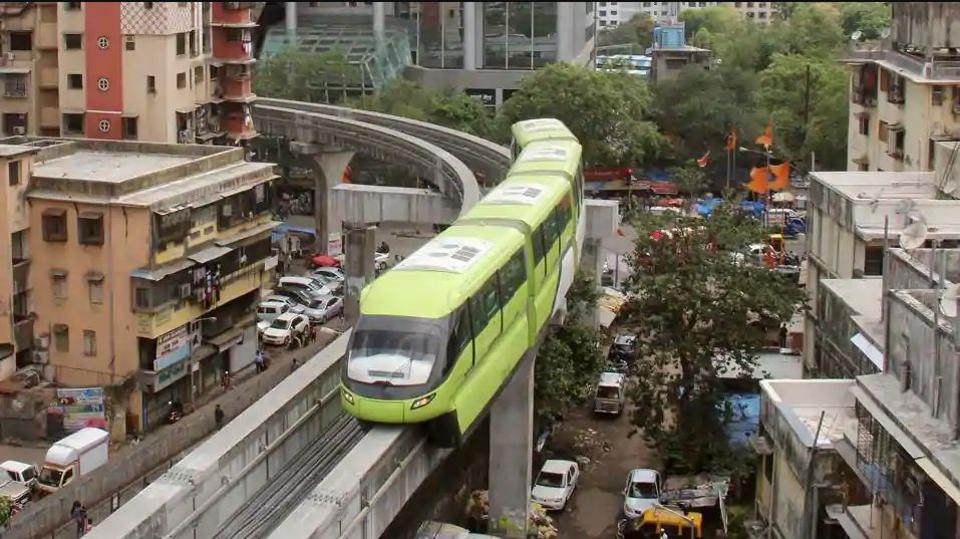
On August 15, Mumbai Metropolitan Region Development Authority (MMRDA) appointed a committee to end the deadlock between itself and the monorail operator over the per-trip cost.
The panel recently suggested hiking the per-trip operational cost from ₹4,600 to ₹10,600.
Operations on the 8.9-km section of the monorail between Chembur and Wadala (Phase-1) were already incurring losses for the MMRDA. But the 130% hike suggested by the panel will only add to the losses borne by the state agency.
The per-trip rate is a fee the operator is given to run (one way) and maintain the corridor by the MMRDA.
The operator — a consortium of Larsen & Toubro and Scomi Engineering (LTSE) — had sought revision in the per-trip rate and had demanded ₹18,000 per trip, according to MMRDA officials.
MMRDA plans to restart the Chembur-Wadala arm of the monorail, which was shut after a fire incident in November 2017, from September 1 and therefore had to resolve the issue before restarting operations.
“The committee has recommended a revision of ₹10,600 per trip. It has also recommended manpower management to make the operation viable for the MMRDA to run the corridor with the recommended rates,” said a senior MMRDA official requesting anonymity.
The MMRDA is incurring losses on the corridor as the route has poor ridership — ranging between 17,000 and 18,000 passengers per day. Apart from paying the operator, the MMRDA also bears the expenses for electricity and the salaries of security personnel at the stations and at Wadala depot. With the corridor catering to only a section of the city, the MMRDA is now pinning its hopes on Phase 2 — between Wadala and Jacob Circle — to make operations viable.
“Public transport is an obligation and is not operated for profits. However, we expect the ridership to go up to 1 lakh per day once the Phase 2 starts, and thus reducing the burden on the MMRDA,” said another MMRDA official.
The Wadala-Chembur arm, which is expected to be commissioned next year, will pass through densely populated areas and will have intersections with suburban railway stations.
Meanwhile, the MMRDA is also planning to install high-resolution CCTV cameras at the end of stations, at the level of tyres, along with smoke detectors near the tyres of the monorail, for real-time monitoring of the operations.
Officials said that the step was taken after it came to light that the fire in November started near the tyres. The monitoring will be done at the control room in Wadala, officials said.


