
 E-Paper



No pussyfooting, tackle Covid-19 head-on
The general attitude towards public health in India is ill-informed, callous, and fatalistic


Wednesday night, before flying out to Melbourne the next morning for the Women’s T20 World Cup final, I went to a chemist to buy face masks and hand sanitiser as a precaution against the threat of coronavirus. Masks were available at a hefty premium, but sanitisers were out of stock.
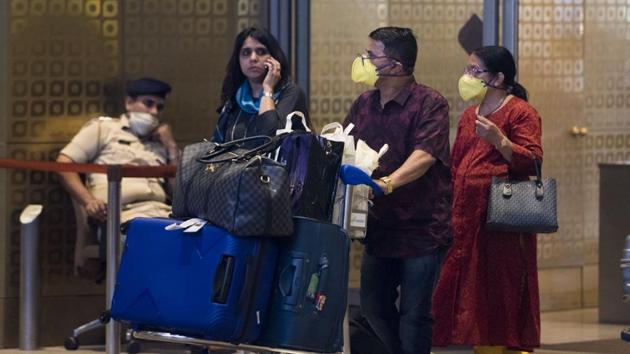
“Huge demand,” said the salesman, shrugging his shoulders with a sense of importance that comes in such crises. On learning of my travel plan, he advised that I swiftly pick up what was available. “It’s the same all over the city, so why go running around?”
Unwilling to give in so easily – and also curious – I drove into town from Bandra (where I live), stopping at several chemists along the way. The cost of masks was volatile; hand sanitisers still unavailable. Finally, in SoBo I hit pay dirt, getting both to clinch the deal.
It’s hard to know how to react when news of an outbreak hits, and also how seriously to take it. Those with long memories will remember when AIDS first arrived – then swine flu and bird flu, etc, – and the panic each time in their wake. We survived those scares with varying degrees of damage, but clearly, there is no getting rid of such menaces permanently.
One strand of conspiracy theorists argue that the current paranoia is diabolically orchestrated by pharmaceutical companies willing to go to any extent to sell their drugs. Another says the toll is far worse than what people are being told. There are also the ‘economic conspiracy theorists’ suggesting that the coronavirus is a biowarfare strategy to cripple China’s economy first, then India’s.
Whatever the scope of this virus as far as damaging public health is concerned, it has not fettered human imagination in finding a panacea to the problem. All kinds of theories and therapies have emerged across the world. In India, the usual suspects have not spared us their cow dung and cow urine cure-all ideas!
Moot question remains: How serious is the threat?
Frankly, who knows? Swine and bird flu proved to be less dangerous than imagined. But malaria and TB remain undaunted killers still. There is no guarantee which strain can be easily contained and which will play havoc for years, perhaps centuries. But all told, it would be imprudent to be cavalier about coronavirus.
Gradually over the past few weeks – amidst various Whatsapp messages about spraying your mouth with Jack Daniels and how the Asterix comics have figured it all out, etc, – there has been some clarity on this. For one, we have a name for the virus: Covid-19. More importantly, we also have some common-sense, practical advice.
This has come sluggishly from governments – central and state – but better late than never. Especially for Mumbai — congested, busy, commuter city with enforced human contact; a port city with a constant stream of visitors.
Paramount among these safety instructions: wash your hands frequently with soap or hand sanitisers; reduce touch contact; cover your mouth when coughing; and most crucially, see a doctor if symptoms suggest a problem. Simple stuff but all too often forgotten in the panic to get hold of some fantastic cure originating from the fevered imagination.
Luckily, India is not yet on any danger list as far as Covid-19 is concerned. Yet, the number of confirmed cases is growing, so there can’t be any laxity. So far, Maharashtra hasn’t reported a confirmed case, but that is all the more reason to increase vigilance and precaution, particularly in Mumbai, with its massive population, large workforce, and heavily crowded commute systems.
Lack of public hygiene and sanitation has been the country’s bane, Mumbai not excepted — spitting, sneezing, and blowing one’s nose without concern about those around or the environment for instance. Hospitals, especially those run by the state and BMC, are massive carriers of infection and superbugs.
The general attitude towards public health in India is ill-informed, callous, and fatalistic. Governments – central and state – tend to be sluggish. Viruses like Covid-19, whatever their long-term ramifications, are waiting for opportunities to destroy everyday life, and confidence at the very least.
The current situation opens up opportunity to chart a new course in health management. Precautionary methods propagated on massive scale is not panic, but sensible preventive action. Swift, easy to implement measures could mitigate long-term damage and simultaneously also enforce a culture that makes public hygiene and health imperative beyond just political hoopla.
Mumbai, India, we, must all act.

Stay updated with all the Breaking News and Latest News from Mumbai. Click here for comprehensive coverage of top Cities including Bengaluru, Delhi, Hyderabad, and more across India along with Stay informed on the latest happenings in World News.


