
 E-Paper



This beats hawala: DRI sounds alert on currency deposit scam
The DRI had arrested eight people, including textile exporters, for claiming excise duty drawbacks from the government by showing fake currency declaration forms

 Prefer HTon Google


The Directorate of Revenue Intelligence (DRI) has sent out an alert to banks asking them to closely verify deposits of foreign currency after it recently unearthed a scam involving misuse of the currency declaration forms that passengers coming into the country have to fill at airports. The scam, which is apparently more profitable than hawala, could involve Rs1,000 crore over five years and could have links with crime syndicates in Dubai and Africa.
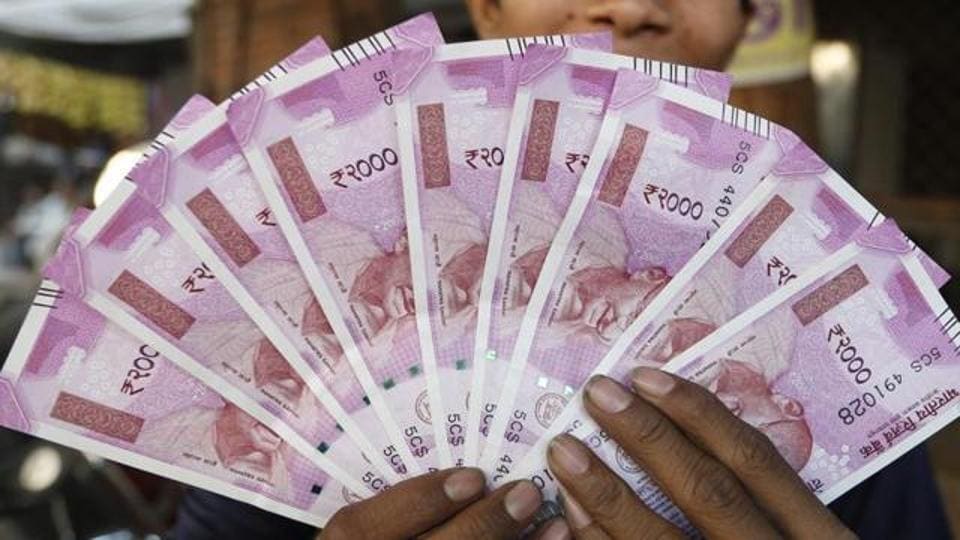
The DRI had arrested eight people, including textile exporters, for claiming excise duty drawbacks from the government by showing fake CDFs. This way, the agency suspects, black money was converted into white.
Filling in CDFs is mandatory if the value of foreign currency notes a passenger has exceeds US $5,000 and if the aggregate of the foreign exchange (in the form of currency notes, bank notes, traveller cheques etc.) with a passenger exceeds US $10,000.
Passengers need to produce this form at a bank authorised to deal in foreign exchange or at a money changer’s at the time of conversion of foreign exchange into Indian rupees or reconversion of rupees into foreign exchange.
“The forms were filled by these exporters under the name of fictitious passengers -- say a Nigerian travelling to the city to purchase garments from them. The signatures of the customs officials on the forms were forged,” said a source.
These forms were then submitted to the banks. The foreign currency declared in the CDF is purchased from the grey market and deposited in the bank account. The accused showed the money as earnings from exports, as money paid by those who came to India to purchase garments from them.
Investigations revealed that the scam gathered momentum as it was more profitable than the hawala system. Under hawala , money is paid to a middleman in one country who then instructs his associate in another country to pay the final recipient after taking a commission. “While the commission is Rs4 per dollar for a hawala transaction, through this CDF fraud it is a mere Rs1 per dollar,” said a source in the DRI.


