E-Paper



H-1B visa update: Why Indian workers could face fresh checks despite previous approvals
A DHS proposal would let USCIS officers reassess employment-based visa petitions instead of generally deferring to earlier approvals.

 Prefer HTon Google


Indian IT professionals working in the United States could face greater uncertainty when renewing their H-1B status under a Trump administration proposal to remove a requirement that immigration officers generally defer to previous petition approvals.
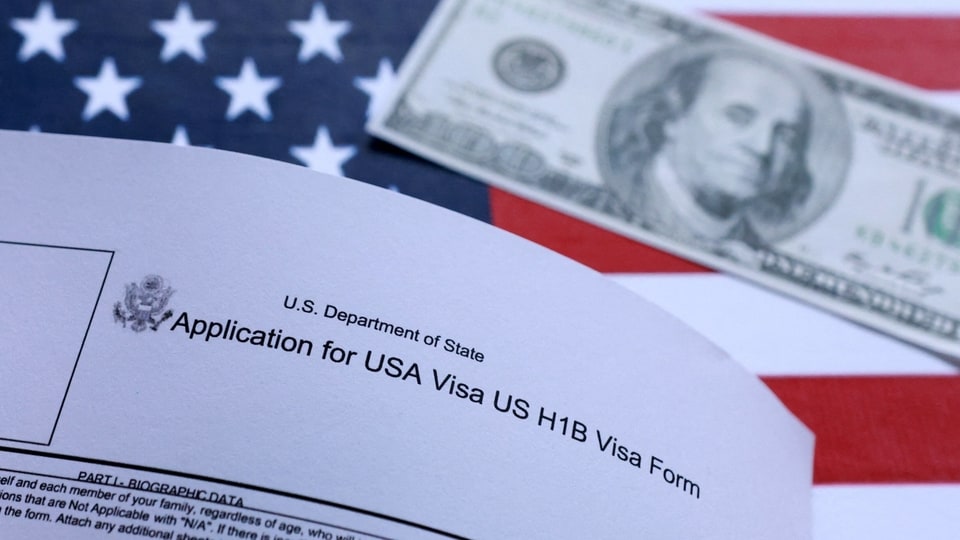
The Department of Homeland Security (DHS) published the proposal in the Federal Register on October 14, 2026, seeking to give US Citizenship and Immigration Services (USCIS) officers greater discretion to reassess eligibility when employers file subsequent petitions. The proposal is open for public comments until November 13, 2026, and has not yet taken effect.
According to Fragomen, the change could lead to more requests for evidence, longer processing times and a greater risk of denials for employment-based visa petitions.
ALSO READ: US universities could feel green card crackdown before Indian IT firms, expert warns
Why previous H-1B approvals matter
H-1B workers are generally granted status for an initial period of up to three years and may seek an extension for another three years. Certain workers can qualify for extensions beyond the usual six-year limit if they meet specific requirements, including provisions linked to their employment-based green-card process.
Under the existing regulation, USCIS generally defers to an earlier eligibility decision when the same employer and worker are involved and the underlying facts remain unchanged. Exceptions apply when the previous decision involved a material error, circumstances have materially changed or new information adversely affects eligibility.
This does not guarantee approval of a future extension. Employers must still establish that workers qualify for the requested immigration benefit. However, the existing policy provides a degree of consistency when the circumstances supporting an earlier approval remain the same.
The proposed change would remove the requirement to give that deference, allowing officers to reassess petitions on their merits.
ALSO READ: Infosys says green card suspension will have no material impact; what Indians should know
More scrutiny for employers and workers
According to data cited by Fragomen, the H-1B extension denial rate reached 24% after the first Trump administration rescinded the deference policy in 2017, compared with approximately 3.5% currently.
These figures offer historical context but do not establish that denial rates will rise to the same level if the proposal is adopted.
Employers could face additional documentation requirements and greater uncertainty when retaining foreign workers. For Indian professionals, delays or denials could complicate employment plans, particularly when an extension is needed to continue working in the US.
What happens next?
The proposal would affect petitions filed using Form I-129 across several employment-based nonimmigrant categories, including H-1B, L-1 and O-1.
The administration's move follows earlier policy reversals. The first Trump administration rescinded deference in 2017, the Biden administration restored it in 2021, and the requirement was subsequently codified in regulations in 2024.
Until a final rule takes effect, the existing regulatory requirement remains in place.