
 E-Paper



Sanction-proofing India’s interests and autonomy
India needs a permanent Economic Security and Sanctions Office rather than a committee that meets intermittently

 Prefer HTon Google


Recently, by 86 votes to 11, the US Senate passed a bill that could turn a barrel of crude oil bought from Russia into tariffs on Indian exports wholly unrelated to oil. The bill, however, preserved waivers for limited imports of Russian enriched uranium. Revenue from Russian energy exports helps Moscow sustain the war in Ukraine. That is a serious case for action. The harder question is who is punished, who gets waivers, and, most importantly, who decides.
The bill passed by the Senate is not yet law. If enacted, it would allow additional tariffs of up to 100% on goods exported to the US by countries that continue buying Russian oil or gas and rank among the five largest buyers, or among the five leading facilitators of Russian oil sanctions evasion. India is not named, but the scale of its Russian crude purchases places it within the formula. The trigger is oil. The leverage is Indian exports to America, from machinery and electronics to gems, jewellery and textiles. The bill also lets the President waive any duty in the US national interest.
India now has to reckon with powers that can turn economic dependence into political leverage. Washington reaches trade transactions through the dollar payment system and the American market. Brussels can restrict market access and maritime services. Beijing controls some critical industrial inputs. Each can use what others depend on to demand compliance and then decide who gets a waiver. India needs an institutional answer to that power, beyond diplomatic objections.
Also read: Will Russia sanctions bill impact India-US trade deal? White House official answers key question
The US still imports 20-25% of its enriched uranium from Russia. A 2024 American law bans imports of Russian low enriched uranium but permits limited imports under individual waivers through 2027 if no viable alternative exists or the US national interest requires it. The energy department has granted Centrus, an American nuclear fuel supplier, a waiver covering deliveries already agreed to with US customers. This is Washington admitting that reactors, contracts, and fuel cycles do not rearrange themselves because the US Congress wants to uphold a principle. India can change crude suppliers more readily, though not painlessly and not overnight. The waiver thus concedes what sanctions rhetoric leaves out: Energy systems cannot be reordered on command.
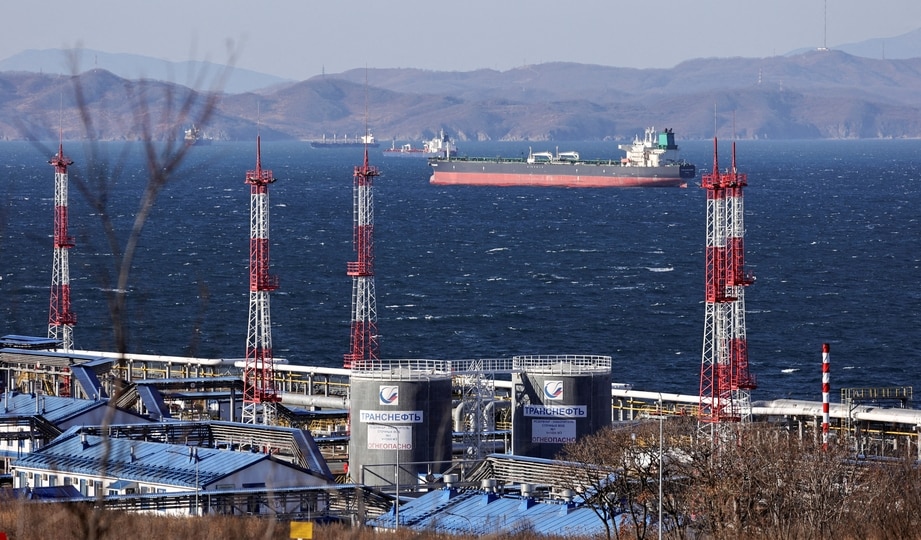
In July 2025, the EU placed Nayara on its assets-freeze list. The Indian refinery is 49%-owned by Rosneft, Russia’s State-controlled oil company. Inclusion in the list barred people and companies subject to EU law from providing Nayara with funds or other economic resources. The EU’s sanctions on Nayara were effected through contracts as service providers and shipowners pulled back.
Measures targeting Russian petroleum work differently. Under the same package of measures that included sanctions on Nayara, the EU barred, from January 2026, imports of specified petroleum products refined from Russian crude in third countries. In March 2026, the US issued a temporary waiver (through General License 133) for the delivery and unloading in India of Russian oil already at sea. This license included necessary insurance and maritime services. A company listed for business restrictions, an import ban, and a temporary licence do not have the same legal effect. Treating all three as sanctions on India leads to the wrong response. It blurs who is acting, what rule they are relying on, and where India has room to push back.
Also read: 100% tariffs on India soon? US Senate clears bill for sanctions over Russian oil
China shows how the control of an indispensable input can become leverage. In two rounds earlier this year, it barred exports of goods with both civilian and military uses to 40 Japanese entities that Beijing linked to military activity and placed 40 more under tighter licensing. It imposed similar restrictions on 10 American companies. India depends on China for most of its imported permanent magnets. For Indian manufacturers, a licence issued or withheld in Beijing can determine whether a production line in Chennai is able to run the next month or not.
India’s longstanding position is that it implements UN sanctions but does not subscribe to unilateral measures imposed by individual States. This protects a vital legal principle, but it is no longer enough.
Sanctions can serve legitimate security purposes. India should instead challenge coercion that travels far beyond the country imposing it — often with inadequate notice, opaque evidence and weak review — especially when that country protects its own necessities through exemptions. If energy dependence is a reason for waivers in one country, it cannot automatically become evidence of bad faith in another.
India needs a permanent Economic Security and Sanctions Office. It must be a standing unit linking foreign policy, finance, trade, law, the RBI, petroleum, atomic energy, defence and technology rather than a committee that meets intermittently. Firms need to know what Indian law requires, which foreign rules reach their transactions, and when cautious banks or suppliers are imposing restrictions required by neither Indian nor foreign law. The office should identify where alternative suppliers or lawful payment routes are needed, explain exemptions and coordinate challenges before a payment fails, a cargo is stranded or a customer walks away.
India cannot stop powerful States from using the chokepoints they control. It can contest the terms on which that power is used and insist that its own needs are accounted for. That contest over strategic autonomy will be fought in waiver clauses, licence schedules and bank compliance rooms, not only in speeches about sovereignty. If India’s necessities never qualify as necessities, strategic autonomy will shrink from a doctrine into an application for somebody else’s permission.
Syed Akbaruddin served as India’s permanent representative to the United Nations in New York and is currently dean, Kautilya School of Public Policy. The views expressed are personal


