
 E-Paper



Photos: Graffiti with a vengeance in the capital
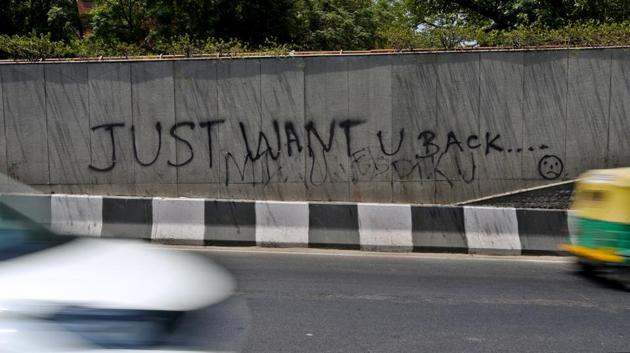
Delhi police data shows that last year, 68 cases of “revenge graffiti” were reported in the Delhi Police’s women’s helpline 1091. However only 11 FIRs were registered against these faceless culprits. The trend of “revenge graffiti” is not new to the national capital. Proof of this is on the walls of flyovers, underpasses, subways and other public places. The messages on the walls range from proclamation of love to more heinous ones.
Updated on: Jul 03, 2019 3:12 PM IST

Share via


Copy link

1/8
 View Photos in a new improved layout
Updated on Jul 03, 2019 3:12 PM
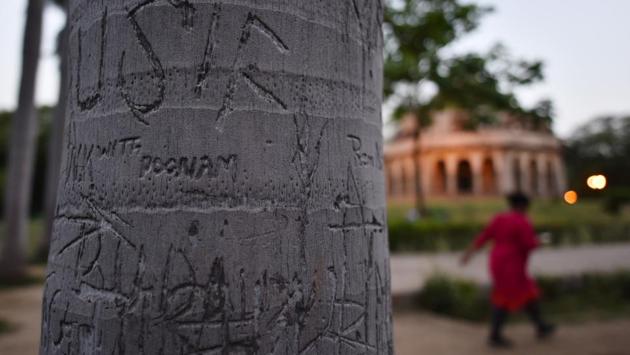
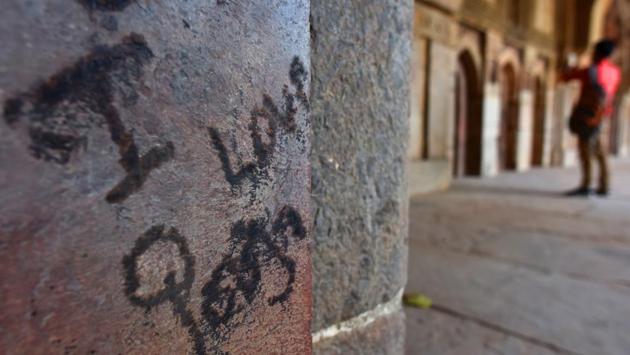
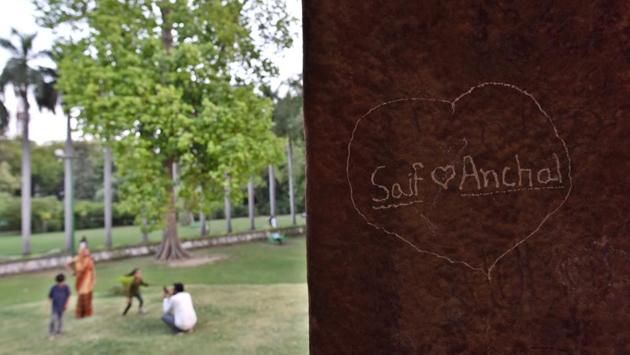
Proclamations of love and other graffiti etched into tree trunks at Lodhi Gardens. The trend of “revenge graffiti” is not new to the national capital. Proof of this is on the walls of flyovers, underpasses, subways and other public places. The messages on the walls range from proclamation of love to more heinous ones such as putting out phone numbers of women and calling them names. (Sanchit Khanna / HT Photo)
2/8
 View Photos in a new improved layout
Updated on Jul 03, 2019 3:12 PM
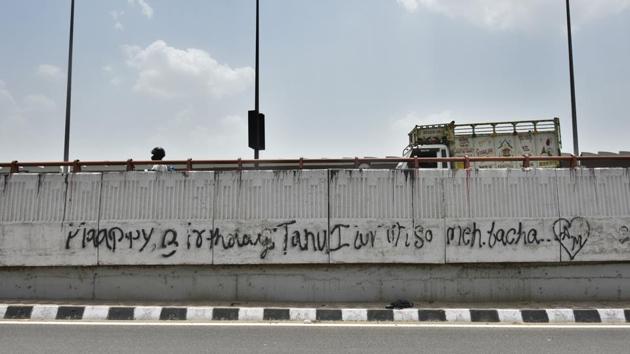
Graffiti spray painted on the Mayur Vihar flyover. Delhi police data shows that last year, 68 cases of “revenge graffiti” were reported on the Delhi Police’s women’s helpline 1091. However, when it came to taking action against these faceless culprits, police could register an FIR and launch a probe against them only in 11 cases. In 2017, 35 such cases were reported on the helpline. (Raj K Raj / HT Photo)
3/8
 View Photos in a new improved layout
Updated on Jul 03, 2019 3:12 PM
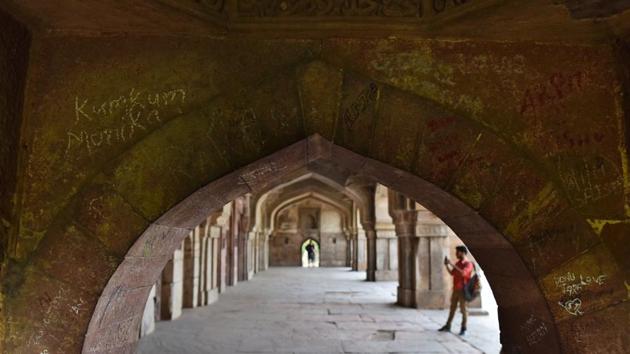
Police officials say that it is difficult to catch the guilty in such cases unless there are definite accounts from victims or eye witnesses who have seen them in the act. However, those caught are punished under sections of harassment and defacement of public property, depending on the severity of the case. (Sanchit Khanna / HT Photo)
4/8
 View Photos in a new improved layout
Updated on Jul 03, 2019 3:12 PM
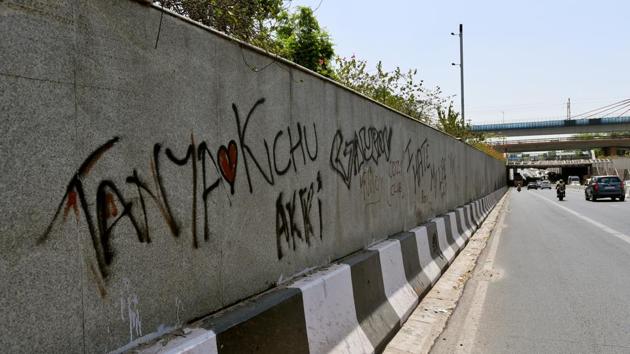
Graffiti scribbled over the walls at Moolchand underpass. The rising number of such cases and the lack of provision to book the culprits under stringent sections have prompted government agencies to come up with newer ways to protect victims and cover such graffiti. One of south Delhi’s busiest points, the Moolchand underpass, is one of the best examples of how public property is used to harass women. (Amal KS / HT Photo)
5/8
 View Photos in a new improved layout
Updated on Jul 03, 2019 3:12 PM
Senior officials of the Public Works Department said that such messages had become so common on the walls of the underpass that in 2012, they put up rugged tiles on both sides to discourage “miscreants”. Despite the precautionary measure, when HT visited the underpass, the exits had several names signed on the sides. A message read “Dhruv and Anuradha,” —the two names within a heart. Another read “Kiss Anshul.” (Amal KS / HT Photo)
6/8
 View Photos in a new improved layout
Updated on Jul 03, 2019 3:12 PM
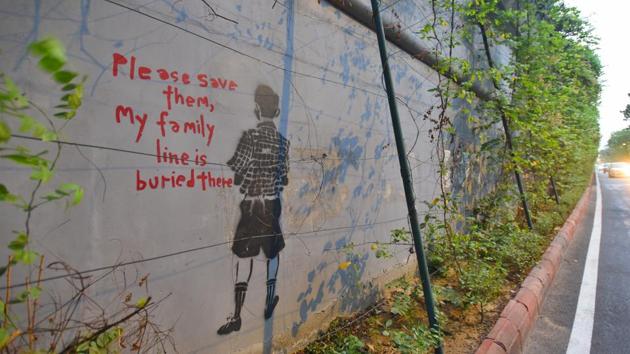
Similar messages can also be seen on the elevated section of the metro at Mandi House. The wall on the sides of the elevated tracks in the heart of the city had become the favourite spot for such messages. A year ago, agencies came up with the idea of planting climbers to mask them. Once these plants attain thick foliage the existing graffiti should be covered and writing new messages won’t be possible. (Amal KS / HT Photo)
7/8
 View Photos in a new improved layout
Updated on Jul 03, 2019 3:12 PM
“Writing a woman’s contact details with sexual messages inside men’s washrooms was a common way of ‘getting back’ at her,” said Renuka Reddy, a scholar in gender studies. “Now, however, the scope has expanded. Instead of the handful of men who use a washroom, you take your message to the walls of flyover and monuments where the entire city can see it.” she said. (Sanchit Khanna / HT Photo)
8/8
 View Photos in a new improved layout
Updated on Jul 03, 2019 3:12 PM


