
 E-Paper



Photos: Looking back at a now empty Shaheen Bagh, a hundred days on
Protesters against the Citizenship Amendment Act (CAA) in Delhi’s Shaheen Bagh were removed and some detained on Tuesday, more than 100 days after they started the agitation, amid a lockdown in the national capital over the coronavirus outbreak. Police said they have taken all the tents and billboards agitators had put up in Shaheen Bagh, which has been placed under heavy security.
Updated on: Mar 25, 2020 3:07 PM IST


Share via


Copy link

1/12
 View Photos in a new improved layout
Updated on Mar 25, 2020 3:07 PM
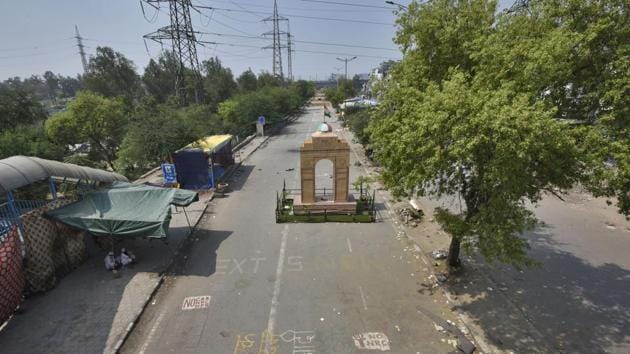
A deserted view of the main road in Shaheen Bagh, which has been the site of over a 100-day protest against the CAA-NRC-NPR. On March 22, PM Modi proposed a 'Janata curfew' for the day between 7 am and 9 pm as part of social distancing to check the spread of the coronavirus, following which the site was kept clear of protesters. (Burhaan Kinu / HT PHOTO)
2/12
 View Photos in a new improved layout
Updated on Mar 25, 2020 3:07 PM
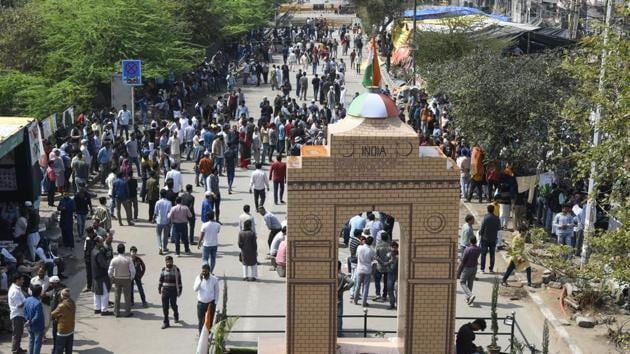
A replica of the India Gate monument installed at the Shaheen Bagh protest site by artists, as seen on Sunday, March 1. The protest was led by Muslim women from there; it became a model for movements elsewhere in the country. The public art movement there became historic in its display of changing art, and a movement of local inclusivity. (Burhaan Kinu / HT PHOTO)
3/12
 View Photos in a new improved layout
Updated on Mar 25, 2020 3:07 PM
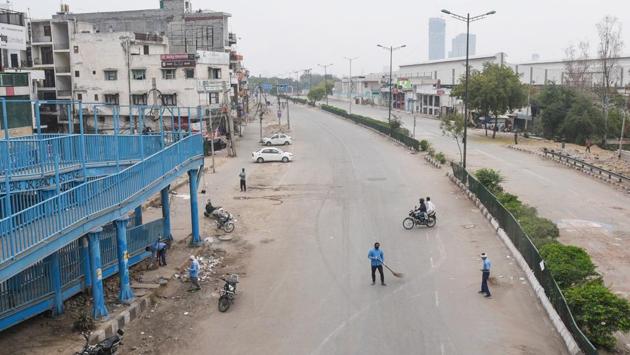
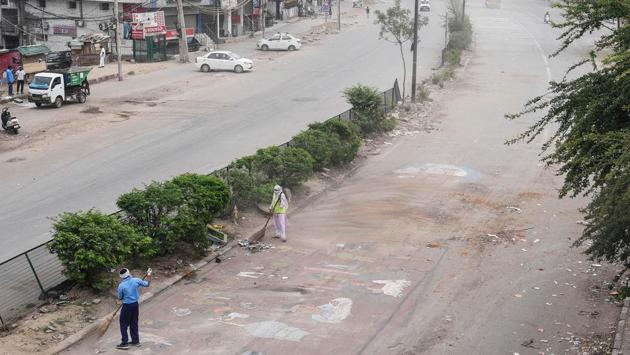
Workers clean up the road in Shaheen Bagh on Tuesday, March 24, 2020. In the days of active protest, the roads were painted with anti-CAA-NRC-NPR messaging and art. It became symbolic of the protests across the country. (Biplov Bhuyan / HT PHOTO)
4/12
 View Photos in a new improved layout
Updated on Mar 25, 2020 3:07 PM
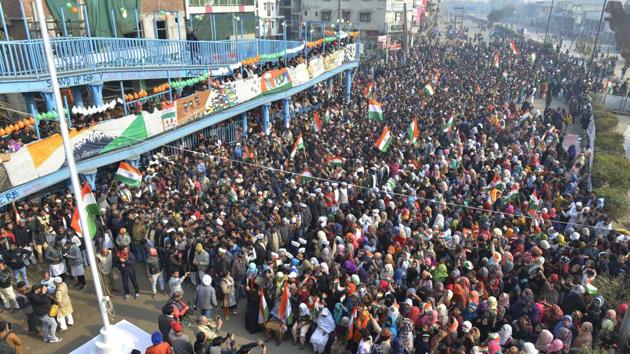
A massive crowd gathered to celebrate India’s 71st Republic Day by reading out the preamble, followed by several acts by performers and artists in Shaheen Bagh on January 26, 2020. (HT PHOTO)
5/12
 View Photos in a new improved layout
Updated on Mar 25, 2020 3:07 PM
A view of the cleared protest site at Shaheen Bagh on Tuesday, March 24, 2020. Despite earlier advisories to avoid public gatherings in order to control the spread of Covid-19, protesters at Shaheen Bagh had continued with their demonstration, while taking necessary health precautions. (Biplov Bhuyan / HT PHOTO)
6/12
 View Photos in a new improved layout
Updated on Mar 25, 2020 3:07 PM
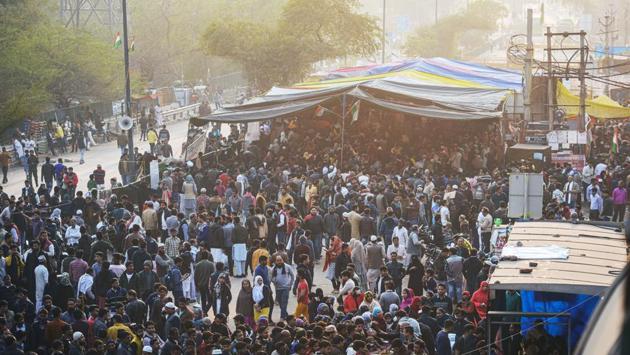
People during the ongoing protest against Citizenship Amendment Act (CAA), National Population Register (NPR) and National Register of Citizens (NRC) at Shaheen Bagh on Sunday, February 9, 2020. The protests there became one of the most successful occupy movements globally in terms of drawing attention to its cause. (AMAL KS / HT Photo)
7/12
 View Photos in a new improved layout
Updated on Mar 25, 2020 3:07 PM
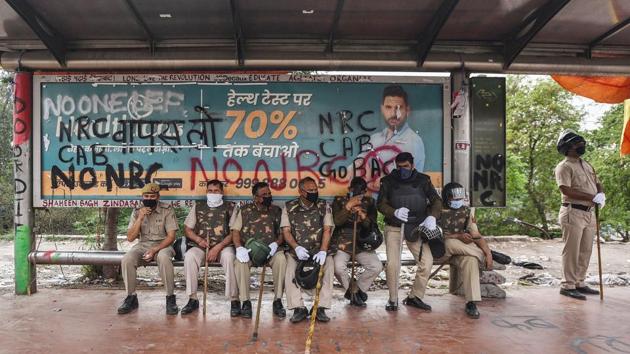
Delhi Police personnel sit at a bus stop full of anti-CAA-NRC-NPR graffiti in Shaheen Bagh on Tuesday, March 24, 2020. (Biplov Bhuyan / HT PHOTO)
8/12
 View Photos in a new improved layout
Updated on Mar 25, 2020 3:07 PM
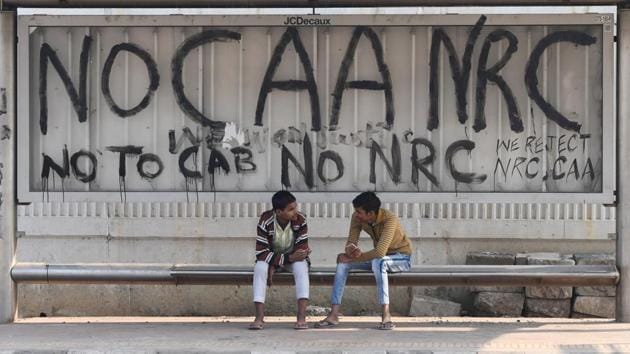
Young boys seen sitting at a bus stop, with anti-CAA-NRC slogans spray painted at the back. The sit-in protest at Shaheen Bagh inspired similar movements across India on a large scale, continuing for months on end. (Biplov Bhuyan / HT PHOTO)
9/12
 View Photos in a new improved layout
Updated on Mar 25, 2020 3:07 PM
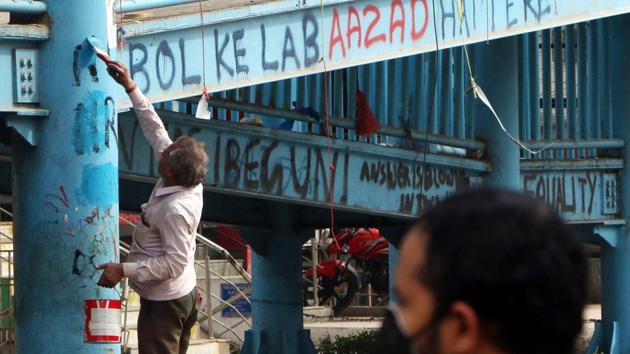
MCD workers paint to cover up anti-CAA slogans at Shaheen Bagh after the protest site was cleared during the second day of lockdown imposed by the state government to curb the spread of coronavirus, in New Delhi, Tuesday, March 24, 2020. (Salman Ali / HT Photo)
10/12
 View Photos in a new improved layout
Updated on Mar 25, 2020 3:07 PM
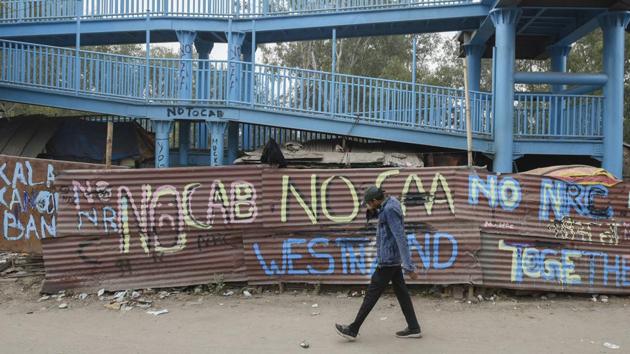
In January this year, the footbridge in Shaheen Bagh was full of anti-CAA-NRC messaging and graffiti as part of the sit-in protests at the site. (Burhaan Kinu / HT PHOTO)
11/12
 View Photos in a new improved layout
Updated on Mar 25, 2020 3:07 PM
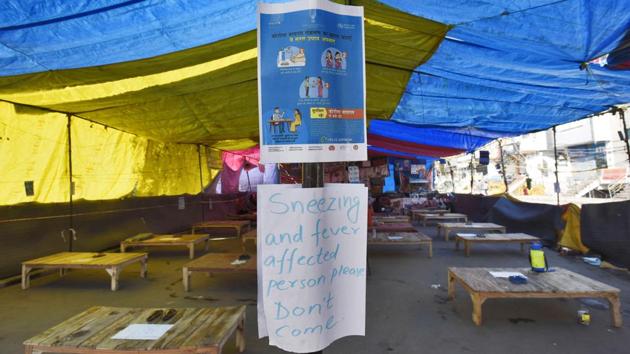
A poster requesting people with COVID-19 symptoms to not join the sit-in protest at Shaheen Bagh onSunday, March 22. PM Modi proposed a 'Janta curfew' for the day between 7 am and 9 pm as part of social distancing to check the spread of the coronavirus. (Burhaan Kinu / HT PHOTO)
12/12
 View Photos in a new improved layout
Updated on Mar 25, 2020 3:07 PM


