
 E-Paper



5 Navratri superfoods that can help you lose weight
Navratri fasting can help you lose weight if you eat the right kind of food cooked in the right way. Here are 5 superfoods suggested by dietician Ruchika Batra that can help you achieve your goal.
Published on: Oct 9, 2021 1:20 PM IST


Share via


Copy link

1/5
 View Photos in a new improved layout
Published on Oct 9, 2021 1:20 PM
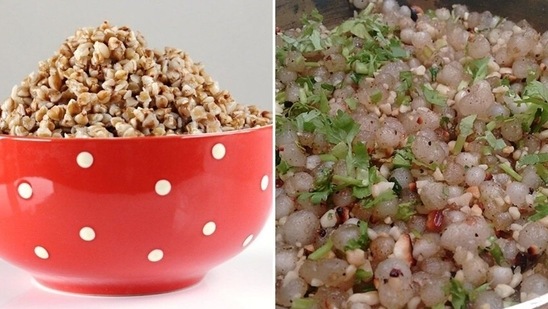
1. Buckwheat or Kuttu: Gluten free and rich in nutrients, Buckwheat is one of the favourites for those who are keeping fasts in Navratri. Popularly known as kuttu, it is actually not a grain. It's a flour obtained from a seed, hence a pseudo-cereal. Apart from fasting, it is a great alternative for gluten sensitive individuals round the year. Buckwheat produces heat in the body. It is also rich in nutrients like phosphorus, magnesium, zinc, copper and B vitamins. (Buckwheat )
2/5
 View Photos in a new improved layout
Published on Oct 9, 2021 1:20 PM
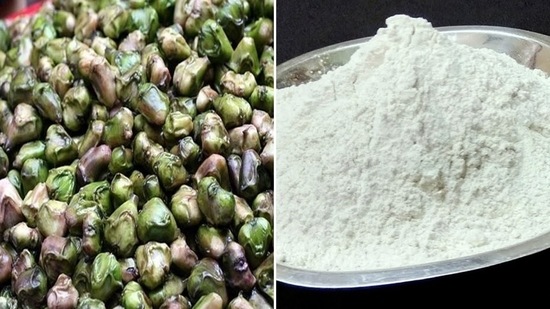
2. Singhara or water chestnut: Singhara is a fruit and the flour is obtained after drying the fruit. It is low in sodium, high in potassium, calcium, iron, zinc, phosphorus and fibre too. Singhara flour has a cooling effect on the body. (Wikipedia, Instagram)
3/5
 View Photos in a new improved layout
Published on Oct 9, 2021 1:20 PM
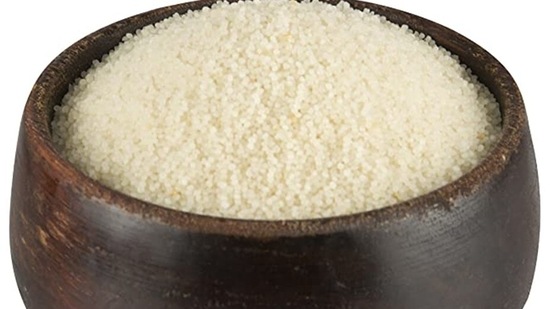
3. Samak: It belongs to the millet family. It can be used in the form of grains to prepare rice, khichadi or as a flour. It is a good source of phytochemicals too (Instagram)
4/5
 View Photos in a new improved layout
Published on Oct 9, 2021 1:20 PM
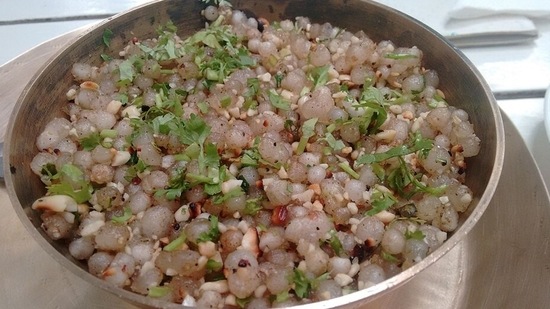
4. Sabudana: It is a carbohydrate dense food which is permitted in Navratri fasting. It can be carefully combined with other ingredients like peanuts, curry patta, some potatoes, veggies and more to prepare a delicious khichadi that can be eaten with curd. (Wikipedia)
5/5
 View Photos in a new improved layout
Published on Oct 9, 2021 1:20 PM


