
 E-Paper



7 things every pet owner needs to know about the deadly Parvovirus
Parvovirus is a highly contagious and deadly virus that affects dogs, especially puppies.
Published on: Feb 22, 2023 3:00 PM IST


Share via


Copy link

1/8

 View Photos in a new improved layout
Published on Feb 22, 2023 3:00 PM
Parvovirus is a type of virus that can infect both humans and animals. There are several types of parvovirus that affect different species, but the most well-known type of parvovirus is canine parvovirus, which affects dogs. Here are some important things that every pet owner should know about Parvovirus: (Unsplash)
2/8
 View Photos in a new improved layout
Published on Feb 22, 2023 3:00 PM
What is Parvovirus? Parvovirus is a highly contagious viral disease that affects dogs. It can cause severe and often fatal diarrhoea, vomiting, and dehydration, especially in puppies. (Unsplash)
3/8
 View Photos in a new improved layout
Published on Feb 22, 2023 3:00 PM
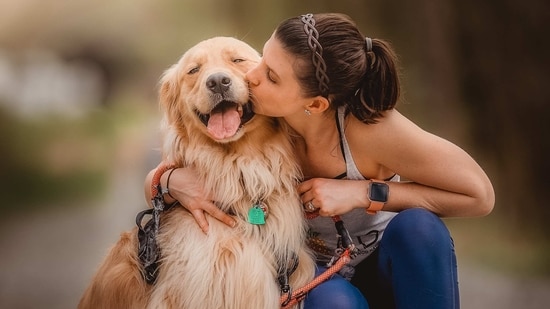
How is it transmitted? Parvovirus is transmitted through direct contact with infected dogs or their faeces. The virus can survive in the environment for months, so dogs can also become infected by coming into contact with contaminated objects like food and water bowls, toys, or even grass. (Unsplash)
4/8
 View Photos in a new improved layout
Published on Feb 22, 2023 3:00 PM
What are the symptoms? The symptoms of Parvovirus include loss of appetite, vomiting, diarrhoea (often bloody), lethargy, and fever. Puppies are more likely to develop severe symptoms than adult dogs. (Unsplash)
5/8
 View Photos in a new improved layout
Published on Feb 22, 2023 3:00 PM
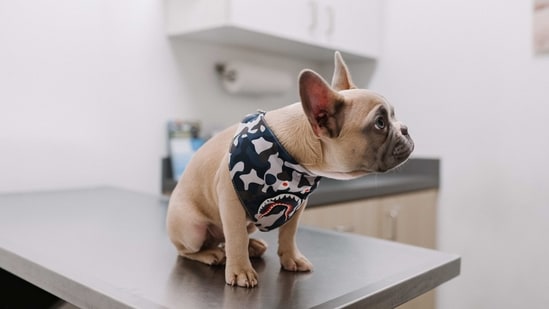
How is it diagnosed? Parvovirus is diagnosed through a combination of clinical signs, a physical examination, and diagnostic tests like blood tests and faecal analysis. (Unsplash)
6/8
 View Photos in a new improved layout
Published on Feb 22, 2023 3:00 PM
How is it treated? There is no cure for Parvovirus, so treatment involves supportive care to manage the symptoms and prevent complications. This may include hospitalization, IV fluids, antibiotics, and anti-nausea medication. (Unsplash)
7/8
 View Photos in a new improved layout
Published on Feb 22, 2023 3:00 PM
How can it be prevented? The best way to prevent Parvovirus is to ensure that your dog is up-to-date on their vaccinations. Puppies should receive a series of vaccinations starting at 6-8 weeks of age, with booster shots every 3-4 weeks until they are at least 16 weeks old. Adult dogs should receive regular booster shots to maintain their immunity. (Unsplash)
8/8
 View Photos in a new improved layout
Published on Feb 22, 2023 3:00 PM


