
 E-Paper



How to beat pandemic fatigue and stay positive
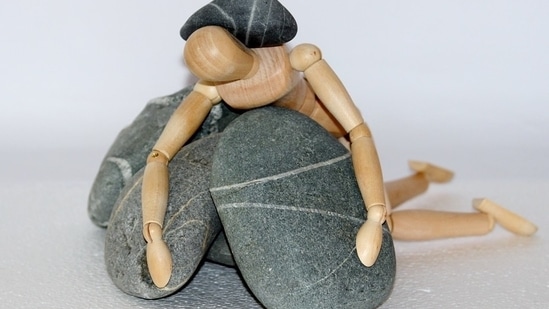
Pandemic fatigue is real and it can take a heavy toll in the long run. Here are tips to stay positive by Dr Farah Ingale, Director-Internal Medicine, Fortis Hiranandani Hospital, Vashi.
Published on: Jan 25, 2022 6:56 PM IST


Share via


Copy link

1/6
 View Photos in a new improved layout
Published on Jan 25, 2022 6:56 PM
Covid-19 and its uncertainities continue to lurk even as we enter the third year of pandemic. Many people are constantly facing challenging situations amid pandemic and no wonder they are reporting exhaustion, stress and burnout. Pandemic fatigue is real and it can take a heavy toll in the long run. Here are tips to stay positive by Dr Farah Ingale, Director-Internal Medicine, Fortis Hiranandani Hospital, Vashi.
2/6
 View Photos in a new improved layout
Published on Jan 25, 2022 6:56 PM
Accept the situation, rewind and rejuvenate: We can’t change a situation that we are not aware of. It is ok to feel irritated, impatient, angry. Accept that all these responses are normal and understandable during such a difficult time. Awareness is a cornerstone of any mental health toolkit. We need to give ourselves permission to acknowledge that what we’re feeling is 100% normal. Take a walk. Take a bath. Read a book. Do things that are calming. (Pixabay)
3/6
 View Photos in a new improved layout
Published on Jan 25, 2022 6:56 PM
Meditation is key: Breathing and mediation exercises are the simplest way to reduce stress and anxiety. Slow your breathing to tell your body that there is no immediate threat. Breathing helps us manage anxiety response. (Pixabay)
4/6
 View Photos in a new improved layout
Published on Jan 25, 2022 6:56 PM
Stay away from social media: Being clouded with negative stories on TV or on social media, fuels increased dread, uncertainty, anxiety, and fatigue. Deliberately stay off social media. Remove some apps if you are still hooked. (Pixabay)
5/6
 View Photos in a new improved layout
Published on Jan 25, 2022 6:56 PM
Stay active: Physical activity, exercise and sports that make you move will help you stay physically and mentally fit. It will also help you strike the balance, boost your mental health and help you rest and recharge (Pixabay)
6/6
 View Photos in a new improved layout
Published on Jan 25, 2022 6:56 PM


