
 E-Paper



Did you know there is a Christmas in January? All you need to know about Orthodox Christmas Day
A large number of Orthodox Christians worldwide observe Christmas on January 7th, which aligns with December 25th on the Julian calendar.
Published on: Jan 6, 2024 2:29 PM IST


Share via


Copy link

1/8
 View Photos in a new improved layout
Published on Jan 6, 2024 2:29 PM
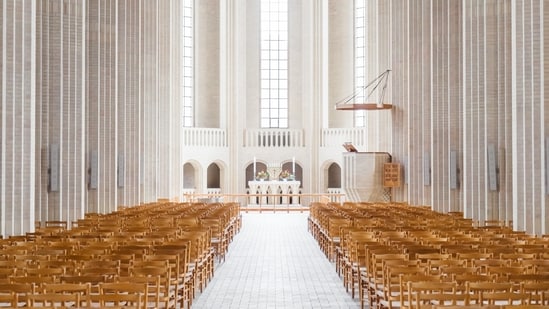
Christmas is traditionally celebrated on December 25th, but for some, Christmas arrives in January. Orthodox Christmas Day is observed by several Christian denominations who follow the Julian calendar. Although the specific date varies, it typically falls on January 7th in the Gregorian calendar. This day carries great religious and cultural importance for millions of Orthodox Christians globally. (Unsplash)
2/8
 View Photos in a new improved layout
Published on Jan 6, 2024 2:29 PM
On Christmas Eve morning, a special church service takes place, and numerous Orthodox Christians fast, abstaining from food consumption. (Unsplash)
3/8
 View Photos in a new improved layout
Published on Jan 6, 2024 2:29 PM
Before Christmas, many Orthodox Christians practice fasting, culminating in a festive meal on Christmas Eve called the Holy Supper. (Unsplash)
4/8
 View Photos in a new improved layout
Published on Jan 6, 2024 2:29 PM
The Christmas Eve service typically features a midnight liturgy, during which the birth of Jesus Christ is celebrated through hymns and prayers. (Unsplash)
5/8
 View Photos in a new improved layout
Published on Jan 6, 2024 2:29 PM
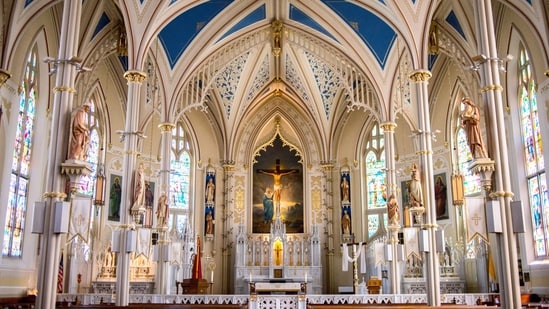
The Nativity icon, portraying the birth of Jesus Christ, holds significant symbolism in Orthodox Christmas. It is commonly exhibited in homes and churches throughout the holiday season. (Unsplash)
6/8
 View Photos in a new improved layout
Published on Jan 6, 2024 2:29 PM
Traditional Orthodox Christmas foods differ by region but commonly feature dishes such as kutia (sweet grain pudding), borscht (beet soup), and a variety of pastries. (Unsplash)
7/8
 View Photos in a new improved layout
Published on Jan 6, 2024 2:29 PM
In certain Orthodox traditions, Christmas is succeeded by the feast of Epiphany, which commemorates the baptism of Jesus Christ. (Unsplash)
8/8
 View Photos in a new improved layout
Published on Jan 6, 2024 2:29 PM


