
 E-Paper



World Vegan Day: Everything you need to know about pros and cons of veganism
World Vegan Day was first celebrated on November 1, 1994 to promote veganism and a vegan diet. This was the day 'The Vegan Society' was established.
Published on: Nov 1, 2022 11:57 AM IST


Share via


Copy link

1/7
 View Photos in a new improved layout
Published on Nov 1, 2022 11:57 AM
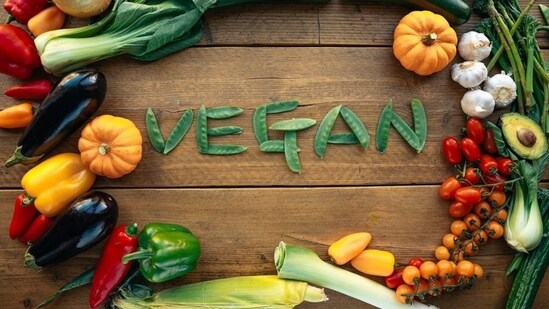
World Vegan Day is observed anually on November 1 with an aim to prevent the exploitation of animals to satisfy ones own needs. This year, the theme will be based on the animal rights-focused campaign 'Future Normal.' Being a vegan is to follow a plant-based diet and avoid meat and any kind of animal products at all. Here are a few pros and cons of the diet that you probably didn't know about. (Pexels)
2/7
 View Photos in a new improved layout
Published on Nov 1, 2022 11:57 AM
Improve blood sugar levels: Following a vegetarian or vegan diet can help improve blood sugar levels and insulin sensitivity since vegan foods tend to be lower in saturated fat and higher in fibre. (Pexels)
3/7
 View Photos in a new improved layout
Published on Nov 1, 2022 11:57 AM
Decreased chance of heart disease: Several studies have linked veganism to better cholesterol levels, reduced inflammation and lower rates of heart disease. (Unsplash)
4/7
 View Photos in a new improved layout
Published on Nov 1, 2022 11:57 AM
Weight loss: Eliminating meat and any kind of animal products and following a vegan diet can help you lose weight and lower your cholesterol levels since it includes a variety of nutritious food. (Pixabay)
5/7
 View Photos in a new improved layout
Published on Nov 1, 2022 11:57 AM
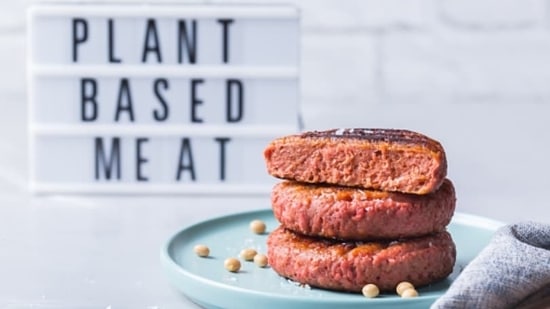
Lack of Iron: Vegans and vegetarians are at higher risk of iron deficient anemia. Plant foods contain an iron called non-heme iron which is much less absorbable by the body. (Unsplash)
6/7
 View Photos in a new improved layout
Published on Nov 1, 2022 11:57 AM
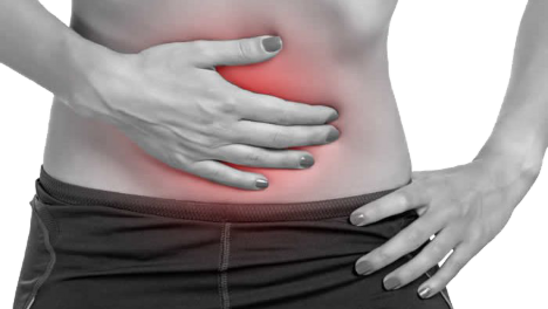
Increase Risk of Leaky Gut: Legumes are packed with antinutrients including lectins and phytales which increase intestinal permeability, also known as leaky gut. (Twitter/mymycolab_llc)
7/7
 View Photos in a new improved layout
Published on Nov 1, 2022 11:57 AM


