
 E-Paper



Photos: Delhi’s oxygen supply may start stabilising next week as deliveries grow
SOS calls for medical oxygen have reduced from Delhi’s hospitals over the past two days, with most of them now able to maintain stocks till replenishments arrive, but a severe crunch still persists as medical facilities are unable to offer critical emergency support even if they have the beds due to lack of oxygen to care to a larger pool of patients. With the procurement of more cryogenic tankers and the creation of more plants in the city to create medical oxygen from ambient air, the situation is likely to stabilise slightly over the week.
Published on: Apr 29, 2021 3:10 PM IST


Share via


Copy link

1/9
 View Photos in a new improved layout
Published on Apr 29, 2021 3:10 PM
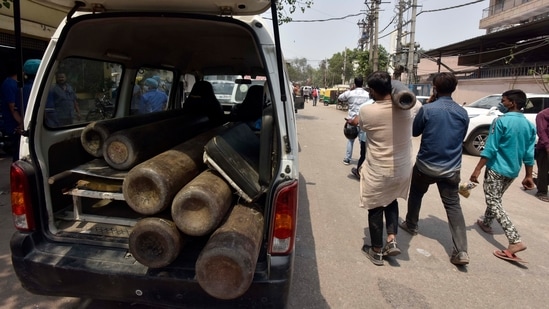
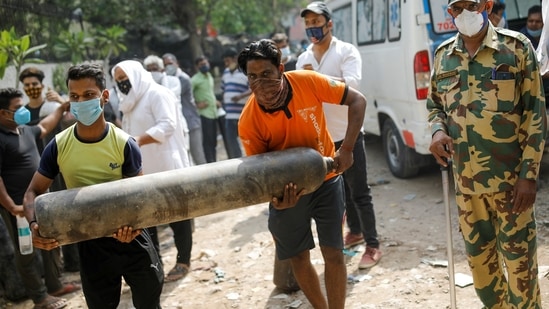
People waiting for oxygen cylinder refills outside a filling plant in Naraina, New Delhi on April 27. With the procurement of more cryogenic tankers to transport liquid oxygen from the central pool, and the creation of more plants in the city to create medical oxygen from ambient air, the capital’s oxygen situation is likely to stabilise slightly over the week, according to government officials and calculations by HT. (Sanjeev Verma / HT Photo)
2/9
 View Photos in a new improved layout
Published on Apr 29, 2021 3:10 PM
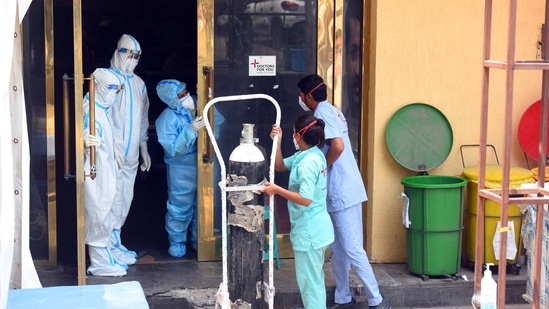
An oxygen cylinder being moved to the temporary Covid-19 care centre attached to LNJP Hospital in New Delhi on April 28. Dozens of new oxygen generators are expected to start functioning in the Capital, and more tankers are expected to be pressed into service to bring in stocks from large plants in neighbouring states. (Raj K Raj / HT Photo)
3/9
 View Photos in a new improved layout
Published on Apr 29, 2021 3:10 PM
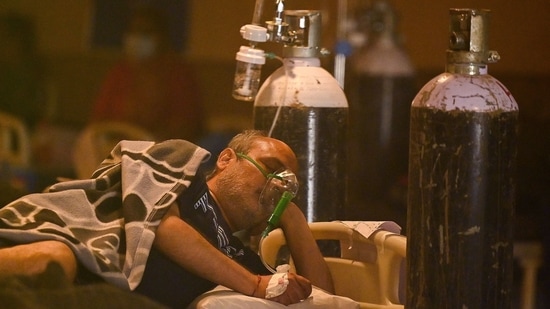
A Covid-19 patient seen inside a Covid care centre in New Delhi on April 28. The situation is an improvement from last week, when hospitals – crushed by an unprecedented surge in Covid-19 cases – began running out of their medical oxygen supply. The crisis came to light when GTB Hospital, with 500 Covid-19 patients, received its replenishments with minutes to spare in the early hours of April 21. (Prakash Singh / AFP)
4/9
 View Photos in a new improved layout
Published on Apr 29, 2021 3:10 PM
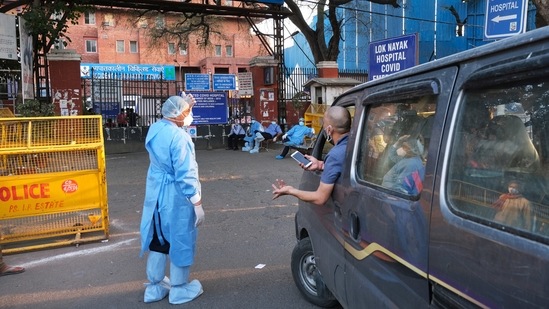
Health workers turn away a vehicle at the main entrance of the LNJP Hospital in New Delhi on April 25. The crisis reach the courts on multiple occasions, after hospitals exercised all options they had, including by raising alarm on social media. The Union as well as Delhi government were pulled up on several occasions, and have since announced several steps to ease the crisis. (T. Narayan / Bloomberg)
5/9
 View Photos in a new improved layout
Published on Apr 29, 2021 3:10 PM
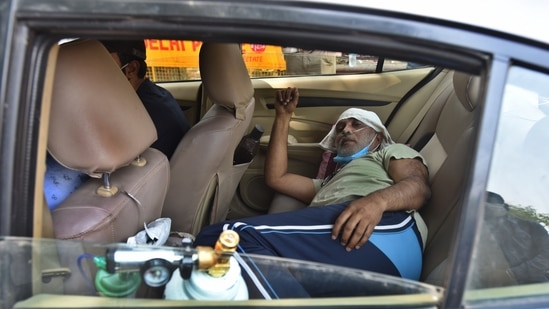
A Covid-19 patient on oxygen support waiting in a car outside a hospital in New Delhi on April 26. But while patients already admitted to hospitals may be getting oxygen now, a major problem still persists for new patients who are in need of urgent care. Officials in several hospitals told HT that new admissions have been halted for now. (Raj K Raj / HT Photo)
6/9
 View Photos in a new improved layout
Published on Apr 29, 2021 3:10 PM
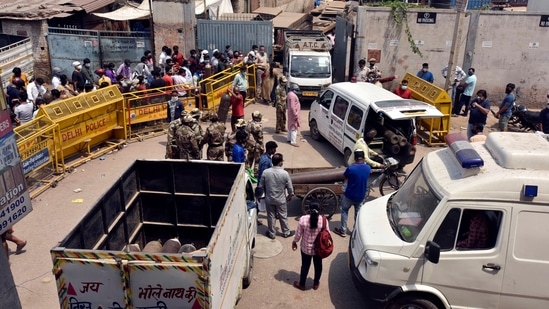
People waiting to refill empty oxygen cylinders at a plant in Naraina, New Delhi on April 27. “The situation is still the same; hospitals are anxious about their oxygen supply. We have had to stop new admissions now because we are not sure when and how much oxygen we will receive,” said an official at one of the biggest private hospitals in Delhi. (Sanjeev Verma / HT Photo)
7/9
 View Photos in a new improved layout
Published on Apr 29, 2021 3:10 PM
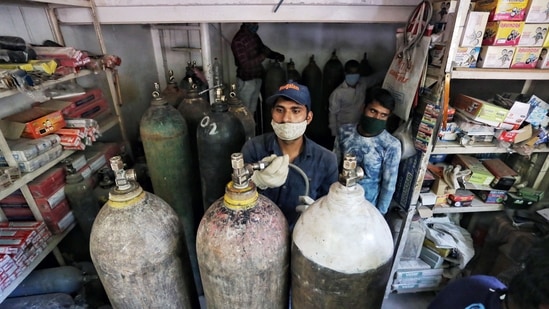
Workers filling oxygen cylinders at an oxygen agency in New Delhi on April 25. Officials and Delhi Police personnel have meanwhile also launched crackdowns after receiving reports of black marketing and pilfering of oxygen supplies. (ANI)
8/9
 View Photos in a new improved layout
Published on Apr 29, 2021 3:10 PM
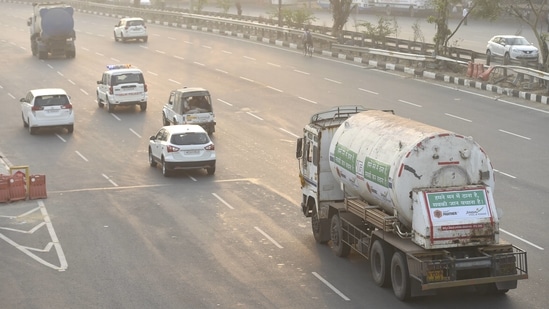
Oxygen tankers being escorted by Delhi Police as they move towards the hospitals from Delhi Cantt Railway Station on April 27. The Delhi government on April 27 received five cryogenic tankers from the Centre, which were being fitted on to trucks and pressed into service. The state expects to receive 18 more such tankers from Bangkok, which were scheduled to arrive on April 28 but got held up due to formalities, according to a government official. (Vijay Verma / PTI)
9/9
 View Photos in a new improved layout
Published on Apr 29, 2021 3:10 PM


