
 E-Paper



Revised Covid treatment guidelines: All you want to know
The latest advisory for Covid treatment issused by AIIMS, ICMR-COVID-19 National Task Force and Joint Monitoring Group (DGHS) under the Union health ministry explains what should be done in case of mild, moderate and severe disease and also talks about the use of Covid therapies.
Updated on: Jan 18, 2022 11:08 AM IST


Share via


Copy link

1/8
 View Photos in a new improved layout
Updated on Jan 18, 2022 11:08 AM
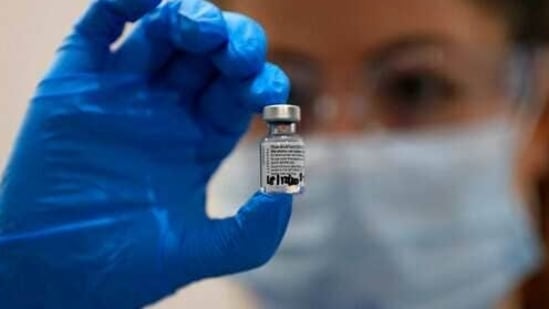
The revised advistory for Covid treatment - 'Clinical Guidance for Management of Adult COVID-19 Patients' - issused by AIIMS, ICMR-COVID-19 National Task Force and Joint Monitoring Group (DGHS) under the Union health ministry advises against the improper use of steroids and says persistent cough for more than two-three weeks should be investigated. It also explained what should be done in case of mild, moderate and severe disease. (AP)
2/8
 View Photos in a new improved layout
Updated on Jan 18, 2022 11:08 AM
In case of persistent cough for more than two-three weeks, it should be investigated for tuberculosis and other conditions, the guidelines said. (Shutterstock)
3/8
 View Photos in a new improved layout
Updated on Jan 18, 2022 11:08 AM
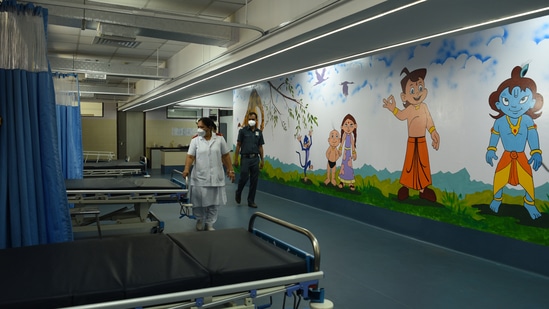
The revised guidelines also say that upper respiratory tract symptoms without shortness of breath or hypoxia have been categorised as mild disease and people showing these symptoms must go for home isolation and care. The guidelines added that mild Covid patients who face difficulty in breathing, have high-grade fever, or severe cough lasting for more than five days should seek immediate medical attention. (BACHCHAN KUMAR/HT PHOTO)
4/8
 View Photos in a new improved layout
Updated on Jan 18, 2022 11:08 AM
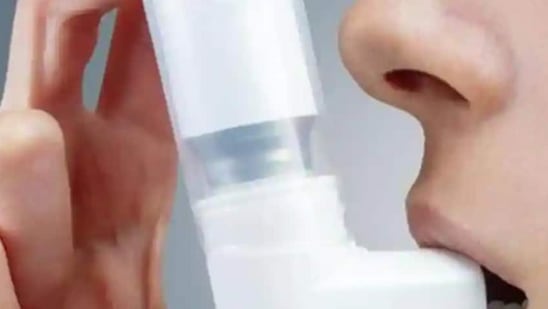
Covid patients who experience breathlessness with a fluctuating oxygen saturation between 90-93 per cent are advised to get admitted and they will be considered moderate cases. They are recommended oxygen support. (Shutterstock)
5/8
 View Photos in a new improved layout
Updated on Jan 18, 2022 11:08 AM
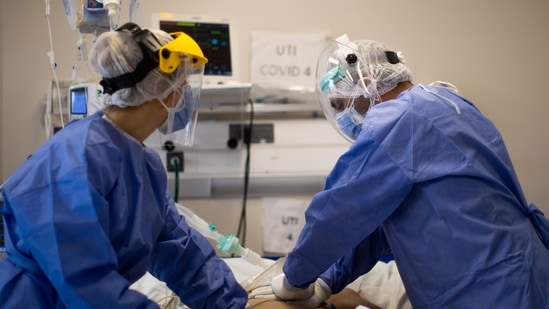
Respiratory rate over 30 per minute, breathlessness or oxygen saturation lower than 90 per cent on room air should be considered a severe disease and such patients have to be admitted to an ICU considering they would require respiratory support, as per the guidelines. “Seek immediate medical attention if: Difficulty in breathing or SpO2 <93%; and high grade fever or severe cough, particularly if lasting for >5 days (a low threshold to be kept for those with any of the high-risk features),” they said. (Tomas Cuesta / Getty Images)
6/8
 View Photos in a new improved layout
Updated on Jan 18, 2022 11:08 AM
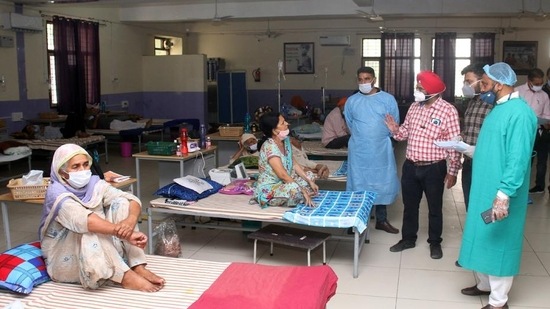
Among therapies at home based on low certainty of evidence, especially for those with high-risk of disease progression, the guidelines recommend inhalational budesonide (given via metered dose inhaler/dry powder inhaler) at a dose of 800 mcg BD (twice a day) for five days if symptoms (fever, and or, cough) persist more than five days.
7/8
 View Photos in a new improved layout
Updated on Jan 18, 2022 11:08 AM
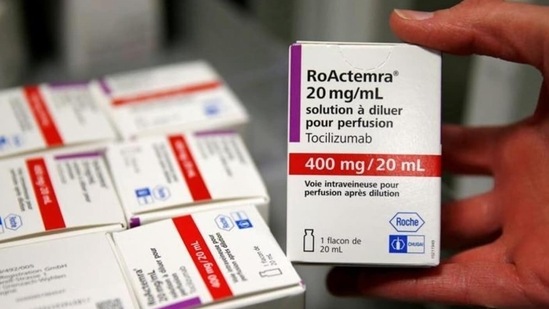
Tocilizumab may be considered for those patients who have significantly raised inflammatory markers, and are not showing improvement despite the use of steroids with there being no active bacterial, fungal or tubercular infection, the guidelines said.
8/8
 View Photos in a new improved layout
Updated on Jan 18, 2022 11:08 AM


