
 E-Paper



Photos: Horrors of Auschwitz, 75 years after its liberation
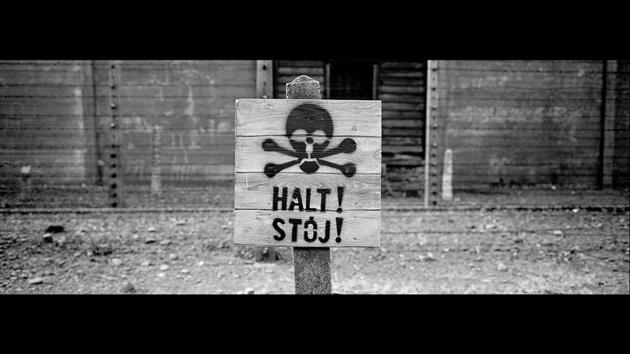
On January 27, 2020 –75 years after its liberation –hundreds of survivors from across the world will come back to visit Auschwitz for the official anniversary commemorations. In advance of that, Associated Press photographer Markus Schreiber visited the site. Using a panoramic camera with analog film, he documented the remains of the camp in a series of haunting black and white photos.
Updated on: Jan 24, 2020 6:11 PM IST


Share via


Copy link

1/13
 View Photos in a new improved layout
Updated on Jan 24, 2020 6:11 PM
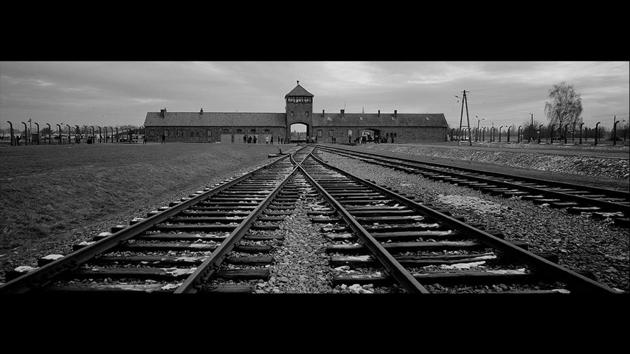
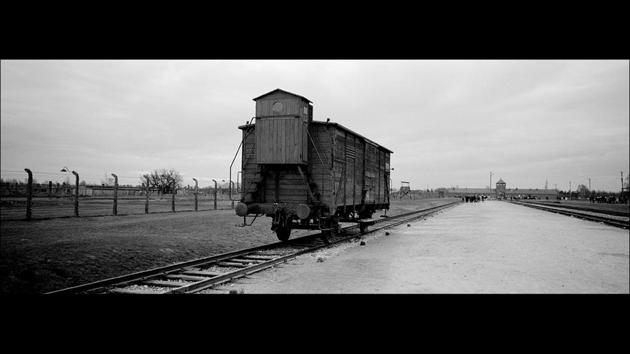
The railway tracks from where hundreds of thousands of people were directed to the gas chambers, inside the former Nazi death camp of Auschwitz Birkenau in Oswiecim, Poland. On January 27, 1945, the Soviet Red Army liberated Auschwitz in German-occupied Poland. The Germans had already fled westward, leaving behind the bodies of prisoners who had been shot and thousands of sick and starving survivors. (Markus Schreiber / AP)
2/13
 View Photos in a new improved layout
Updated on Jan 24, 2020 6:11 PM
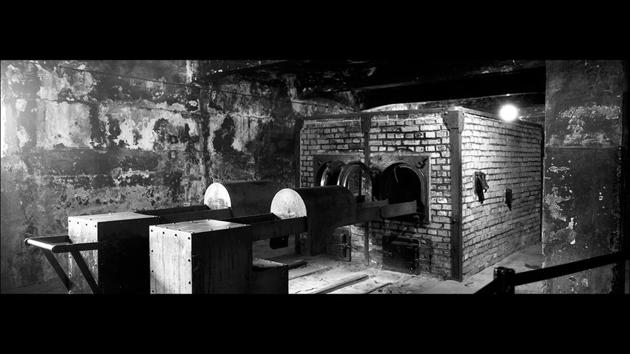
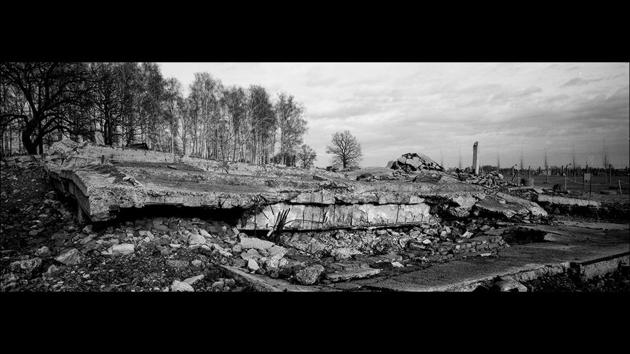
The crematorium near gas chamber one at the former Nazi death camp of Auschwitz I. The Soviet troops found gas chambers and crematoria that the Germans had blown up before fleeing in an attempt to hide evidence of mass killings. (Markus Schreiber / AP)
3/13
 View Photos in a new improved layout
Updated on Jan 24, 2020 6:11 PM
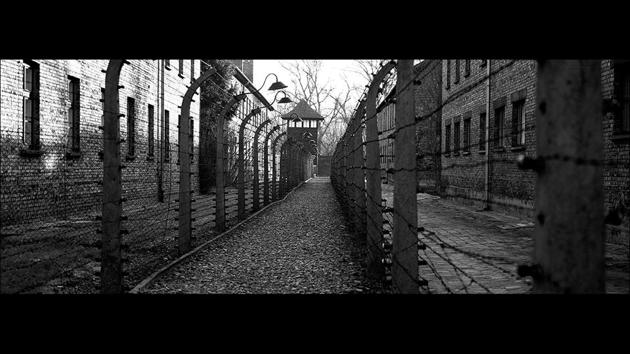
A pathway leading to an observation and security tower between what were electric barbed wire fences inside Auschwitz I. The genocide was too massive to hide. Today, the site of Auschwitz-Birkenau endures as the leading symbol of the terror of the Holocaust. (Markus Schreiber / AP)
4/13
 View Photos in a new improved layout
Updated on Jan 24, 2020 6:11 PM
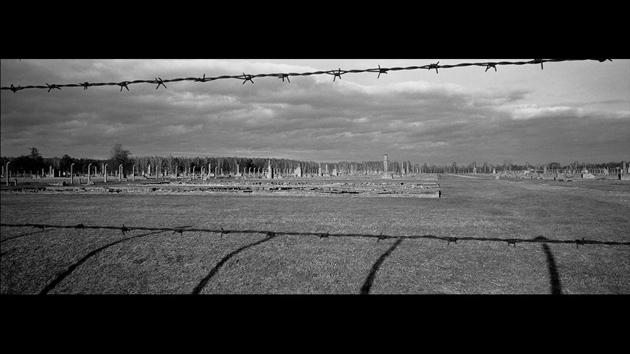
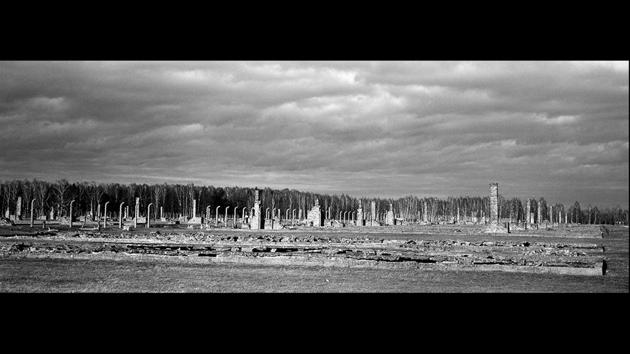
The remains of brick stone chimneys of prisoner barracks. Auschwitz-Birkenau’s iconic status is such that every year it registers a record number of visitors—2.3 million last year alone. On Monday, 75 years after its liberation—hundreds of survivors from across the world will travel to Auschwitz for official anniversary commemorations. (Markus Schreiber / AP)
5/13
 View Photos in a new improved layout
Updated on Jan 24, 2020 6:11 PM
Before official anniversary commemorations, Associated Press photographer Markus Schreiber visited the site. Using a panoramic film camera, he documented the remains of the camp in a series of haunting black and white photos. (Markus Schreiber / AP)
6/13
 View Photos in a new improved layout
Updated on Jan 24, 2020 6:11 PM
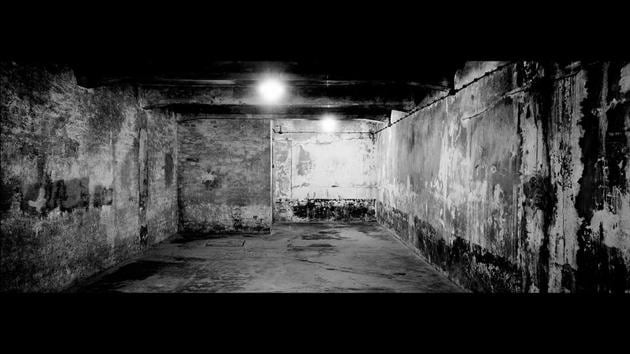
A view inside gas chamber one at Auschwitz I. Auschwitz is in fact not one camp, but two: Auschwitz I, built in an abandoned Polish military base, and Auschwitz II, or Birkenau, a much bigger complex that went up later about three kilometers away to expedite the Nazis’ Final Solution. (Markus Schreiber / AP)
7/13
 View Photos in a new improved layout
Updated on Jan 24, 2020 6:11 PM
The remains of brick stone chimneys of prisoner’s barracks inside Auschwitz Birkenau or Auschwitz II. Auschwitz today is many things at once: an emblem of evil, a site of historical remembrance and a vast cemetery. It is a place where Jews make pilgrimages to pay tribute to ancestors whose ashes and bones remain part of the earth. (Markus Schreiber / AP)
8/13
 View Photos in a new improved layout
Updated on Jan 24, 2020 6:11 PM
Prisoners arrived in cramped, windowless cattle trains. At the infamous ramp at Auschwitz, the Nazis selected those they could use as forced labourers. The others—old people, many women and especially children and babies, were gassed to death soon after their arrival. (Markus Schreiber / AP)
9/13
 View Photos in a new improved layout
Updated on Jan 24, 2020 6:11 PM
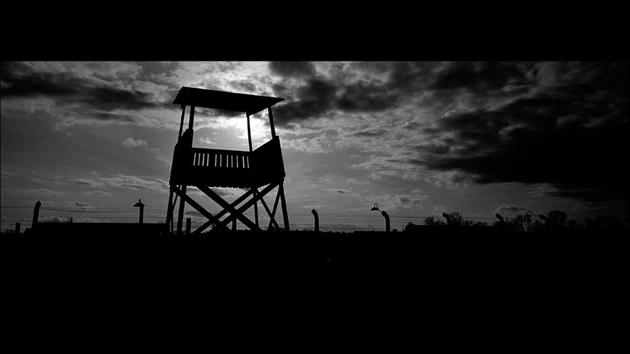
An observation tower stands inside Auschwitz Birkenau. It is Birkenau that shocks more profoundly, a flat, vast space still ringed by the silver birch trees (Birken in German) that gave the place its name. Crematoria lie in rubble but still intact are the rail tracks and watchtowers and some of the barracks where prisoners slept in cold, cramped conditions. (Markus Schreiber / AP)
10/13
 View Photos in a new improved layout
Updated on Jan 24, 2020 6:11 PM
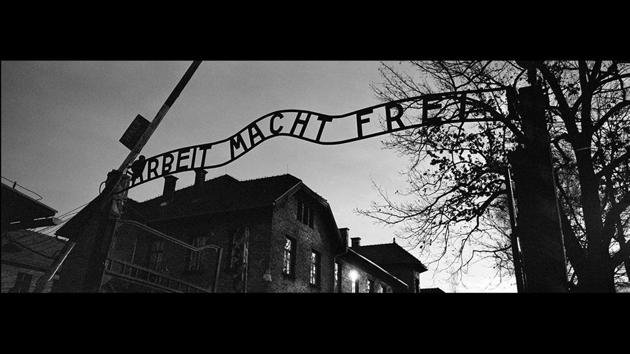
The notorious main gate at the former Nazi death camp of Auschwitz with the cynical Nazi slogan “Arbeit Macht Frei”— a German phrase meaning “work will set you free.” (Markus Schreiber / AP)
11/13
 View Photos in a new improved layout
Updated on Jan 24, 2020 6:11 PM
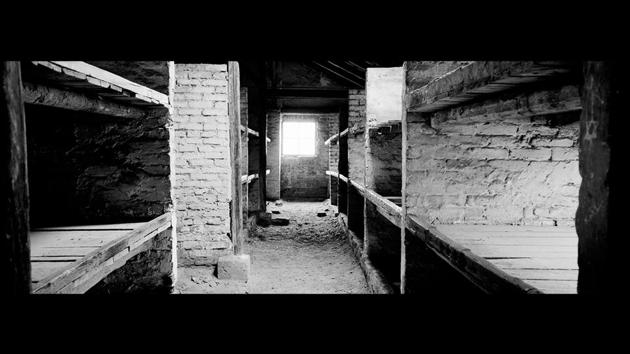
A view inside a prisoner barracks in Auschwitz Birkenau. Today, visitors can also see the suitcases, eyeglasses and other items they brought on their journeys. Especially haunting are the prosthetic limbs: Many of the Jews who were murdered had fought for their homelands, including Germany, in World War I. (Markus Schreiber / AP)
12/13
 View Photos in a new improved layout
Updated on Jan 24, 2020 6:11 PM
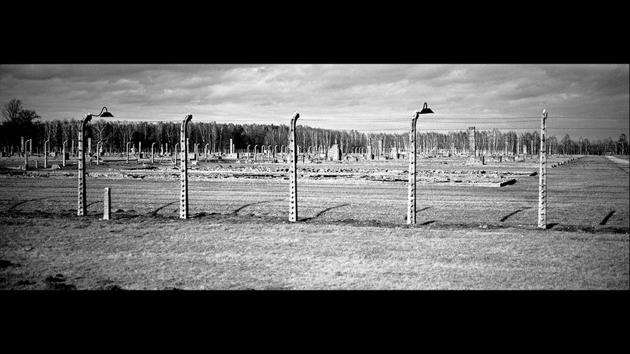
At some parts of Auschwitz-Birkenau only dozens of brick chimneys remain on a vast field where once the barracks for detainees stood. (Markus Schreiber / AP)
13/13
 View Photos in a new improved layout
Updated on Jan 24, 2020 6:11 PM


