
 E-Paper



Photos: Near-religious experience for foreign judo pilgrims in Japan
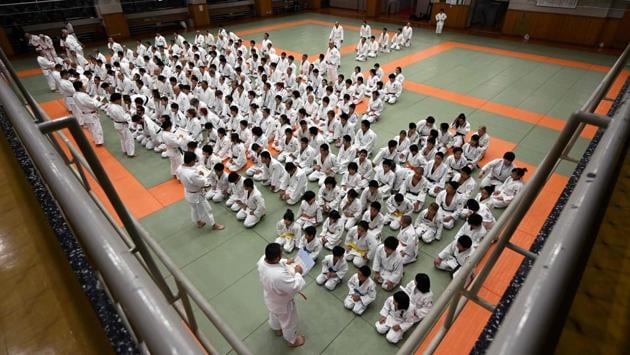
Judo lovers all over the world undertake a pilgrimage to Tokyo's Kodokan for “Kangeiko,” or Winter Training. They train for 10 consecutive days, starting at 5:30am sharp. Despite its global fame in the world of judo, the training is open to all -- no matter where they come from -- and anyone can train with anyone else regardless of age or standard. Head coach at the Kodokan, Motonari Sameshima, admitted there was a language barrier but stressed that judo was "a genuinely physical activity" that transcends language.
Updated on: Feb 18, 2020 7:22 PM IST


Share via


Copy link

1/8
 View Photos in a new improved layout
Updated on Feb 18, 2020 7:22 PM
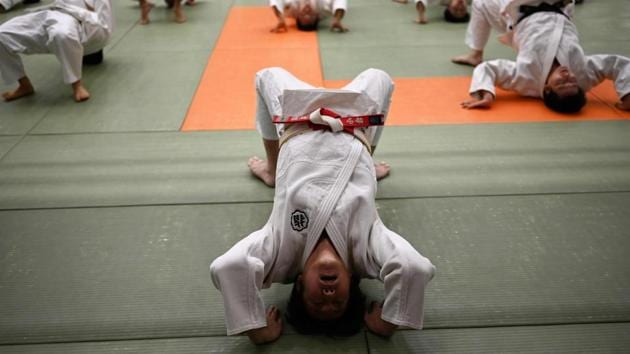
Judokas attend “Kangeiko,” the Winter Training, at Kodokan in Tokyo, Japan. For judo lovers all over the world who make the pilgrimage to Kodokan, it's an emotional experience to tread the hallowed mats -- a unique chance to train at the sport's Mecca. Many spend small fortunes just to experience the thrill of throwing opponents where judo began and others have been known to break down in tears when they realise a life’s dream. (Behrouz Mehri / AFP)
2/8
 View Photos in a new improved layout
Updated on Feb 18, 2020 7:22 PM
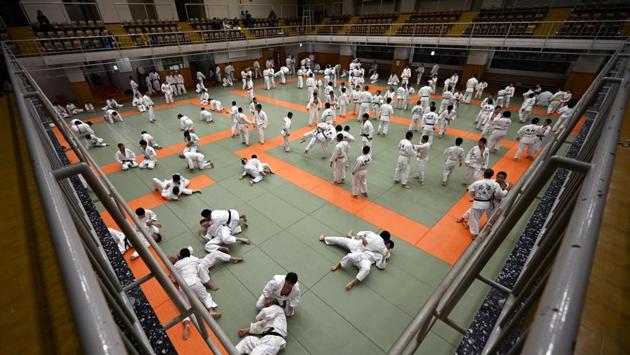
“It’s everything that is judo,” said Emyr Rees, a 29-year-old from Llanelli in South Wales, who said he has been dreaming of coming to the Kodokan since he started the sport 16 years ago. “Just the chance to be on the mat here, training with all these great instructors, learning from them. People from all over the world coming together, learning from each other, which is exactly one of the maxims of judo,” Rees told AFP. (Behrouz Mehri / AFP)
3/8
 View Photos in a new improved layout
Updated on Feb 18, 2020 7:22 PM
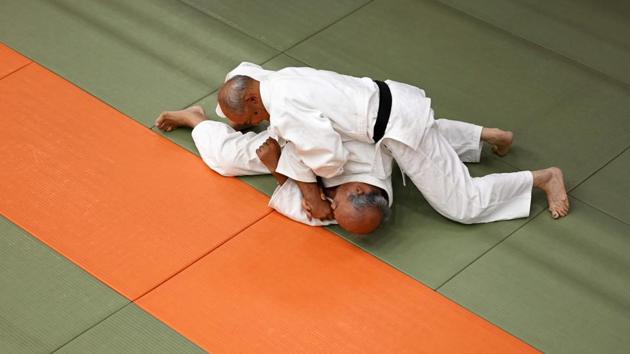
The pinnacle for any judoka is to train at the iconic “Kangeiko,” or Winter Training, 10 consecutive days of judo starting at 5:30am sharp that is not for the faint-hearted. But despite its global fame in the world of judo, the training is open to all—no matter where they come from—and anyone can train with anyone else regardless of age or standard. (Behrouz Mehri / AFP)
4/8
 View Photos in a new improved layout
Updated on Feb 18, 2020 7:22 PM
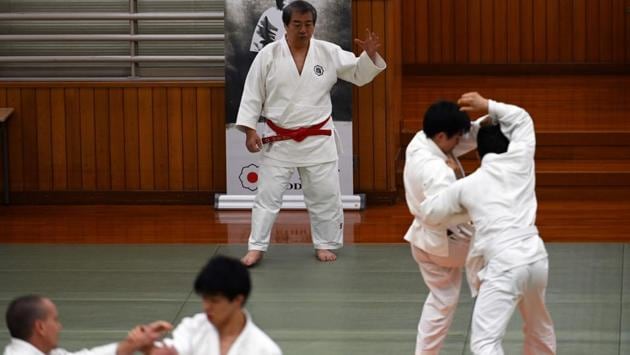
Head coach at the Kodokan, Motonari Sameshima, 70, said many foreigners are overcome with emotion when they step onto the tatami for the first time, bowing to the statue of the sport’s founder Jigoro Kano, before they do so. “One French woman even cried at the entrance. She said ‘Finally, I have got here after saving up. She stood there at the entrance weeping. I myself became emotional watching her. That’s what this place does.” (Behrouz Mehri / AFP)
5/8
 View Photos in a new improved layout
Updated on Feb 18, 2020 7:22 PM
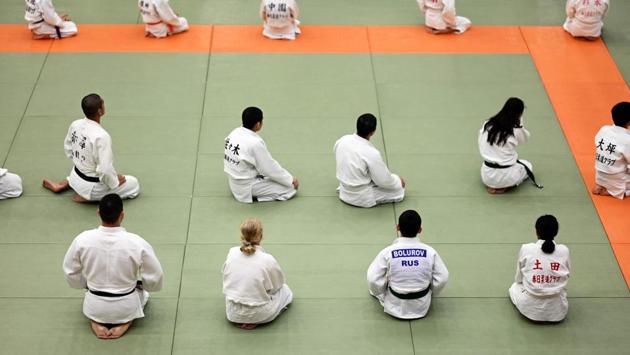
For the “Kangeiko”, an English-speaking coach guides the foreign judoka through the rituals and explains the various groups they can join: free practice or “randori,” women’s only training, specialised throws. But foreigners are not excused from the traditional role-call, nor the president’s New Year speech in Japanese, nor the strenuous warm-up guided by one of the youngest judoka. (Behrouz Mehri / AFP)
6/8
 View Photos in a new improved layout
Updated on Feb 18, 2020 7:22 PM
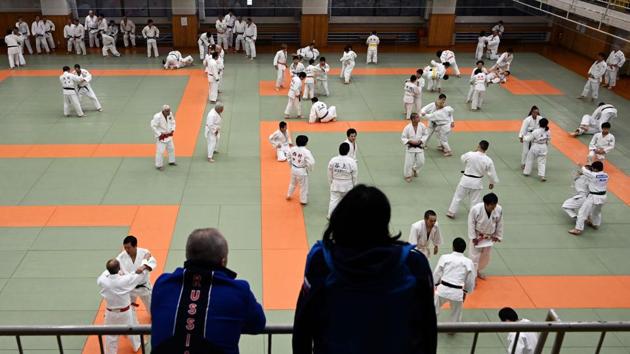
People from Russia watch the judo Winter Training. Coach Sameshima admitted there was a language barrier but stressed that judo was “a genuinely physical activity” that transcends language. “Even if they don’t know the language, they throw and they are thrown. We feel pain, of course, when we are thrown, but we can get a connection with each other by doing so,” he said. (Behrouz Mehri / AFP)
7/8
 View Photos in a new improved layout
Updated on Feb 18, 2020 7:22 PM
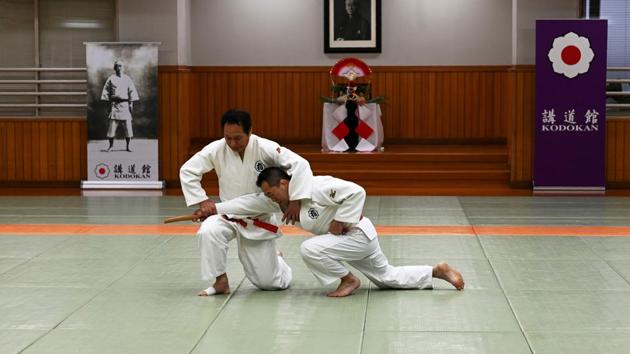
Judo masters demonstrate techniques in front of a picture of judo's founder Jigoro Kano, during the Winter Training. On the day AFP visited, there were at least a dozen foreign judoka grappling at the Kodokan, from Australia, the United States, Germany, France, Britain and Brazil. Over the 10-day Kangeiko, 50 had registered from 16 countries. (Behrouz Mehri / AFP)
8/8
 View Photos in a new improved layout
Updated on Feb 18, 2020 7:22 PM


