

 E-Paper


Photos: Rohingya rape survivors’ babies quietly arrive
More than 10 months have passed since Myanmar’s security forces launched a sweeping campaign of rape and other brutalities against the Rohingya in the Rakhine state, and the babies conceived during those assaults have been born in camps across Bangladesh. For many of their mothers, the births have been tinged with fear — not only because the infants are reminders of the horrors they survived, but because their community often views rape as shameful, and bearing a baby conceived by Buddhists as sacrilege.
1 / 11
 View Photos in a new improved layout
Updated on Jul 14, 2018 10:27 am IST
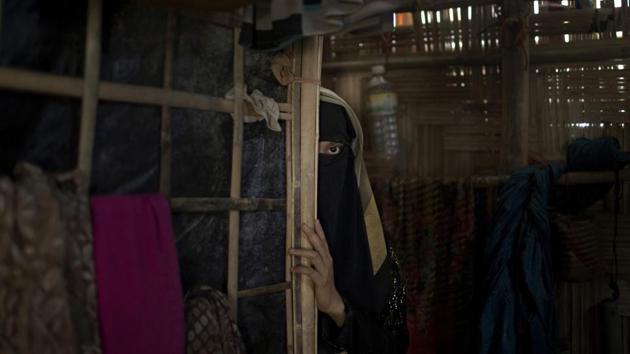
“A,” a 13-year old Rohingya, in Jamtoli refugee camp in Bangladesh. Soldiers had broken into her home back in Myanmar and raped her. Ever since, she had waited for her period to arrive. Gradually, she came to realize that it would not. The pregnancy was a prison she was desperate to escape. The rape itself had destroyed her innocence. But the baby of a Buddhist soldier could destroy her life. (Wong Maye-E / AP)
2 / 11
 View Photos in a new improved layout
Updated on Jul 14, 2018 10:27 am IST
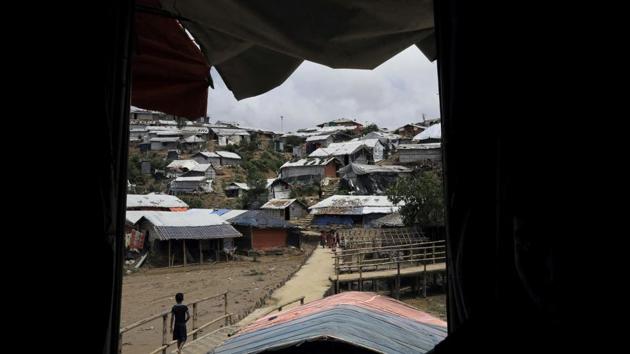
A boy walks over a bridge in Chakmarkul refugee camp. More than 10 months have passed since Myanmar’s security forces launched a campaign of rape and other brutalities against the Rohingya. Now, the babies from those assaults are being born. For many mothers, the births are tinged with fear. Not only are the infants reminders of their horrors, but the community often views rape as shameful, and bearing a baby conceived by Buddhists as sacrilege. (Wong Maye-E / AP File)
3 / 11
 View Photos in a new improved layout
Updated on Jul 14, 2018 10:27 am IST
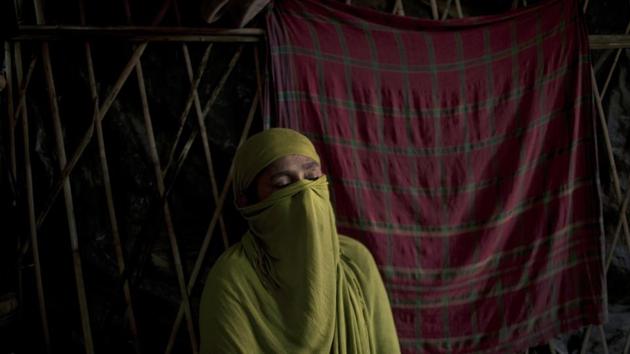
“D” recounts her experience of the rape which she endured being so severe, that she had to wrap a supportive scarf around her battered pelvis to endure the days-long walk to Bangladesh, as she speaks to The Associated Press in her shelter in Kutupalong refugee camp, Bangladesh. (Wong Maye-E / AP)
4 / 11
 View Photos in a new improved layout
Updated on Jul 14, 2018 10:27 am IST
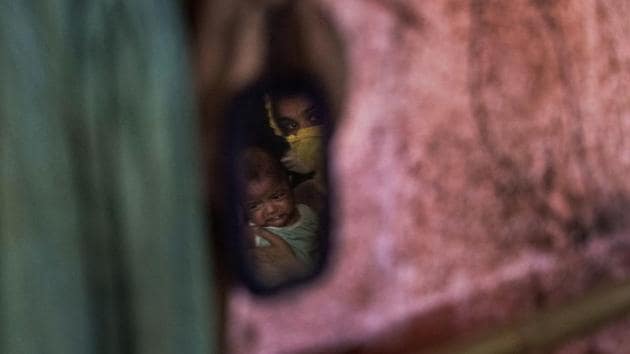
Theirs is a misery spoken of only in murmurs. Some women ended their pregnancies early by taking cheap abortion pills available throughout the camps. Others gave birth to unloved babies; some agonized over whether to give them away. (Wong Maye-E / AP)
5 / 11
 View Photos in a new improved layout
Updated on Jul 14, 2018 10:27 am IST
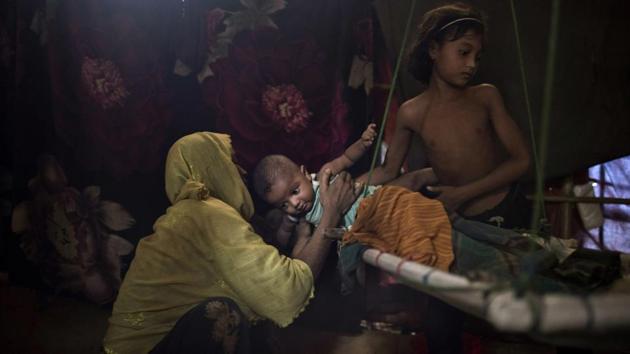
“M” refuses to carry her baby boy, and has her daughter take him away. She was raped by six soldiers after they strangled her 2-year-old son to death. She later found out she was pregnant and eventually gave birth to a child whom she only pretends to love. After she told her husband what had happened, he blames her for the rape and wants nothing to do with her or the baby. (Wong Maye-E / AP)
6 / 11
 View Photos in a new improved layout
Updated on Jul 14, 2018 10:27 am IST
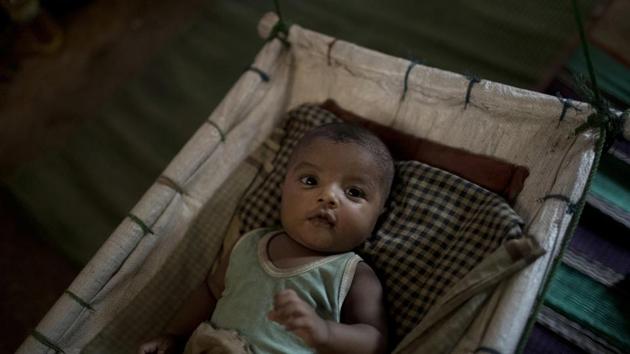
For the women who became pregnant during last year’s wave of attacks in Myanmar’s Rakhine state, to speak the truth is to risk everything. Because of that, no one knows how many rape survivors have given birth. “They will not come forward for antenatal checkups — they will try to hide their pregnancy,” said Medecins Sans Frontieres midwife Daniela Cassio. “I’m sure many have also died during the pregnancy or during the delivery.” (Wong Maye-E / AP)
7 / 11
 View Photos in a new improved layout
Updated on Jul 14, 2018 10:27 am IST
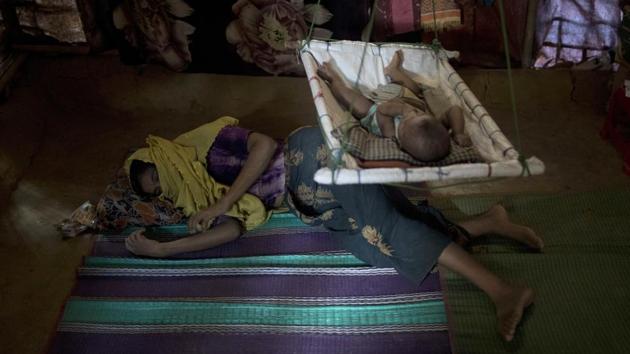
“M” lays on the floor of her shelter, uninterested. With her other pregnancies, she excitedly counted the days until delivery. With this baby, she paid no attention. She felt detached from the life growing inside her. When the infant finally arrived, he looked nothing like her other children. In his eyes, she saw her rapists. To look at him was to relive her attack, over and over again. (Wong Maye-E / AP)
8 / 11
 View Photos in a new improved layout
Updated on Jul 14, 2018 10:27 am IST
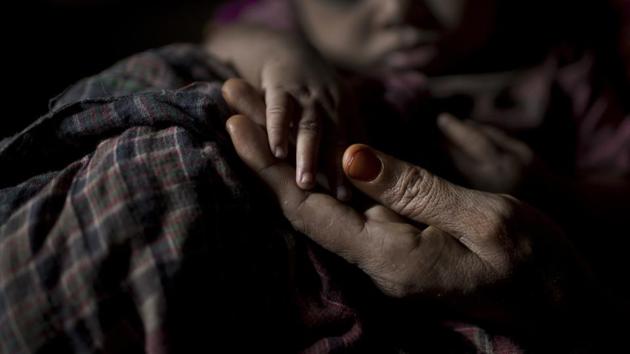
“S” holds her baby boy's hand as she sits in her shelter in Kutupalong refugee camp. A widow, “S” was so worried about her neighbours discovering her pregnancy that she suffered silently through labor in her shelter, stuffing a scarf in her mouth to swallow her screams. To give birth to a child without a husband was to invite admonishment. (Wong Maye-E / AP)
9 / 11
 View Photos in a new improved layout
Updated on Jul 14, 2018 10:27 am IST
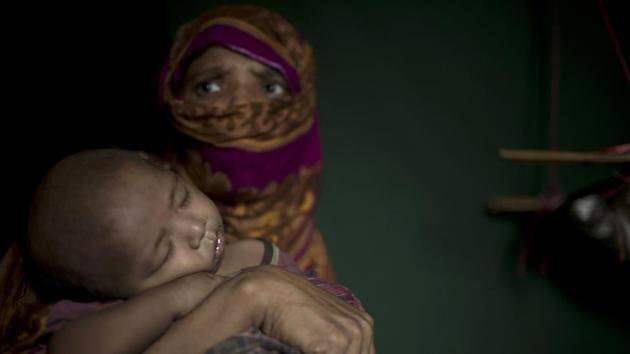
For some rape survivors, the idea of giving birth to a child conceived by someone other than a Muslim felt like a fate worse than death. So they turned to clinics and makeshift pharmacies set up in the camps for abortion drugs they hoped could end their agony. (Wong Maye-E / AP)
10 / 11
 View Photos in a new improved layout
Updated on Jul 14, 2018 10:27 am IST
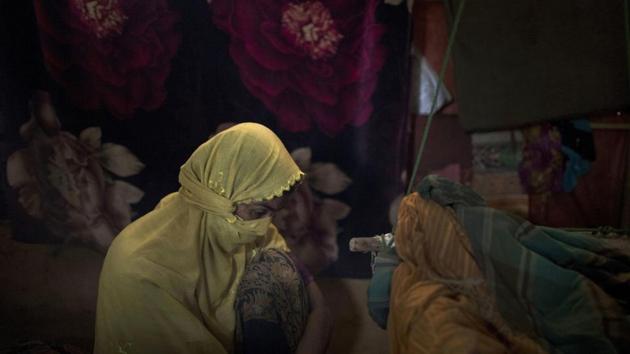
“M” who says her life is meaningless, sits in her shelter. Slowly, a few women have forgiven themselves, though there was never anything to forgive. Many who had abortions or gave birth, carried the weight of shame. Now, with the help of aid workers and emboldened themselves, some have begun to share their stories, focusing their fury on the men who brutalized them, rather than themselves. (Wong Maye-E / AP)
11 / 11
 View Photos in a new improved layout
Updated on Jul 14, 2018 10:27 am IST