
 E-Paper



Photos: Women bear the brunt of climate change in Angola
The Huila province of Angola has been hit by drought after lack of rain for several years running dried up most water sources and devastated crops across the southern Africa region, where some 45 million people face growing hunger. The dry spell was followed by violent and erratic downpours that saturated the soil. Most men from the area have migrated to towns and cities in search of work, so it is left to the women to try to fill their children's rumbling stomachs.
Updated on: Mar 12, 2020 4:28 PM IST


Share via


Copy link

1/7
 View Photos in a new improved layout
Updated on Mar 12, 2020 4:28 PM
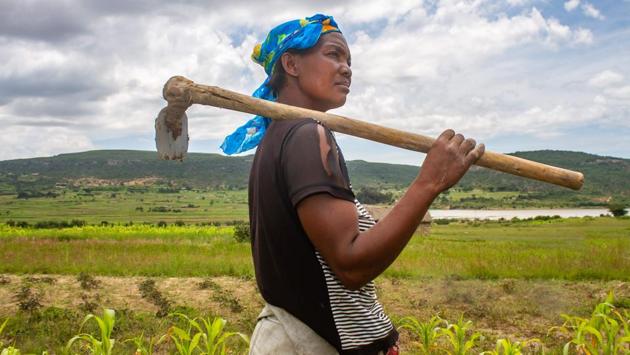
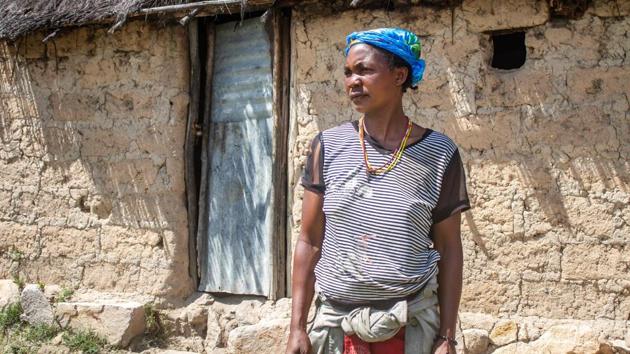
Mousaka Fernanda seen in a village near Lubango in Angola. Huila province has been hit by drought after lack of rain for several years running dried up most water sources and devastated crops across the southern Africa region, where some 45 million people face growing hunger, the United Nations warns. (Osvaldo Silva / AFP)
2/7
 View Photos in a new improved layout
Updated on Mar 12, 2020 4:28 PM
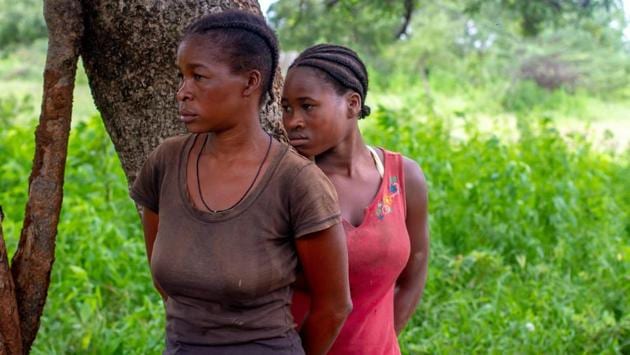
Ceu Jacinta (L) and her daughter Cristina Canaino (R) seen in a village. The dry spell was followed by violent and erratic downpours that saturated the soil. Most men from the area have migrated to towns and cities in search of work, so it is left to the women to try to fill their children’s rumbling stomachs. (Osvaldo Silva / AFP)
3/7
 View Photos in a new improved layout
Updated on Mar 12, 2020 4:28 PM
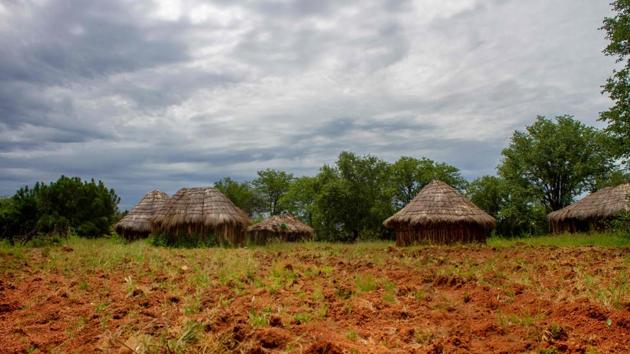
A field is seen next to houses in a village near Lubango. Aid workers have said that some young girls are resorting to sex in a desperate quest for money and food. (Osvaldo Silva / AFP)
4/7
 View Photos in a new improved layout
Updated on Mar 12, 2020 4:28 PM
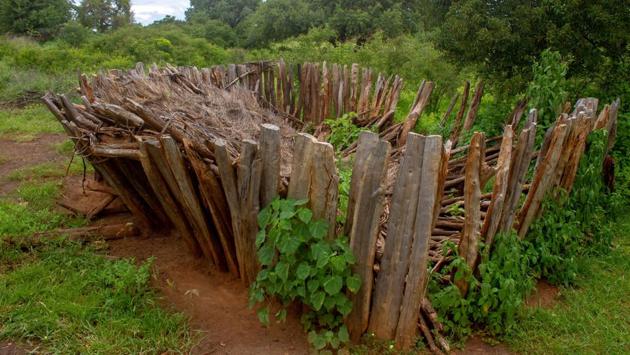
A house that was completely destroyed during heavy rains is seen in a village near Lubango. “Climate change has a huge impact on the lives of women, especially women and girls of reproductive health age,” said Florbela Fernandes, Angola representative for the UN Population Fund (UNFPA). Crises caused by extreme weather events disproportionately affect “vulnerable groups”. “It also increases their exposure to violence and abuse,” she added. (Osvaldo Silva / AFP)
5/7
 View Photos in a new improved layout
Updated on Mar 12, 2020 4:28 PM
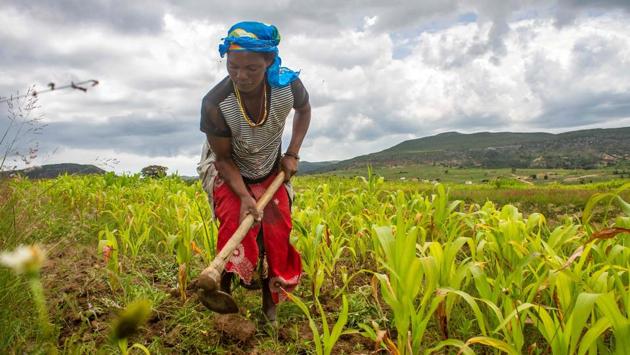
Women make up 80 percent of the people displaced by climate change, according to the UN. When he comes home he finds hunger... and I do my own thing,” said Fernanda, feet sinking into the mud as she pulled weeds from her maize field. The little she had to show of her plants were knee-high and wilted. Yellowed leaf tips suggested roots were rotting below the surface. (Osvaldo Silva / AFP)
6/7
 View Photos in a new improved layout
Updated on Mar 12, 2020 4:28 PM
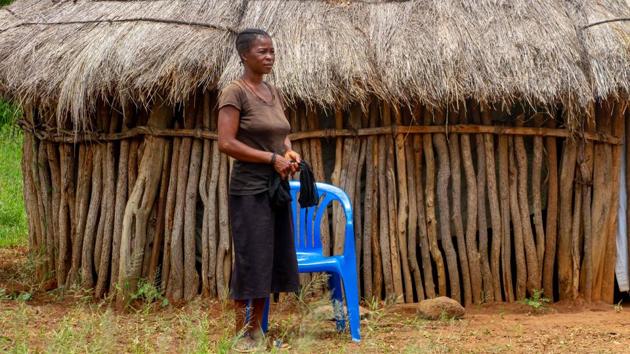
Ceu Jacinta seen next to her house in a village. Speaking in local Nhanheca, Jacinta said that she, too, was seeking paid work to resume her children’s education. But everyday struggles keep getting in the way. After Jacinta’s crops were damaged by the rains, their thatched wooden hut collapsed due to dampness and lack of maintenance. “If my husband had been around,” said Jacinta. “I don’t believe my house would have fallen this way. (Osvaldo Silva / AFP)
7/7
 View Photos in a new improved layout
Updated on Mar 12, 2020 4:28 PM


