

 E-Paper


Glimpses of solar flares
1 / 9
 View Photos in a new improved layout
Updated on Mar 09, 2012 08:38 pm IST
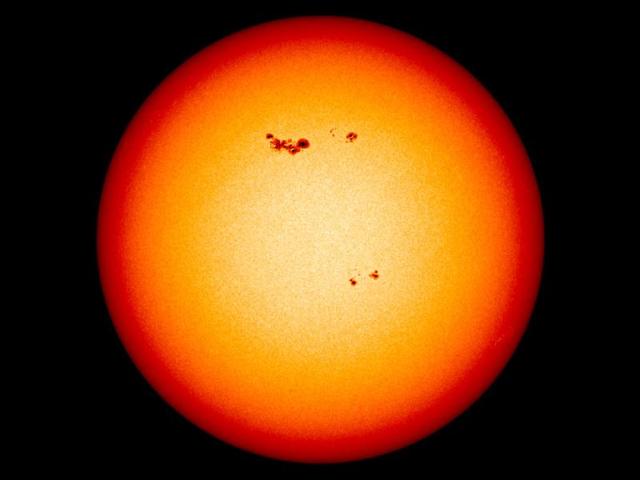
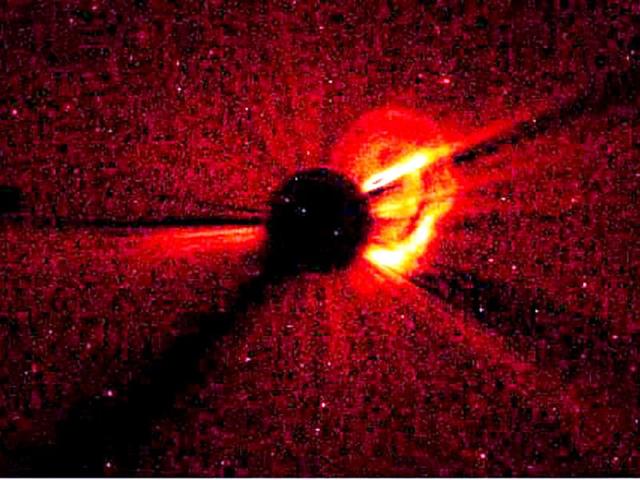
Nasa handout image shows the sun acquired by the solar and heliospheric observatory on March 8, 2012. A massive solar storm of charged particles, which scientists claimed to be the largest in five years, hit the earth. Reuters/SDO/Nasa/Handout
2 / 9
 View Photos in a new improved layout
Updated on Mar 09, 2012 08:38 pm IST
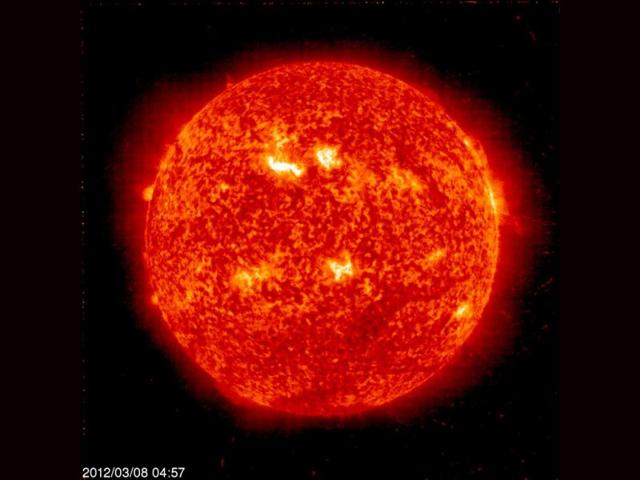
Nasa handout image shows the sun acquired by the solar and heliospheric observatory on March 8, 2012. A massive solar storm of charged particles, which scientists claimed to be the largest in five years, hit the earth. Reuters/SOHO/Nasa/Handout
3 / 9
 View Photos in a new improved layout
Updated on Mar 09, 2012 08:38 pm IST
National Oceanic and Atmospheric Administration (NOAA) handout image shows the sun's activity on March 8, 2012. A massive solar storm of charged particles, which scientists claimed to be the largest in five years, hit the earth. Reuters/NOAA/Handout
4 / 9
 View Photos in a new improved layout
Updated on Mar 09, 2012 08:38 pm IST
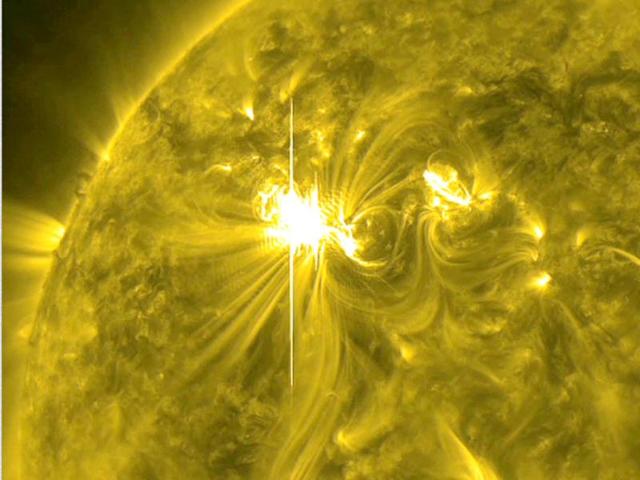
The sun erupts with one of the largest solar flares of this solar cycle in this Nasa handout photo taken on March 6, 2012. Reuters/Nasa/SD0/AIA/Handout
5 / 9
 View Photos in a new improved layout
Updated on Mar 09, 2012 08:38 pm IST
The sun erupts with one of the largest solar flares of this solar cycle in this multi-colored Nasa handout photo taken on March 6, 2012. Reuters/Nasa /SD0/AIA/Handout
6 / 9
 View Photos in a new improved layout
Updated on Mar 09, 2012 08:38 pm IST
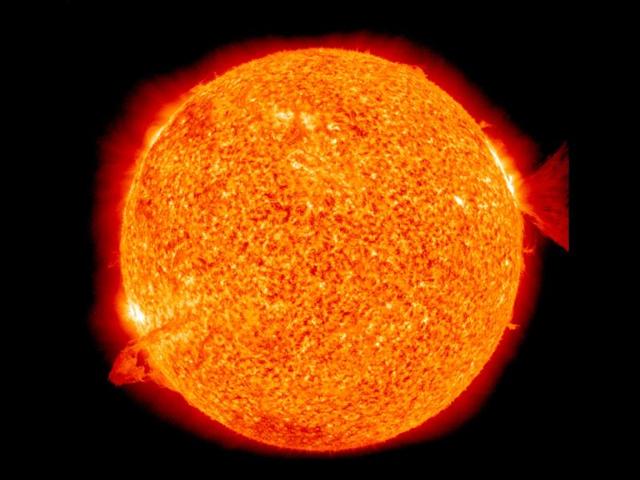
This image of the sun, captured by The Solar Dynamics Observatory spacecraft on January 28, 2011, shows nearly simultaneous solar eruptions on opposite sides of the sun (photograph released by Nasa). A filament on the left side became unstable and erupted, while an M-1 flare and a coronal mass ejection on the right blasted into space. Reuters/Nasa/Handout
7 / 9
 View Photos in a new improved layout
Updated on Mar 09, 2012 08:38 pm IST
A handout picture shows Coronal Mass Ejection as viewed by the solar dynamics observatory on June 7, 2011. The sun unleashed an M-2 (medium-sized) solar flare, an S1-class (minor) radiation storm and a spectacular coronal mass ejection (CME) from sunspot complex 1226-1227. Reuters/Nasa/SDO/Handout
8 / 9
 View Photos in a new improved layout
Updated on Mar 09, 2012 08:38 pm IST
Aurora Australis, or the 'Southern Lights', glow in the sky over the town of Glenn Ourua near Palmeston North, north of New Zealand's national capital Wellington on April 1, 2001. Four solar flares and a pair of powerful magnetic gas clouds spawned in a monster sunspot are believed to have produced this dazzling display. ReutersS/Stringer WB/JD
9 / 9
 View Photos in a new improved layout
Updated on Mar 09, 2012 08:38 pm IST