

 E-Paper


Universe through telescope
1 / 9
 View Photos in a new improved layout
Updated on Apr 18, 2012 09:01 pm IST
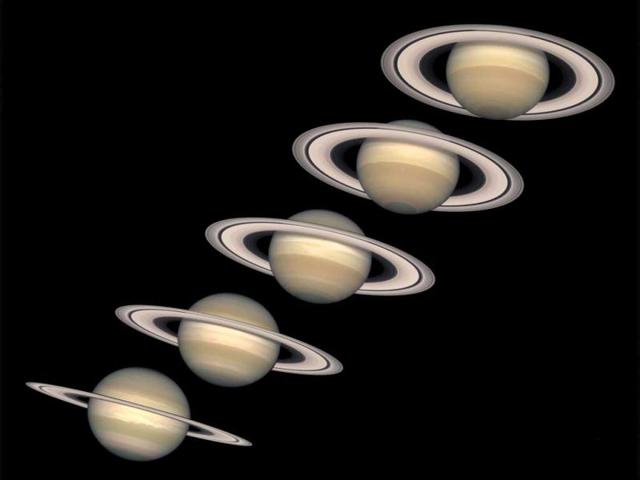
These Hubble space telescope images of Saturn, shown in this handout composite photo, captured from 1996 to 2000, depict the planet in different stages of its 29-year journey around the sun. Reuters/File
2 / 9
 View Photos in a new improved layout
Updated on Apr 18, 2012 09:01 pm IST
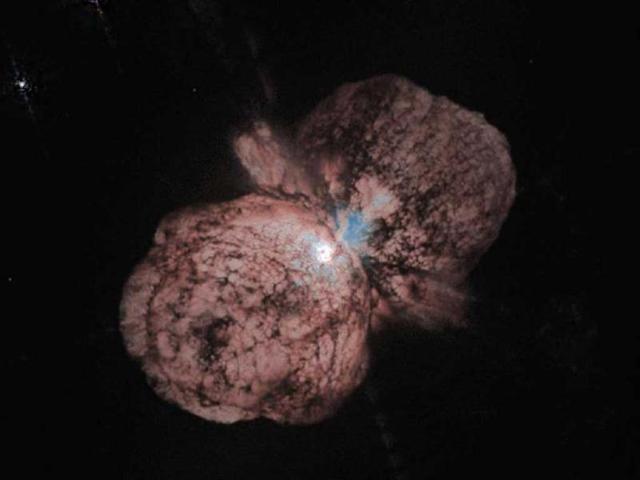
This is an undated handout image of the massive star Eta Carinae in our Milky Way galaxy that experts believe might explode in a supernova at any time, based on data from the Hubble space telescope. Reuters/File
3 / 9
 View Photos in a new improved layout
Updated on Apr 18, 2012 09:01 pm IST
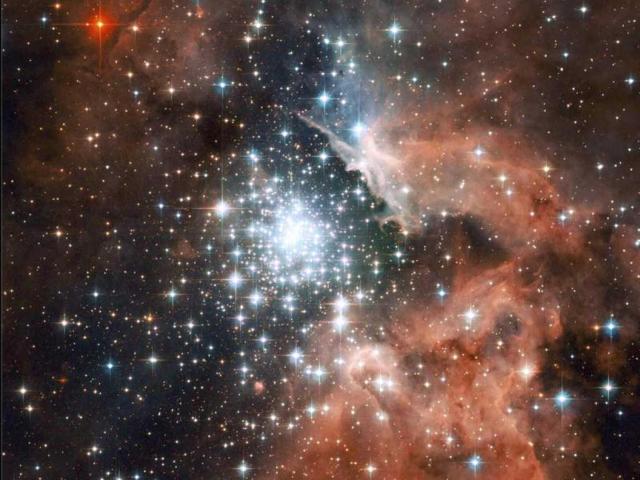
This Hubble space telescope image shows giant star-forming Nebula with massive young stellar clusters. Reuters/File
4 / 9
 View Photos in a new improved layout
Updated on Apr 18, 2012 09:01 pm IST
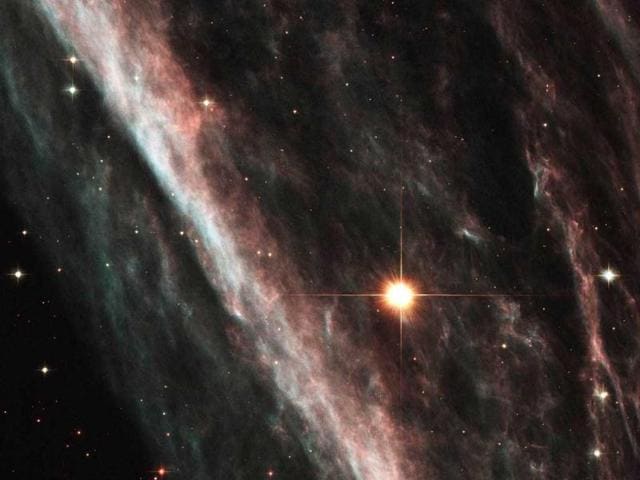
Remnants from a star that exploded thousands of years ago and created a celestial abstract portrait, as captured in this NASA Hubble space telescope image of the Pencil Nebula. Officially known as NGC 2736, the Pencil Nebula is part of the huge Vela supernova remnant, located in the southern constellation Vela. Reuters/File
5 / 9
 View Photos in a new improved layout
Updated on Apr 18, 2012 09:01 pm IST
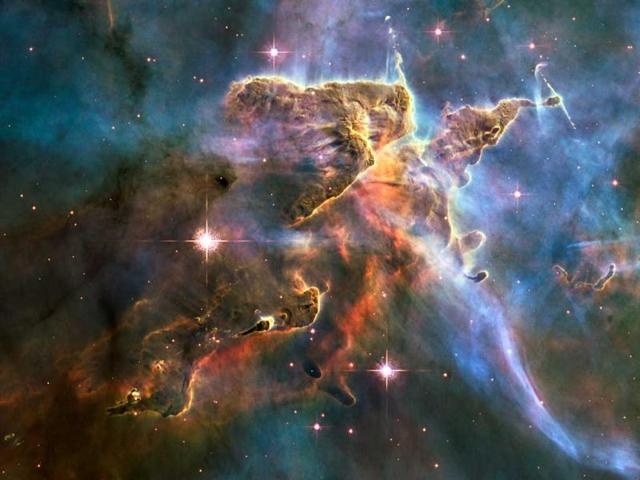
This NASA Hubble space telescope image captures the tempestuous stellar nursery called the Carina Nebula, located 7,500 light-years away from Earth in the southern constellation Carina. Reuters/File
6 / 9
 View Photos in a new improved layout
Updated on Apr 18, 2012 09:01 pm IST
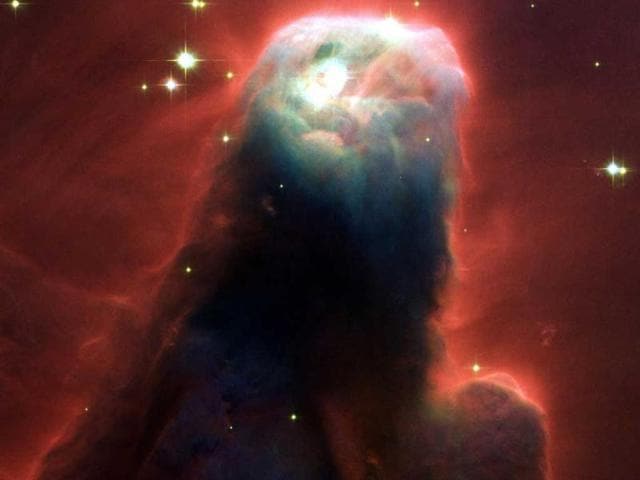
Jubilant astronomers unveiled humankind's most spectacular views of the universe as captured by the NASA Hubble space telescope's new Advanced Camera for Surveys (ACS). The Cone Nebula, M17 is pictured in this NASA handout photo. Reuters/File
7 / 9
 View Photos in a new improved layout
Updated on Apr 18, 2012 09:01 pm IST
A new view of the Whirlpool Galaxy, one of the two largest and sharpest images Hubble space telescope has ever taken. The new Whirlpool Galaxy image showcases the spiral galaxy's curving arms where newborn stars reside and its yellowish central core that serves as home for older stars. Reuters/File/NASA Handout
8 / 9
 View Photos in a new improved layout
Updated on Apr 18, 2012 09:01 pm IST
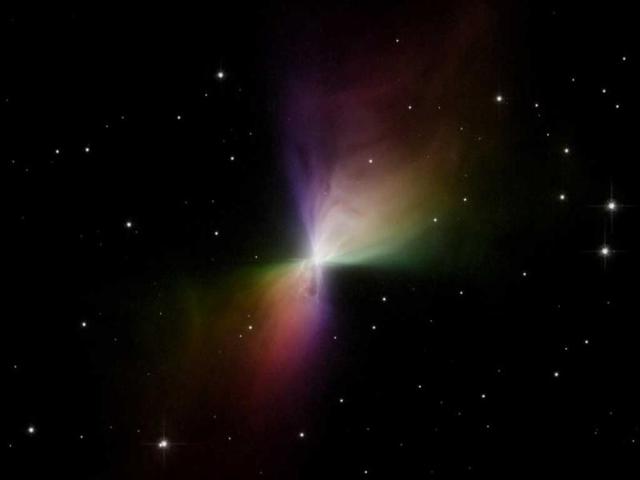
NASA's Hubble space telescope catches the Boomerang Nebula in this image taken with the Advanced Camera for Surveys in early 2005. Hubble's sharp view is able to resolve patterns and ripples in the nebula very close to the central star that are not visible from the ground. Reuters/File
9 / 9
 View Photos in a new improved layout
Updated on Apr 18, 2012 09:01 pm IST