
 E-Paper



Ultimate electric toothbrush buyer's guide: Features, benefits, and top picks to improve your oral health
Want to fix your dental health issues in a jiffy? Start with picking the right electric toothbrush for your needs. Find everything you need to know in our guide


Our Picks
FAQs
Our Picks
| Product | Rating | Price |
|---|---|---|
View Details  | ₹1,298 | |
 | ||
Oral-B iO3 Blue Ultimate Clean Electric Toothbrush for AdultsView Details | ₹5,325 | |
| ||
Unlock Personalized ₹217x 6 months₹1,298  100% Secure 100% Secure Flexible EMI Tenure Flexible EMI Tenure | ||
View Details | ₹697 | |
| ||
Oral B Vitality Rechargeable Rotating Electric Toothbrush for Adults, 2 Brushing Modes (Daily & Sensitive), 2 Min Timer with Quadpacer, 2 Year Warranty, IPX7 Water Resistant, Round Brush Head, (Black, 1)View Details | ₹1,699 | |
| ||
AGARO Cosmic Max Sonic Tooth Brush Black & AGARO Oral Irrigator, Portable, Cordless & Rechargeable, 200 Ml ComboView Details | ₹3,438 | |
| ||

Research-Backed Choices
Every product we recommend is chosen through a combination of Primary Research and Secondary Research.
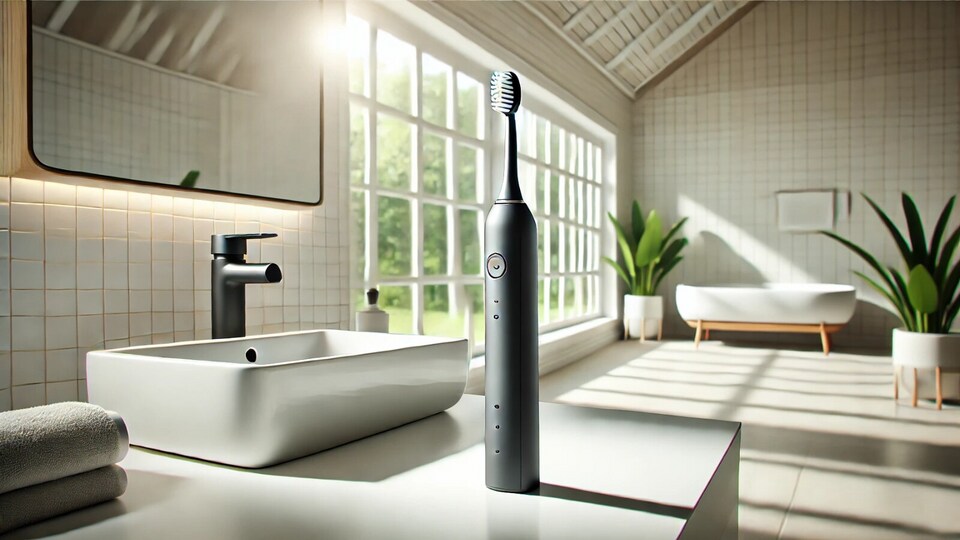
Maintaining good oral health goes beyond regular brushing and the tools you use play a huge role. Did you know that electric toothbrushes can remove up to 100% more plaque than manual brushing? This has made them a popular choice for those seeking to improve their oral hygiene routine. Electric toothbrushes are known for their effectiveness in cleaning, convenience, and ease of use.
There are several types of electric toothbrushes available, each offering unique features. Sonic toothbrushes use high-frequency vibrations to clean teeth while oscillating-rotating toothbrushes use a back-and-forth motion to dislodge plaque. Both types are great for people who want a deeper clean, but the choice depends on personal preference and specific oral health needs.
The goal of this guide is to help you make an informed decision when purchasing an electric toothbrush. Whether you’re upgrading from a manual toothbrush or switching to a more advanced model, we’ll break down the key factors to consider, ensuring you find the perfect match for your oral care needs.
Top picks curated for you:
Types of electric toothbrushes
| Type | How It Works | Pros | Cons |
| Sonic Toothbrushes | Uses high-frequency vibrations to clean teeth. | - Effective at removing plaque - May improve gum health - Compact and travel-friendly | - More expensive - Takes time to get used to the vibrations |
| Oscillating-Rotating | Features a rotating brush head that moves in circular motions. | - Generally more affordable - Gentler on sensitive gums | - May not be as effective for some people - Can be bulkier |
| Sonic-Electric Toothbrushes | Combines both sonic vibrations and oscillating-rotating motion. | - Offers a deep clean with both vibration and rotation - Versatile for various needs | - Can be more expensive - May be heavier than single-function models |
| Specialized Models | Includes toothbrushes designed for specific needs, such as sensitive teeth or whitening. | - Tailored for specific oral care needs - Often includes extra features like pressure sensors or timers | - Can be more expensive - May have fewer cleaning modes |
When selecting an electric toothbrush, it’s essential to consider a few key features that can impact both your brushing experience and long-term oral health. Here’s what to keep in mind:
Brush head
The brush head is arguably the most important part of your electric toothbrush. The bristles come in various types: soft, medium, and hard. It's highly recommended to choose soft bristles to avoid damaging your gums or enamel. Hard bristles can be too abrasive, especially for sensitive gums, leading to irritation or receding gums over time. Most dental professionals recommend soft bristles for everyday use.
Brush heads should be replaced every 3 months, as old bristles become less effective at cleaning and can even harbour bacteria. When shopping for an electric toothbrush, ensure it’s compatible with various brush heads, especially if you prefer different ones for specific needs like sensitive teeth or whitening.
Battery life and charging
Electric toothbrushes generally come in cordless and corded options. Cordless models are more popular for their convenience and portability. Battery life can vary, but many toothbrushes last anywhere from 7 to 14 days on a single charge.
Charging time can also differ, with most brushes taking 12 to 24 hours to fully charge. However, fast-charging features are now available in some models, offering a full charge in under an hour. Additionally, consider whether the brush comes with a travel case that accommodates the charger, providing convenience for trips.
Smart features
Many electric toothbrushes now come with smart features that make brushing more efficient and enjoyable. Pressure sensors alert you when you're brushing too hard, which can protect your gums from damage. Timers ensure that you brush for the recommended 2 minutes, and some models even feature quad pacer timers to ensure you brush each quadrant of your mouth evenly.
High-end models may also offer Bluetooth connectivity, allowing the toothbrush to sync with your smartphone to track your brushing habits and give you personalised feedback. This can be especially helpful for maintaining good oral care over time.
Waterproofing
Since you’ll be using the toothbrush in a wet environment, waterproofing is crucial. Look for models with an IPX7 or higher rating, ensuring the toothbrush can be submerged in water without damage, making it safe to use in the shower or rinse under the faucet.
When considering these features, think about what suits your lifestyle, from the need for smart tech to convenience features like travel cases or longer battery life.
Top picks for Sonic electric toothbrushes:
How to choose the right electric toothbrush?
When selecting the perfect electric toothbrush, your budget is a key factor. Prices can range from affordable options to premium models with advanced features. Determine what fits your budget while considering the features you need.
Assessing your personal needs is essential. If you have sensitive teeth, look for toothbrushes with softer bristles and gentle cleaning modes. If you're often on the go, a travel-friendly toothbrush with a compact design and long battery life may be ideal. For tech enthusiasts, consider models with smart features like Bluetooth connectivity or pressure sensors. If you have concerns about gum health, a toothbrush with a gum care mode or built-in timer can help you maintain healthy gums.
Before purchasing, take time to read reviews online. Real user experiences can offer valuable insights into a toothbrush's performance, reliability, and durability. Additionally, don't hesitate to consult your dentist for personalized advice on the best toothbrush for your oral health needs.
Top picks for oscillating/rotating electric toothbrushes:
Maintaining your electric toothbrush
To ensure your electric toothbrush lasts and continues to perform at its best, proper maintenance is crucial.
Cleaning the brush head
After each use, rinse the brush head thoroughly to remove any toothpaste or debris. Periodically, disinfect the head using a toothbrush sanitiser to keep it hygienic.
Charging practices
Avoid overcharging your toothbrush, as this can reduce battery life. Always use the provided charger to avoid damage.
Storing your toothbrush
Store your toothbrush upright in a dry, clean place to prevent the buildup of moisture. Keep it away from the toilet to avoid bacteria transfer. Proper storage helps maintain the brush’s performance and hygiene.
Electric toothbrush vs. Manual toothbrush
| Feature | Electric Toothbrush | Manual Toothbrush |
| Cleaning Efficiency | More effective at plaque removal due to high-speed vibrations or rotations. | Requires more effort and technique for effective cleaning. |
| Ease of Use | Very easy, with automatic brushing action. | Requires more effort, especially for thorough brushing. |
| Cost | Generally more expensive, with some models costing more. | More affordable, no need for replacements or batteries. |
| Battery/Charging | Needs recharging or battery replacement. | No charging is required, always ready to use. |
| Smart Features | May include timers, pressure sensors, and Bluetooth. | None, purely manual use. |
| Convenience for Travel | Some models are compact and come with travel cases. | Lightweight and easy to pack, no charging hassle. |
| Customization | Often comes with various modes (whitening, gum care, etc.). | Limited to basic brushing. |
| Maintenance | Requires charging and occasional brush head replacement. | Only needs occasional bristle replacement. |
| Durability | Can last longer if maintained well, but higher initial cost. | Can last for months but may lose bristle effectiveness. |
| Effectiveness for Sensitive Teeth | Often includes modes for gentle brushing. | Requires extra care and technique for sensitive areas. |
Electric toothbrushes offer significant advantages, including better plaque removal, improved gum health, and the convenience of smart features that promote effective brushing. Don’t forget that a good toothbrush is only part of the equation. Proper brushing techniques and regular dental checkups are essential for maintaining optimal oral health. Investing in the right electric toothbrush can be the first step toward a healthier smile. Commit to care for your teeth, and you’ll enjoy the benefits of a confident, long-lasting smile.
Similar articles for you
Steam wash vs hot water wash: Which washing machine keeps winter clothes germ-free
Disclaimer: At Hindustan Times, we help you stay up-to-date with the latest trends and products. Hindustan Times has an affiliate partnership, so we may get a part of the revenue when you make a purchase. We shall not be liable for any claim under applicable laws, including but not limited to the Consumer Protection Act, 2019, with respect to the products. The products listed in this article are in no particular order of priority.


