
 E-Paper



Expanding Pune: It’s PMC or bust for lakhs of new Punekars
Part 2: Residents of the 23 villages now merged into the PMC limits have a long list of expectations of what they believe the merger will do for their areas in terms of basic development. From water to roads, to garbage the demands are basic

 Prefer HTon Google


PUNE For far too long, residents from 23 areas –in the government records referred to as villages – have suffered a lot. While five lakh residents from these parts surrounding Pune city have been crying for amenities like roads, water supply, sewage and garbage management, they now finally see hope after the latest decision by the state government to include these 23 areas in Pune’s municipal limits.
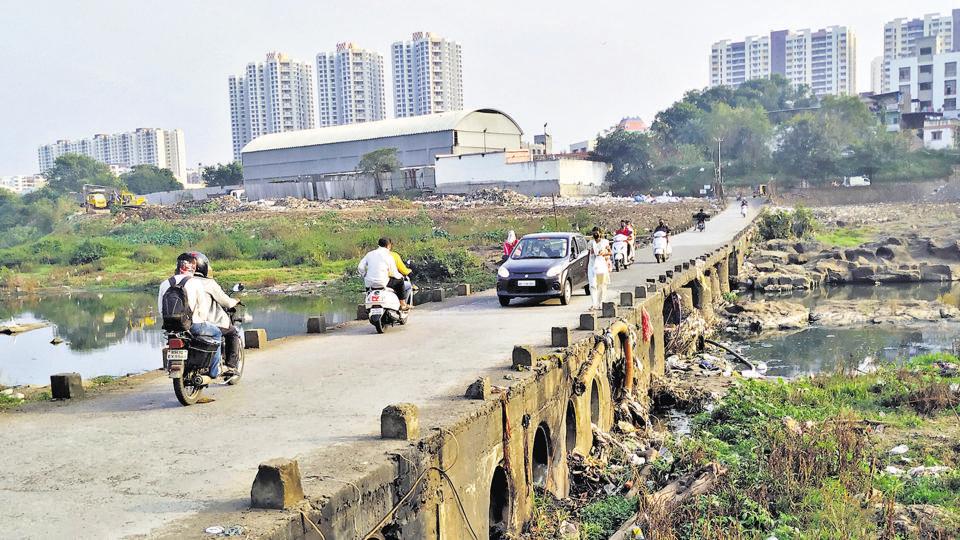
These areas have also seen maximum real estate development in the past 15 years, considering the relatively cheaper land rates.
For the residents of these 23 areas, one hurdle, so far, for not getting basic amenities is that these areas are under gram panchayats, which have not been able to carry out developments due to a shortage of funds.
Aditya Kumar Gupta, an IT professional and resident of Sarathi Souvenir society in Mhalunge, says, “We want water supply, sanitation, roads, drainage pipeline and street lights. These are basic amenities we need.”
For over two decades, there has been a pattern for fringe areas to demand its inclusion in PMC limits.
Due to affordability of land, people settle down in projects located in these fringe areas.
Wagholi, one of the highest populated and urbanised areas among the 23 villages, is one such example.
Despite being located adjacent to the Pune-Ahmednagar highway, residents of Wagholi are fighting to get basic facilities like road, water and a drainage system. Finally, they founded the Wagholi Housing Societies Association (WHSA) to push for their demands.
Narendra Hagwane, architect and resident of Kirkitwadi, said, “Gram panchayats don’t have planning and money to carry out facilities. In our area, there is only one road which connects to the main road. Due to a lack of a development plan and negligence of the Pune Metropolitican Development Authority (PMRDA), there is no road network. Water supply and garbage is another major issue which we are facing now. We hope the corporation will solve it with better planning and funds.”
Basic facilities
For real estate developers, Sus-Mhalunge, which is next to Baner, has been on their radar considering its proximity to the Hinjewadi IT park. Around a decade ago many among IT professional bought flats in Baner, Hinjewadi, Aundh, Balewadi, and Kothrud.
As a result, these areas witnessed high urbanisation even as amenities eluded most parts.
Pankaj Damale, president of the Sus Mhalunge Association which represents 20 big housing societies, said, “In Sus and Mhalunge, there are 350 residential societies. Water, drainage, road, and street lighting is not available in this area. It is an absolute undeveloped area. There is a lack of proper planning this area. We have to pay to get water, drain the sewage, pick up garbage.”
Lokesh Sharma, who lives in a rented house in Khadakwasla, said, “I am working in the Nanded city area. Rent rates are high so I shifted to Khadkwasla, where I live in a one BHK. The area is connected to the city, but narrow roads and water are a big problem. Though there is the dam located in Khadkwasla, we don’t get regular water.”
Bad roads
Sailesh Rao, an IT professional living in Manjari said, “Manjari is not a village. There are so many big housing schemes. But, basic infrastructure is almost zero.”
Located on the eastern part closer to Hadapsar, water scarcity in Manjari and adjacent areas is a major problem, besides the lack of roads. The Serum Institute of India, which is currently producing Covishield, India’s Covid-19 vaccine, is based here.
“We have to buy big jars of drinking water. At the same time, due to bad roads, we are facing huge traffic problems and accidents. I take almost an hour to reach my office, which is located in Hadapsar,” said Rao.
With a population of 5000, Sus on Pune’s western part is an upcoming residential destination for most IT employees working in HInjewadi. There are educational institutes like Symbiosis, whose students and staff use the Sus roads, to reach the campus.
Vijay Shinde, a resident of Wagholi living in Shriman Apartments said, “Traffic is one of the biggest problems after water. There is no road network. We cannot drive four-wheelers properly as roads are narrow and encroached upon.”
Unauthorised construction
In 2018, the Pune Metropolitan Region Development Authority (PMRDA) had identified 16,938 unauthorised constructions in its area with most falling in these villages. While the PMRDA served notices to those responsible for unauthorised constructions, not much happened.
Rajesh Ranjan, a resident of Holkarwadi, which is on the eastern part closer to Urali Devachi, said, “Besides garbage and weak water supply, unauthorised construction is another major problem in our area for which no action has been taken.”
Like Holkarwadi, Kirkitwadi, which has population of 8900 and is located adjacent to Sinhgad road on the western side of Pune, also similar issues.
Balasaheb Hagwane, a resident of Kirkitwadi and one of the petitioners for the inclusion of 34 areas (23 areas now, and 11 areas which have already been merged) said, “Roads, garbage and water are major problems in Kirkitwadi. Due to lack of development funds, basic infrastructure is not adequate. The urbanisation has been increasing. Builders are developing a scheme due to the lower rate of lands, as compared to city areas. There is good connectivity with Pune city. Rent rates are low. People now own properties in these fringe villages.”
Merger is not the solution
Pravin Gedam, a former corporation official who recently retired said, “Merger is not the solution to urbansation. During my service, I have seen two mergers 1997 and 2007. Corporation is not able to give basic infrastructure to villages. Corporation cannot take on the responsibility of a fringe village’s development. Actually, Pune Metropolitan Regional Authority (PMRDA) should take the lead and develop these villages, applying the town planning scheme. Corporation cannot take the burden.”
Residents want ‘Pune development’
“Pune Mahanagar Regional Development Authority (PMRDA) sanctioned big housing projects in the Manjari and Shewalwadi area. After completion, the population will increase and the gram panchayat will not be able to provide basic facilities to residents. So, a merger is the only solution for proper planning and development of villages.”
RAHUL SHEWALE
resident, Shewalewadi
“Gram panchayats don’t have planning and money to carry out facilities. In our area, there is only one road which connects to the main road. Due to lack of a development plan and negligence of the Pune Metropolitican Development Authority (PMRDA), there is no road network here. Water supply and garbage is another major issue. We hope the corporation will solve it with better planning and funds.”
NARENDRA HAGAWANE
architect, resident of Kirkitwadi
“We want water supply, sanitation, roads, drainage pipeline and street lights. These are basic amenities we need. There are no streetlights here. We are also paying huge amount of ₹2 lakh per month to get drinking water through tankers.”
ADITYAKUMAR GUPTA
IT professional and resident of Sarathi Souvenir society, Mhalunge
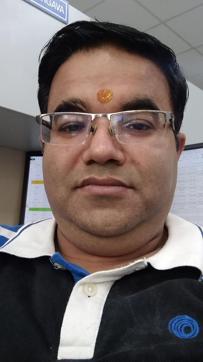
“We are missing basic facilities like roads, water, drainage and street lights. We are facing these problems for six years. We are located on the border of the Pune, Mhalunge and Sus village. Government had inaugurated the Mhalunge High Tech city, but, nothing has changed. We just want basic things like any common citizen.”
ASHISH BHARGAV
IT professional and resident of Teerth Towers in Sus
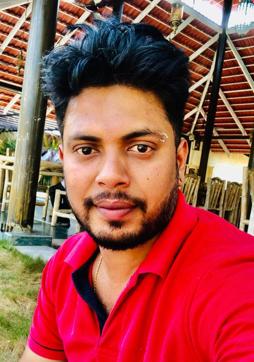
“In Sus and Mhalunge, there are 350 residential societies. Water, drainage, road, and street lighting is not available in this area. It is an absolutely undeveloped area. There is a lack of proper planning this area. We have to pay to get water, drain the sewage, pick up garbage.. We welcome the state government’s decision to merge our area with the Pune corporation.”
PANKAJ DAMALE
president, Sus Mhalunge Association


