
 E-Paper



CAG raps GNIDA for lapses delaying housing projects, leaving homebuyers in a lurch
The CAG has recommended that GNIDA mandate escrow accounts in its schemes to ensure builders pay dues, use homebuyers’ funds solely for the respective projects

 Prefer HTon Google


A Comptroller & Auditor General (CAG) audit found that key safeguards, such as requiring builders to open escrow accounts to ensure timely payments and project completion, were omitted from successive Greater Noida Industrial Development Authority (GNIDA) scheme brochures, undermining protections for both GNIDA and homebuyers.
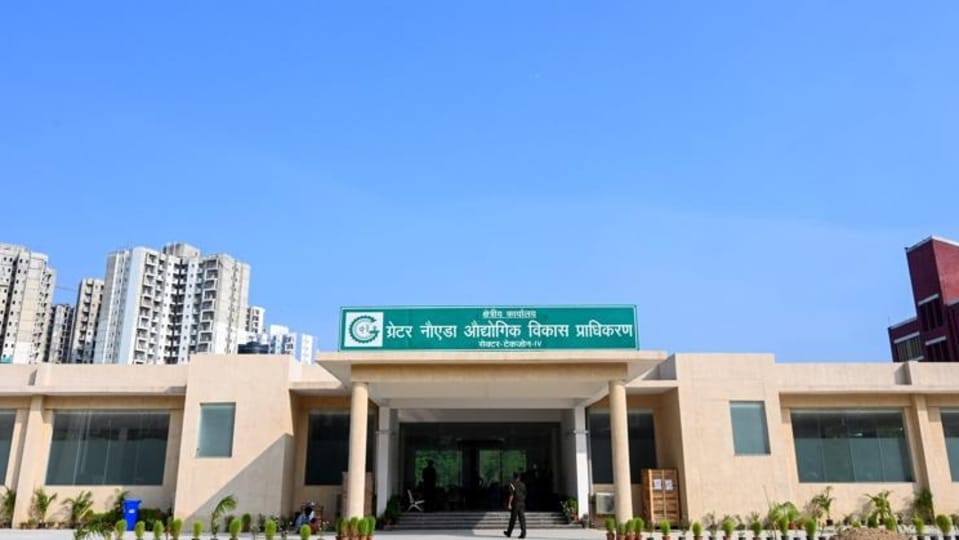
According to the report, these omissions led to project delays, GNIDA’s failure to uphold homebuyers’ trust, and its inability to ensure timely possession and execution of sub-leases. Notably, the mandatory provision for builders to maintain escrow accounts, ensuring project funds are used exclusively for construction, was also missing from the brochures. As a result, 28 of the 34 projects examined pending dues totalling ₹2,235 crore, it noted.
These decisions “culminated in failure to complete the projects,” the CAG report noted.
GNIDA extended undue favours to the builders by allotting plots to technically unqualified bidders and in spite of defaults by the allottees in earlier schemes. GNIDA also failed to ensure fair competition in evaluation of bids, the report noted.
“All the above acts of the GNIDA culminated in failure to complete the projects as only 14.52 per cent of total builders/Group housing allotments made during the audit period had been completed. Large outstanding dues of ₹10732.44 crore were pending against the builders as of April 2021. GNIDA failed to uphold the trust of the home buyers by failing to ensure timely completion of projects by the respective builders and ensuring timely sub-lease to the home buyers,” the report said.
CAG recommendations
The CAG report has recommended that the government should investigate the nexus between officials of the GNIDA and builders and also expedite action against officials responsible for/involved in framing policies for allotment that were detrimental to the interest of GNIDA, government and the homebuyers and against officials responsible for post allotment irregularities. It noted that the state government has accepted the recommendation.
GNIDA should review penal provisions for delays in execution of lease deeds so as to ensure its purpose as a deterrent and also revise the rates from time to time. The state government has accepted the recommendation, the report said.
GNIDA should include a provision in the schemes for opening of escrow account to ensure the payment of dues of GNIDA and to ensure utilisation of the funds collected by builders from the ultimate home buyers in the respective projects themselves, it said.
It also recommended that regulatory bodies should be made proactive by the government of UP to ensure the interests of homebuyers.
A report published in the Hindustan Times noted that the Comptroller and Auditor General (CAG) of India has uncovered serious procedural lapses in the functioning of the Greater Noida Industrial Development Authority (GNIDA). The report cited irregularities in planning, land acquisition, pricing, and allotment that caused notional losses of ₹13,362 crore to the state exchequer.
The performance audit, covering the period from 2005-06 to 2017-18 and later updated to April 2021, found that irregularities in group housing plot allotments alone accounted for ₹10,732 crore in dues. These lapses not only drained state revenue but also delayed housing projects, leaving thousands of homebuyers in distress.
According to the report, dues worth ₹19,500 crore were pending as of April 2021 for land premium, lease rent, and interest — largely from allotments made since GNIDA’s inception in 1991.
The findings, based on an audit conducted between December 2018 and November 2019, were tabled in the Uttar Pradesh Assembly on August 13 by state parliamentary affairs minister Suresh Kumar Khanna during the ongoing Monsoon session.
The report quoted Vinod Kumar, GNIDA’s general manager (finance), as saying that corrective steps were being taken: “Following the CAG report, we have revised our allotment policies to prevent errors in future. The staff is working on recovering the outstanding dues in line with the CAG’s recommendations.”


