
 E-Paper



DTCP moves to take over Ocean Seven Buildtech’s stalled The Venetian project in Gurugram, raising questions over its revival
Gurugram's Sector 70 housing project’s licence cancelled over delays and violations; buyers seek clarity on how the takeover will translate into possession

 Prefer HTon Google


The Department of Town and Country Planning (DTCP) has initiated proceedings to take over Ocean Seven Buildtech's The Venetian project, a 5.1-acre affordable housing project in Sector 70, Gurugram, following the cancellation of its licence, directing officials to secure the land and assets, freeze property transactions and assess the money collected from homebuyers.
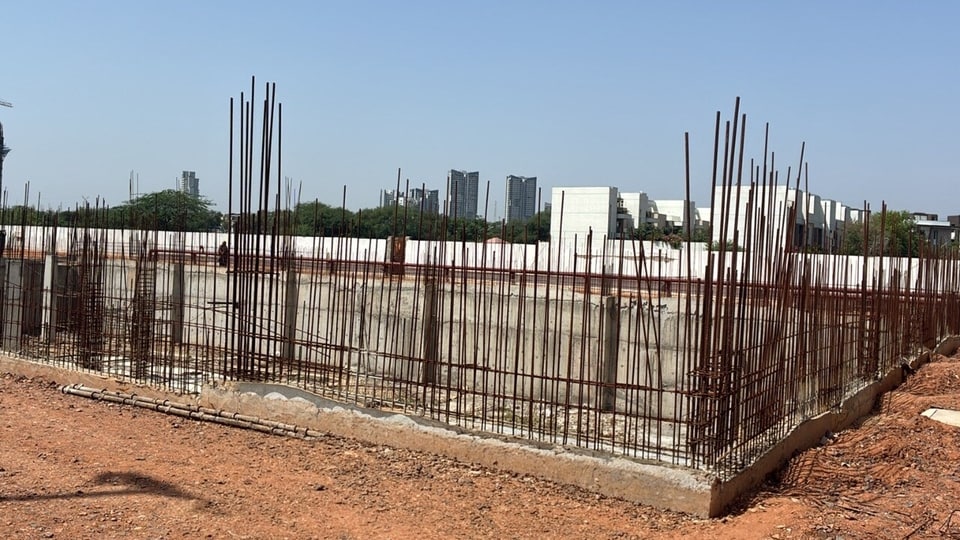
The move has raised hopes among allottees who have waited years for their homes, but questions remain over how the takeover will be executed and whether the project can eventually be handed over to the buyers.
The department issued an 11-point directive to assess the project's assets, construction status, financial liabilities, ownership records and the amounts collected from allottees.
The senior town planner has been designated the nodal officer for the proceedings under Rule 19 of the Haryana Development and Regulation of Urban Areas Rules, 1976. The district administration and revenue authorities have been asked to demarcate the land and facilitate the takeover.
The licence, granted on September 5, 2019, to the landowners in collaboration with Ocean Seven Buildtech, was cancelled by the DTCP director on August 7, 2026, citing prolonged construction delays and regulatory violations. A joint inspection on July 7, 2026 found the site deserted, with no evidence of ongoing construction. The department also cited outstanding external development charges and interest of ₹6.62 crore as of July 15, 2026.
What does the takeover mean for homebuyers?
The immediate objective is to prevent the land and assets from being sold, transferred, or otherwise disposed of while the authorities establish the project's legal and financial position. The Badshahpur sub-registrar has been directed not to register sale or lease deeds involving the project land without DTCP permission. Officials will also examine mortgages, loans, collaboration agreements and other financial encumbrances.
The authorities have been asked to prepare an inventory of the land, buildings, machinery, construction materials and other assets. Homebuyers and other stakeholders will be invited to submit claims and supporting documents. Allottees have also been directed not to make further payments to the coloniser.
However, securing a stalled project is different from completing it. The authorities will need to establish the extent of construction, verify the money collected and expenditure incurred, determine outstanding liabilities and assess what resources are available to finish the development.
ED attachment adds another layer
The Enforcement Directorate's provisional attachment of assets in proceedings against the promoter adds another layer of complexity to the project's future. A provisional attachment under the Prevention of Money Laundering Act is an interim measure subject to adjudication and appeal; it is not, by itself, a final confiscation of property. The interaction between the attachment proceedings, any lender claims and the DTCP's takeover will need to be clarified before a workable completion plan can emerge.
Ocean Seven Buildtech's representative said the attachment was an interim step initiated by the investigating agency and did not constitute a judicial finding. The company said it would contest the action before the appropriate forums and maintained that the allegations had not been established in court.
“The matter is sub judice. The details released by the agency reflect its own case, which has not been tested before any court. We request that they be reported as allegations and not as a determination of guilt. The interests of the homebuyers are best served by the completion of the projects. We remain committed to that objective and will support every lawful step towards it,” the company's statement said.
The promoter also said the proceedings had taken a toll on the company, its employees and the family, adding that it had faith in the courts and sought a fair hearing.
Homebuyers seek a clear execution plan
For residents, the key question is what happens after the land and assets are secured. Homebuyers' associations in stalled projects have previously sought intervention from authorities to protect their investments and find ways to complete construction. However, the route to completion depends on the project's legal status, the availability of funds, outstanding dues and the mechanism chosen by the authorities.
Advocate Ritu Bhariok, legal adviser to the Federation of Affordable Home Buyers, said the takeover must result in a clear, time-bound plan that protects allottees and specifies how the unfinished project will be completed.
“The department should provide strong handholding and active support to the concerned project owners and RWAs in projects where the reasons for delays and instances of alleged fraud have been established. The objective should be to ensure the timely completion of these projects under strict compliance with the guidelines and regulations of RERA and the TCP Department. This would be a unique and encouraging step towards protecting homebuyers' interests and restoring their confidence,” she said.
DTCP should take the necessary steps to facilitate the completion of the project, with the Haryana Government's approval, wherever required.
According to Rajveer Singh, a buyer, the department should provide strong hand-holding and active support to the concerned project owners and RWAs in projects where the causes of delays and instances of alleged fraud have been established.
The objective should be to ensure the timely completion of these projects under strict compliance with the guidelines and regulations of RERA and the TCP Department. This would be a unique and encouraging step towards protecting homebuyers' interests and restoring their confidence.
DTCP should take the necessary steps to facilitate the completion of the project, with the Haryana Government's approval, wherever required. Meanwhile, the Enforcement Directorate (ED) has reportedly attached additional assets worth ₹136 crore linked to projects in Rajasthan and has also attached plots allegedly connected to Arun Yadav, described as the legal head of BPTP in Sector 102, in connection with allegations of collusion in the fraudulent resale of flats that had already been allotted.
The authorities also need to clarify whether the project can be completed by a new developer, a legally constituted homebuyers' body, or another mechanism permitted under applicable law.
Banks generally require a legally recognised borrower, demonstrable repayment capacity, and adequate security before extending project finance; an association cannot assume that funding will be available automatically. Similarly, the Haryana Real Estate Regulatory Authority (HRERA) framework does not, by itself, provide a straightforward mechanism for every homebuyers' association to take over and complete a stalled project.
Also Read: ED attaches assets worth ₹136.42 crore of Gurugram realty firm Ocean Seven Buildtech
The experiences of homebuyers' groups in Noida have highlighted the importance of a well-defined legal and financial framework, rather than simply transferring responsibility to residents. Any proposal involving an association would require clarity on its legal authority, funding, liability for existing dues, decision-making and the protection of individual allottees.
Also Read: Noida's delayed projects: 10 years on, buyers continue to wait for possession in WTC-backed projects


