
 E-Paper



Haryana RERA sounds alarm, urges homebuyers to steer clear of unregistered real estate projects
Haryana RERA warns homebuyers against unregistered projects; here are key checks that can help avoid legal and financial risks

 Prefer HTon Google


To protect homebuyers, the Haryana Real Estate Regulatory Authority (HRERA), Gurugram, has issued a public advisory cautioning buyers against purchasing or booking plots, flats, villas, apartments or other units in unregistered real estate projects.
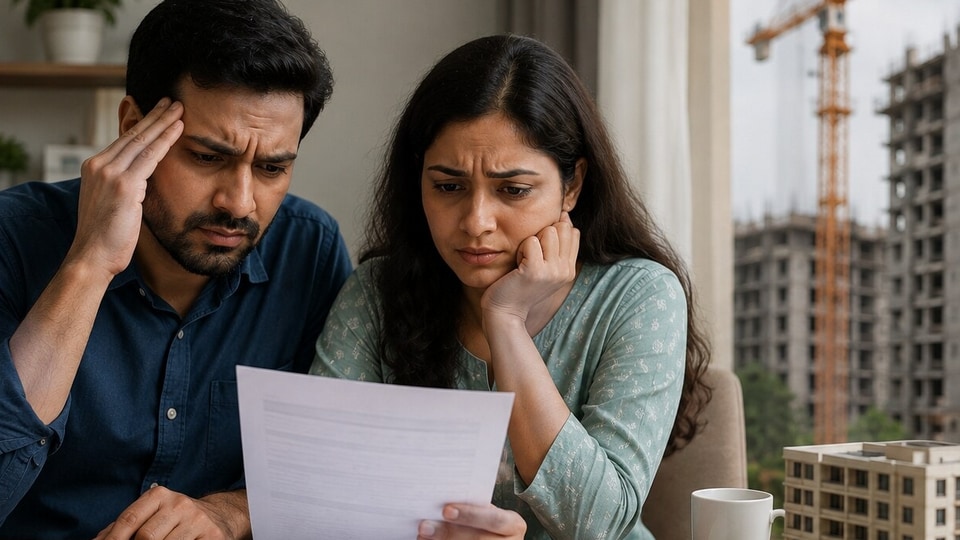
The authority warned that such transactions can invite legal action and leave buyers without the regulatory protection available under the Real Estate (Regulation and Development) Act, 2016.
In its advisory on Aug 14, HRERA urged prospective buyers to conduct due diligence before investing and verify the project's RERA registration certificate and number, website, approved site address and other relevant details through the authority's portal.
The authority noted that with a large volume of residential and commercial supply expected to enter the market, buyers could be approached with pre-launch schemes, promotional offers or booking opportunities before projects receive the required approvals and RERA registration.
The latest advisory makes it clear that a booking offer or promotional campaign should not be treated as proof that a project is legally ready for sale. Buyers should first verify the project's registration number and approved details on HRERA's official database before making any payment or signing an agreement.
Arun Kumar, chairman, HRERA Gurugram, told Hindustan Times newspaper that prospective homebuyers have been urged to exercise caution before investing and verify essential project details, including the RERA registration certificate, registration number, project website, approved site address and other relevant credentials available on the authority's portal.
According to Kumar, the sale, marketing, booking or purchase of units in an unregistered real estate project violates provisions of the RERA Act. He advised buyers to invest only in projects duly registered with the authority to safeguard their interests and ensure legal protection under the Act.
HRERA had issued a similar advisory in January, asking homebuyers and property investors to deal only with registered property agents and warning about the legal and financial risks associated with unregistered intermediaries.
Also Read: Gurugram RERA approves 51 real estate projects worth ₹38,000 crore in H1 2026
What legal experts advise homebuyers
Pooja Rao Putrevu, founder of Annex Legal, said buyers should assess whether a project is registered and has all the required documents and approvals before purchasing any residential or commercial property.
"For most middle- and upper-middle-class families, purchasing a property involves committing their life savings. Therefore, such diligence is key and of paramount importance," she said.
1. Check the project's RERA registration
The first step is to visit the relevant state RERA website and verify the project's registration number. Buyers should ensure that the project details on the portal match the information provided by the developer or seller.
“This is important because in case of any default or missed timelines on part of the developer or seller, the buyer holds the power to initiate necessary action with confidence where the seller is strictly bound by the rules and laws under the Real Estate (Regulation and Development) Act. Having this power becomes an element of power in the hands of buyers to be safe from any realtor who could potentially launder money or delay possession and handover,” she said.
2. Check the approved project details
Buyers should verify the project's approved site address, developer details, website and other information available on the RERA portal. Any mismatch should be treated as a red flag, she said.
3. Ask for land documents
Buyers should ask the seller or developer for the link documents showing the history of land ownership and procurement. These documents can help establish how the developer acquired rights over the land.
4. Verify approvals and permits
RERA registration should not be the only check. Buyers should also verify the project's required approvals, permits and sanctioned plans before committing money.
5. Get the documents independently checked
Putrevu advised buyers to have the property documents reviewed by a lawyer specialising in real estate law.
Such due diligence, she said, can help buyers make a more informed decision and reduce the risk of disputes, delayed possession or problems relating to the title and approvals.
For homebuyers, the key takeaway is simple: do not let a pre-launch offer, discount or booking deadline replace due diligence. Check the RERA registration and project approvals first, and only then proceed with the transaction.


