E-Paper



Rats threatened this tiny seabird on a California island: After their removal, its nests increased more than fourfold
Scripps's murrelet nests on California's Anacapa Island have more than quadrupled since black rats were eradicated.

 Prefer HTon Google


Anacapa Island lies off the coast of Ventura, California. It is a piece of rugged volcanic land that belongs to Channel Islands National Park. However, there was another inhabitant here for many years: black rats. These creatures were probably introduced to the island by ships sometime before 1940, and they had a major impact on native wildlife. The rats preyed on seabirds' eggs and chicks, including those of Scripps's murrelet, a tiny seabird that nests in rock crevices, sea caves, and other sheltered coastal habitats. Around 40% of Scripps's murrelet nests on Anacapa have shown evidence of egg predation.
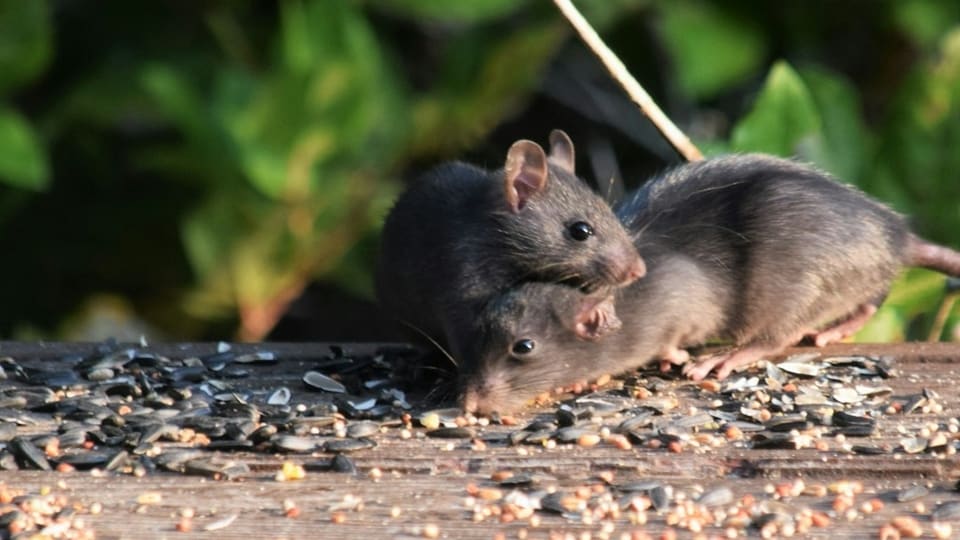
The rats were removed in two stages: East Anacapa was treated in 2001, followed by the Middle and West islets in 2002. In 2018, wildlife biologists Darrell L. Whitworth and Harry R. Carter published their findings in the Journal of Wildlife Management on how Scripps's murrelets responded after the rat eradication. The authors used nest monitoring conducted between 2001 and 2010, along with monitoring resumed in 2014, to assess changes in the murrelet population. Their findings showed that the number of occupied nests rose from 11 in 2001 to 60 in 2014, an increase of 4.45 times as reported by the researchers. Nighttime counts of murrelets at sea around the island also increased. Nest losses to predation fell sharply after the rats were removed, with the remaining losses largely attributed to native deer mice rather than rats.
Why the eggs were so vulnerable
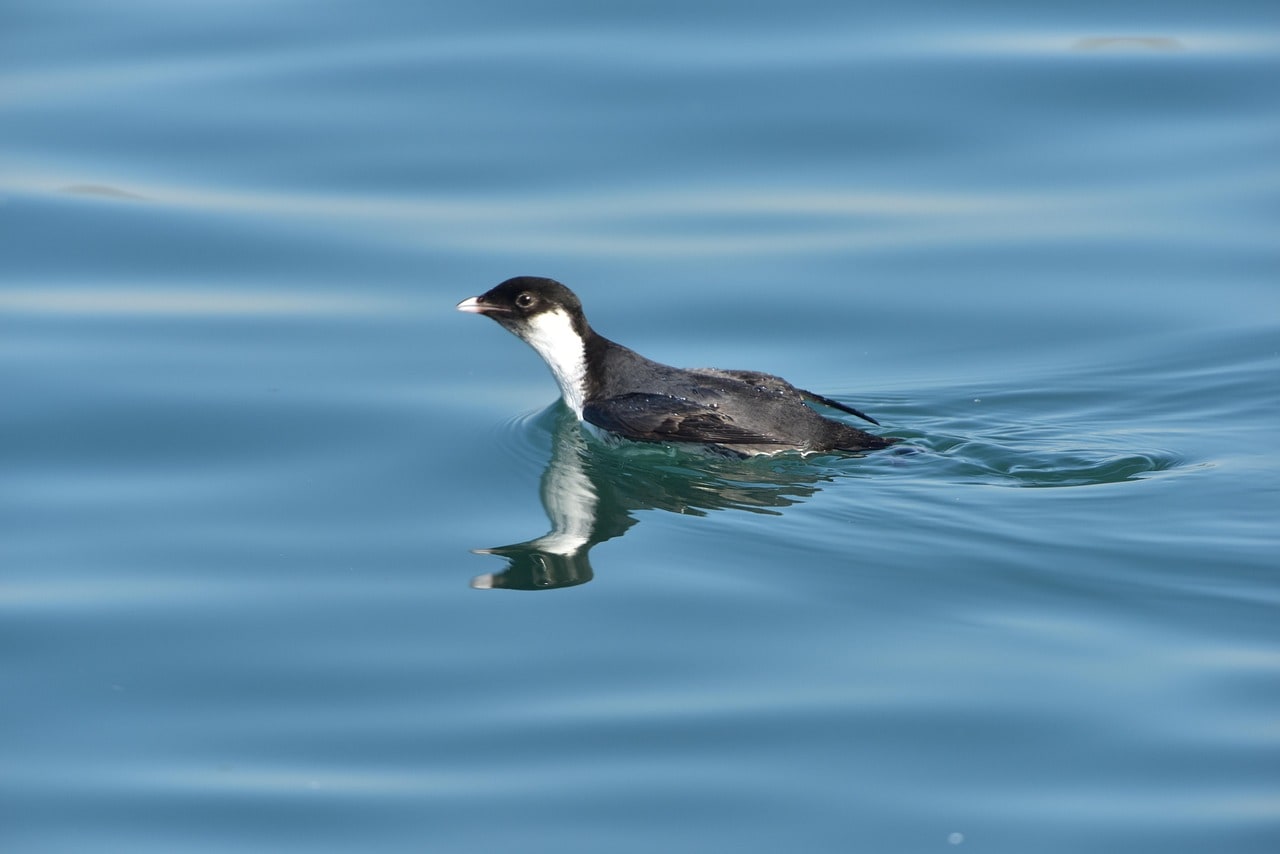
The shift is easier to understand when one knows how vulnerable the nesting murrelets were. Adult birds leave their eggs unattended during feeding trips to the ocean, creating an opportunity for predators. Whitworth, Carter, and Franklin Gress documented how much that vulnerability mattered in an earlier study in Biological Conservation, which tracked eight years of nesting outcomes on Anacapa following the eradication. Hatching success on the island nearly tripled, rising from about 30% during the 2001–2002 baseline period to about 85% across 2003–2010 after the eradication was completed. The researchers attributed the improvement mainly to a sharp reduction in egg predation.
The change was accompanied by a steady increase in nesting. The number of nests increased by about 14% per year overall during the post-eradication monitoring period, while previously vacant nesting plots were occupied within one to three years of the rats' removal. The researchers noted that nesting remained concentrated largely in existing breeding areas, suggesting that local birds returning to familiar breeding sites played an important role in the colony's growth.
As Scripps's murrelets are long-lived birds with small clutches, persistent losses to predators can affect a population over time. Removing the rats therefore did more than reduce egg predation in individual nests. It improved breeding conditions for a species whose California breeding sites are concentrated on a limited number of islands. Scripps's murrelet is also listed as threatened by the state of California.
Recovery that stuck
The National Park Service, which implemented the project with Island Conservation and other partners, says monitoring after the eradication has shown continued recovery. Biologists have continued to record increasing numbers of Scripps's murrelet nests and consistently high hatching success. Cassin's auklets also returned to breed on Anacapa after the rats were removed, although they remain uncommon on the island.
A 2015 study in Marine Ornithology documented the return of Cassin's auklets to Anacapa after the rat eradication. The first confirmed nests were found in 2003, less than a year after the rats were removed, and by 2012, researchers had detected auklet nesting in six shoreline areas.
The recovery did not happen overnight. The eradication was carefully planned because Anacapa is also home to an endemic subspecies of deer mouse that could be affected by the rodenticide. Researchers established measures to protect the native mice during the staged treatment, and long-term monitoring continued after the rats were gone. Studies of the island's wildlife have since documented responses among several native species, including deer mice and other animals affected by the presence of rats.
For Scripps's murrelets, the results provided a clear example of how removing an introduced predator can change breeding conditions on an island. The increase in nests, higher hatching success, and return of other seabirds all followed the removal of black rats from Anacapa.