
 E-Paper



Man loses ₹6 lakh after paying traffic fine via SMS link: Here’s what police advise to stay safe
A simple text message about a traffic fine led to a costly mistake. Here’s how scammers use fake challan links to trap unsuspecting users.

 Prefer HTon Google


A man lost nearly Rs. 6 lakh after clicking a link sent through a text message that claimed he had to pay a traffic fine of Rs. 500. Cybercrime police said the incident highlights how fraudsters are using fake challan messages to target vehicle owners.
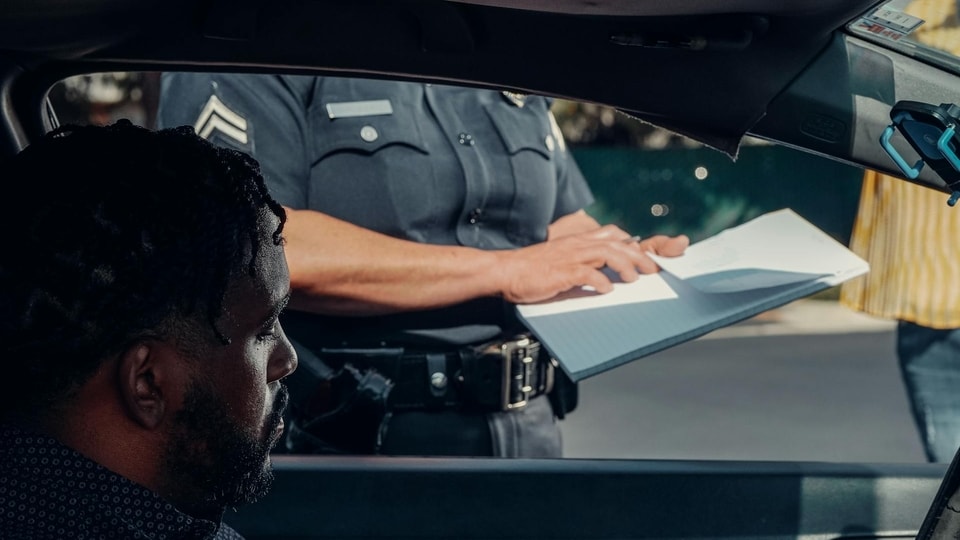

According to officials, the victim received an SMS stating that a fine had been imposed on his vehicle for a traffic violation. The message included a payment link. Believing it to be genuine, the man clicked the link and reached a webpage that appeared to offer a challan payment option.
Also read: Apple's foldable iPhone tipped to launch with a more compact design: Report
When he tried to enter payment details, fraudsters gained access to his phone and banking information. Soon after, unauthorised transactions took place from his account. Police said the victim lost around 6,900 Euros, which is close to Rs. 6 lakh. The money was transferred without his consent.
Cybercrime officials said such scams often rely on fake websites that look similar to government portals. These links may also install harmful software on phones, allowing criminals to control devices and access financial apps. Police have registered a case and started an investigation.
Also read: Google may soon let you fix your Gmail usernames: Here’s how the change will work
Authorities have urged citizens to avoid trusting links received through text messages, emails, or WhatsApp. They stressed that traffic departments do not send direct payment links for challans.
How to stay safe from traffic fine scams
- Police advised vehicle owners to verify challans only on official government portals such as the Parivahan website or state traffic police websites. Users should manually enter their vehicle number instead of clicking links.
- Citizens should check the sender details of messages and ignore alerts from unknown numbers. Messages with spelling mistakes or unclear information should raise suspicion.
Also read: Galaxy S26 Ultra launch: 5 upgrades I want Samsung to bring
- Officials also warned people not to enter card details, PINs, or OTPs on unfamiliar websites and not to download apps through unknown links. Traffic-related apps should be downloaded only from official app stores.
- Anyone who receives a suspicious message should report it immediately on the national cybercrime portal or by calling the cyber helpline number 1930. Police also advised people to keep their phones updated and use security features such as two-step verification.
- Cybercrime officers reiterated that no police or transport department demands instant payment through text messages. They advised the public to verify first and act only through official channels.


