
 E-Paper



As Imran Khan completes one year in power, Pak’s fiscal deficit on three-decade high
In June 2019, the Pakistan government had announced that it intends to keep the deficit at 7.1 per cent of GDP, whereas the target at the start of the year was 4.9 per cent.


The annual fiscal deficit of Pakistan rose to the highest in the last three decades at 8.9 per cent for the financial year 2018-19.
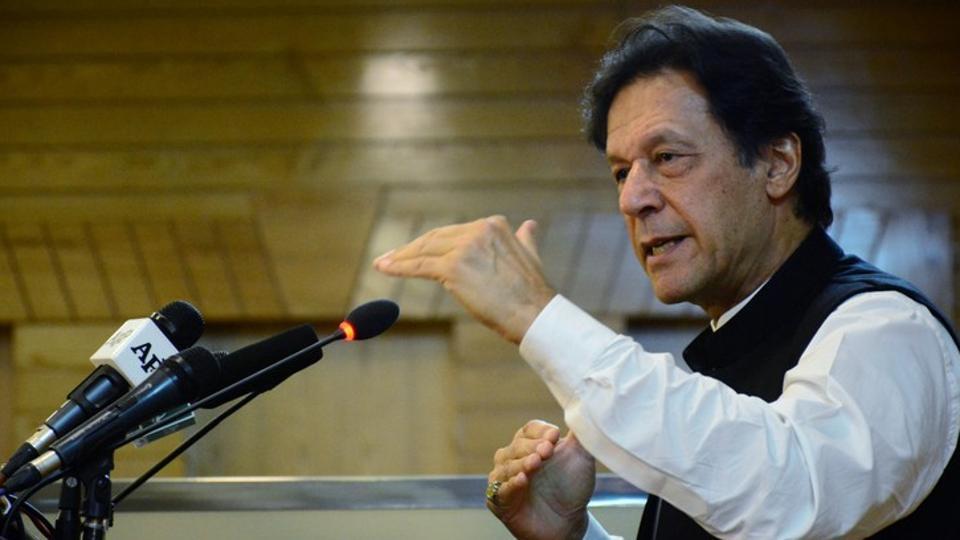
The fiscal deficit is a difference between revenues and expenditures of the federal government. The deficit increased to 8.9 per cent of Pakistan’s gross domestic product in the year that ended in June.
The fiscal deficit was 6.6 per cent last year, reported Dawn.
In June 2019, the government had announced that it intends to keep the deficit at 7.1 per cent of GDP, whereas the target at the start of the year was 4.9 per cent.
“I have never seen such a high fiscal deficit in my career,” said Dr Ashfaque Hassan Khan, a former economic adviser.
The deficit amounts Pakistani rupee ₹3.445 trillion, highest since 1979-80 as per past Pakistan Economic Surveys.
The figure which depicts the dire situation of Pakistan’s economy coincided with the completion of Imran Khan’-led Pakistan Tehreek-e-Insaf government completion of first one year in power.
Imran Khan rose to power with the promise to improve the economic situation of the country.
The government last month had increased the price of petrol and diesel by Pakistan ₹5.15 per litre and ₹5.65 per litre, respectively. While petrol will cost ₹117.83 a litre, a litre of diesel will be ₹132.4, Geo News reported.
Apart from the hike in petrol and diesel prices, kerosene oil and light diesel have now become costlier by ₹5.38 and ₹8.90. The new prices for kerosene and light diesel are ₹132.47 and ₹103.84, respectively.
The government had also ordered a rollback of the prices of ‘naan’ and ‘roti’. Currently, the rates of naan are ranging between ₹12 to ₹15 in different cities, while roti is available at ₹10 to ₹12 a piece.
As Pakistan continues to battle a ballooning balance-of-payment crisis, several countries including China and Qatar, have provided bailout packages to the country.
The International Monetary Fund approved a bailout package of USD 6 billion for Pakistan in May. Earlier this month, Islamabad received USD 991.4 million, the first tranche of the loan from the global moneylender.
(The story has been published from a wire feed without any modifications to the text.)


