
 E-Paper



Explained: What does Taliban mean? Who are their leaders and what do they want?
The Taliban, which was ousted by US forces in 2001, now controls over half of the provincial capitals and is gradually encircling Afghanistan’s national capital Kabul

 Prefer HTon Google


With the second- and third-largest cities of Afghanistan having fallen to the Taliban in the last 24 hours, the control of insurgents over the war-torn country looks imminent even as the international community has asserted that they won’t recognise any government imposed by military force.
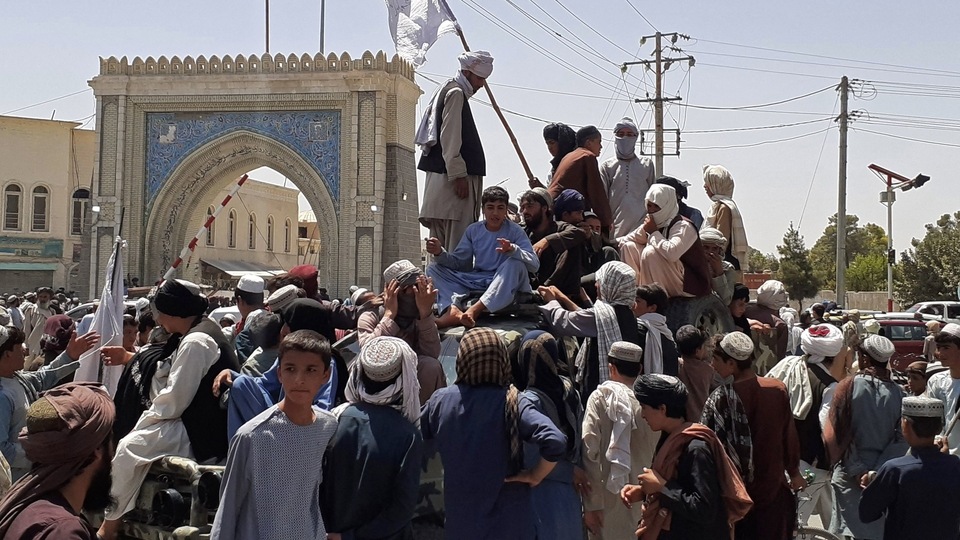
The Taliban, which was ousted by US forces in 2001, now controls over half of the provincial capitals and is gradually encircling Afghanistan’s national capital Kabul, a city whose fall will signal a complete control of the Islamist fundamentalist group over the country. In their latest blitz, the Taliban fighters have reportedly taken control of Logar province, which is about 80 kilometres away from the capital.
Amid deteriorating situation, the United States and Britain are deploying thousands of troops, only to evacuate their citizens before Washington officially declares the end of its two-decades-long war. The Indian mission in Kabul has also issued separate security advisories over the past few weeks, urging its citizens to leave Afghanistan as soon as possible on the earliest available commercial flight options.
The United States has expressed concerns that the hardline Islamist group could topple the Ashraf Ghani-led government within three months, according to a US media report, which would see the return of the Taliban at the helm after nearly two decades.
Also Read | Taliban near gates of Kabul as embassies prepare for evacuations
Who are the Taliban?
In 1994, Mullah Mohammad Omar founded the Taliban with dozens of followers to challenge the rampant crime and corruption during the civil war. Taliban literally means “students” in Pashto, a reference to the founding members being the students of Mullah Mohammad Omar.
The group originally drew members from the so-called “mujahideen” fighters who pushed the erstwhile USSR forces out of Afghanistan in the 1980s. It then went on to take control of most parts of the country by 1996 and ruled for about five years until the group was uprooted by the US forces in 2001. Mullah Mohammad Omar went into hiding after US-backed forces toppled the group.
The hardline Islamist movement has since been fighting against the Western troops to regain control of Afghanistan.
Who are the main leaders of the Taliban?
Haibatullah Akhundzada, the Islamic legal scholar, is the Taliban's supreme leader who holds final authority over the group's political, religious, and military affairs, according to news agency Reuters. He took over the leadership after his predecessor, Akhtar Mansour, was killed in a US drone strike near the Afghan-Pakistan border in 2016.
Mullah Abdul Ghani Baradar heads the political office of the Taliban and is part of the team negotiating for a political settlement with various stakeholders in Doha. While the Afghan government has reportedly offered a deal to end violence in Afghanistan, Baradar is yet to respond as the Taliban continues its offensive back home.
Believed to be in his early 30s, Mullah Omar’ son Yaqoob oversees the military operations of the Taliban. Yaqoob was seen as a successor of Mansour but he himself proposed the name of Akhundzada because of his young age and lack of experience in the battlefield, reported Reuters citing a Taliban commander.
Also Read | Kabul in Taliban’s cross-hairs make Doha peace talks redundant
What do they want?
The Taliban, which grew in popularity in its initial days because of its promise to curb crime and corruption, later became notorious for brutally imposing their harsh version of Sharia. The girls and women of Afghanistan particularly bore the brunt of the Taliban regime, which banned them from schools and workplaces. Reports suggest that the group has resorted to its old tactics of oppressing women in the name of a “genuine Islamic system.” The Taliban has again promised to restore peace and security to its followers while hundreds of thousands of civilians get displaced fearing persecution.
So, what happens now?
According to an analysis published in The Washington Post, the Taliban tactics suggest their interest in seizing border crossing and contested territories during its previous rule. “Taking control of these areas might enable the Taliban to repress its political opponents while generating tens of millions in revenue before the end of the year,” the report says, indicating the group taking the control back from the elected Afghan government in coming days.
(With inputs from agencies)


