E-Paper



‘Genius masterstroke’? Saudi's East-West Pipeline answer to Strait of Hormuz chokehold
Saudi Arabia is now considering ways to transport its 10.2 million barrels of daily production through the East -West pipeline.

 Prefer HTon Google


As the war between the US, Israel, and Iran continues to choke the Strait of Hormuz, Gulf countries are reportedly considering pipeline projects to continue exporting oil and gas.
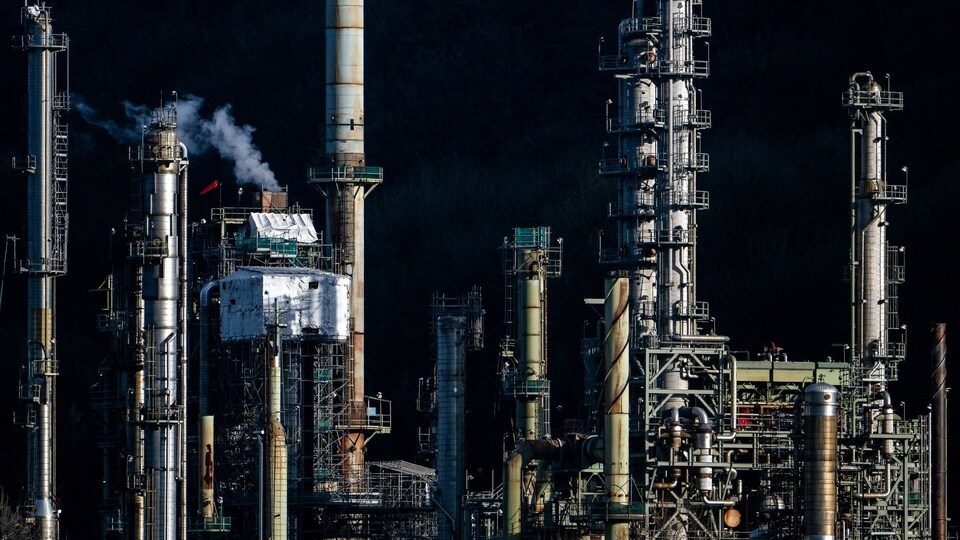
According to a report by Financial Times, Saudi Arabia is planning on capitalising on the 1,200 km East -West pipeline. Built in the 1980s after fears that the Iran-Iraq war might disrupt Strait of Hormuz shipping, this pipeline might prove essential. It delivers 7mn barrels of oil a day to the Red Sea port of Yanbu, effectively bypassing the Strait of Hormuz.
A senior Gulf energy executive told the outlet that using the pipeline could be “a genius masterstroke.”
The development comes at a time when the Strait of Hormuz, a vital energy corridor through which 20 per cent of world's oil and gas requirements travel, has been disrupted. This has severely impacted supply chains and triggered volatility in oil prices.
Saudi considering transporting daily oil production through pipeline
Saudi Arabia is now considering ways to transport most of its 10.2 million barrels of daily production through the pipeline, the report said. The measures can consist of expanding the capacity of the pipeline or building new routes.
While previous plans of building pipelines across the region have been repeatedly stalled, Maisoon Kafafy, a senior adviser to the Atlantic Council’s Middle East programmes, noted a change in mood towards ‘operational reality.’
She also suggested that rather than an individual project, the kingdom can build a network of corridors, adding that this would be ‘hardest to achieve.’
Another option which could be considered includes the revival of US-led plans for an ambitious corridor that would run from India through the Gulf and then to Europe.
The corridor called IMEC initially included a politically tricky pipeline going through the Israeli port of Haifa.
Also read: Fact check: How much oil does US import via Strait of Hormuz? Trump's ‘almost no oil’ claim debunked
Cost, security risk: obstacles to pipeline
While Saudi Arabia is considering shifting to a pipeline, experts also point out major obstacles in the plan. The cost of replicating the East-West pipeline today would be at least $5 billion, Christopher Bush, the chief executive of Cat Group, told Financial Times.
The construction would involve blasting through the hard basalt of the Hijaz mountain on Saudi Arabia’s Red Sea coast.
Security risks are also imminent, including from unexploded bombs in Iraq and the continuing presence of ISIS or other militants.
Other than this, political challenges might also surface related to who will operate the pipeline and control its flow.
Also read: Strait of Hormuz updates: What Trump said about US oil reliance, ‘We don’t need
Highlighting that the kingdom is looking at possibilities, Bush said that Saudi Arabia could also develop additional export terminals on its Red Sea coast, including at the deepwater port being built for the Neom project.
One senior energy executive said Abu Dhabi had “always had a plan B for a second pipeline to Fujairah”, adding that no decision will be made until the long-term status of the Hormuz Strait is clear.