
 E-Paper



Germany's far right wins big in elections for the first time since Nazi era
The German far right party Alternative for Germany (AfD) has won the state elections, a first for its kind since 1945, triggering fears for immigrants

 Prefer HTon Google


Alternative for Germany (AfD) has won the regional elections in Thuringia and Saxony, a first for the German far right since the Nazi's were in power in 1945.
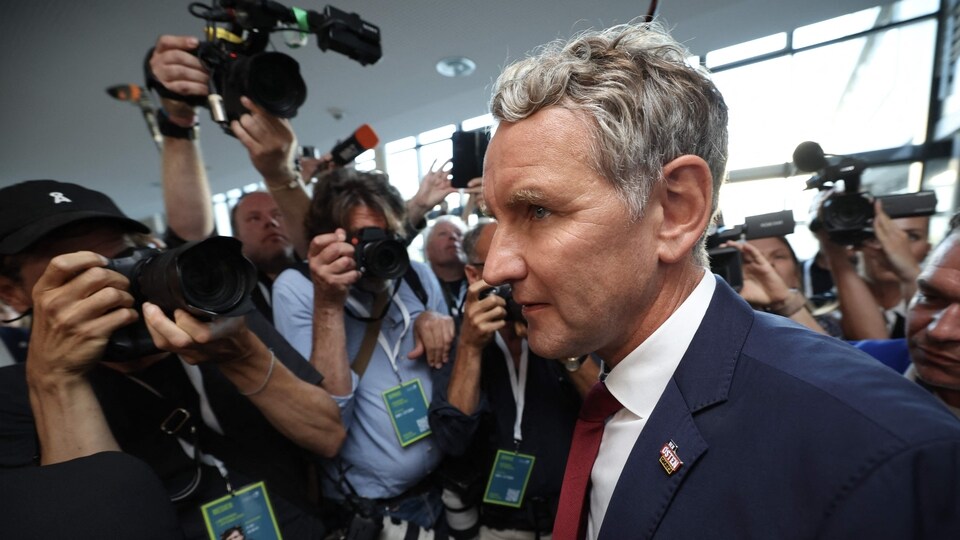
The party's rise to power has also become a cause for concern for several communities in Germany, with hardline anti-immigration sentiments being central to their campaign.
Also Read: Pope Francis faces massive backlash for ‘appeasing globalists’ with ‘grave sin’ remarks on migrants: 'The Vatican is…'
After voting closed on Sunday, the AfD emerged the strongest party in the eastern state of Thuringia, with 33 per cent of the vote, and came a close second behind conservative party CDU in Saxony, with 31 per cent of the vote.
Also Read: On Cam: ‘Anti-Ukraine’ Leader Attacked With Syringe In NATO Nation Amid Russia War | Germany | Olaf
Their wins have also led to clamour for them to be represented in German parliament and partake in coalition negotiations. Chancellor Olaf Scholz's current centrist government, consisting of three parties in coalition, has not fared well this election season, with national polls coming up next year.
Also Read: Good news for Indian skilled workers, Germany reduces visa processing time from 9 months to 2 weeks
The three parties in coalition managed to get single digit percentage of votes and fell behind the AfD and a far-left party called BSW.
Founded in 2013, the AfD became more popular when 1 million Syrian refugees were welcomed into Germany during a humanitarian crisis in 2015. The anti-immigrant rhetoric of the party tied in with economic losses in the country have increased their voter base over the years profoundly.
At a campaign rally, co-leader of the AfD, Alice Weidel told CNN, “Germany has become a country without borders, where anyone can come in and we do nothing about it.” Weidel and the party's solution to the problem is - “The immediate expulsion of all illegal immigrants from our country. All criminals, all extremists must leave."
Chancellor Scholz responded to the results, calling them “bitter” and “worrying”. He said, “Our country cannot and must not get used to this. The AfD is damaging Germany. It is weakening the economy, dividing society and ruining our country’s reputation.”


