E-Paper



In 2000, cats were eradicated from Macquarie Island; after rabbits and rodents were removed by 2014, blue petrels grew by an estimated 14% a year
Blue petrels increased about 14% annually after cat eradication on Macquarie Island, while a later pest removal program helped restore damaged habitats.

 Prefer HTon Google


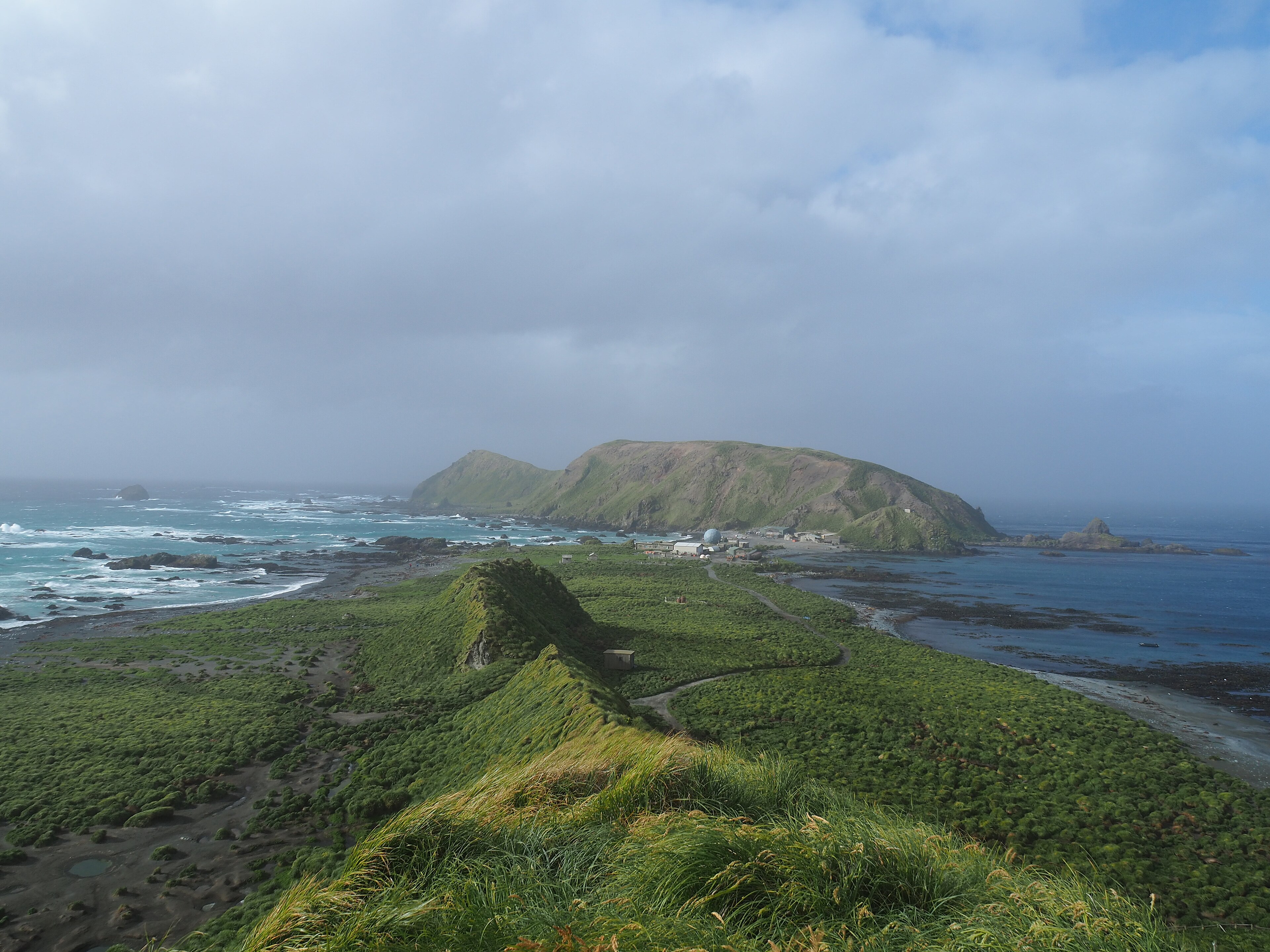
Macquarie Island, a remote Australian territory between Tasmania and Antarctica, is seeing the return of burrowing seabirds that had disappeared from its main island. The recovery of blue petrels offers an example of how removing introduced predators and other invasive animals can create better conditions for native wildlife.
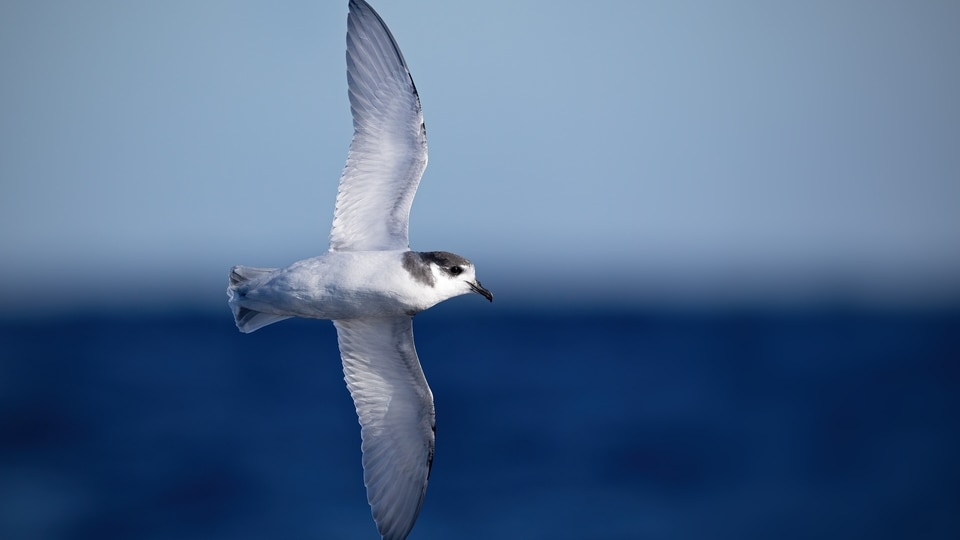
A 2024 study published in Conservation Biology estimated that blue petrels increased at an annual rate of about 14% after cat eradication began to take effect. Surveys recorded approximately 5,588 breeding pairs in 2018, compared with an estimated 500 to 600 pairs on offshore coastal rock stacks in 1999. Researchers Jeremy P. Bird, Richard A. Fuller and Justine D. Shaw examined four burrowing seabird species to understand how invasive animal eradication influenced their populations and distribution. Their findings also showed that rapid population growth does not necessarily mean a species has recovered its former range.
The impact of introduced animals on Macquarie Island
Introduced animals have placed considerable pressure on Macquarie Island's wildlife and vegetation. Cats arrived with sealers in the early 19th century, while rabbits and weka, flightless rails native to New Zealand, were introduced from the 1860s onward. Ship rats and house mice were first recorded in the 1890s. These animals affected native species through predation, grazing, and the resulting deterioration of breeding habitat.
Blue petrels were described as “exceedingly numerous” on the island's lower coastal slopes in the 1890s, according to a historical account cited in the 2024 study. By the 1970s, however, they had disappeared from the main island. An estimated 500 to 600 breeding pairs survived on offshore coastal rock stacks. Cats were eradicated by 2000, but rabbits and rodents continued to threaten the island's ecosystem. Rabbits consumed vegetation and destabilized slopes, while rats preyed on seabird eggs and chicks.
The researchers recorded blue petrel burrows on the main island in 1999, before cat eradication was complete. Early breeding attempts faced rat predation, showing that removing cats alone could not eliminate every threat. The study estimated that blue petrel numbers subsequently grew by about 14% annually. This rapid increase followed the start of cat eradication, although it does not establish that the removal of cats alone caused the entire recovery.
A broader intervention targeted rabbits, black rats and house mice. Planning for the Macquarie Island Pest Eradication Project began in 2007, followed by aerial baiting in 2011 and several years of intensive searches for surviving animals. In April 2014, authorities declared the project successful after monitoring found no evidence of the three species for the required period. The Australian government's account of the project describes the subsequent return of vegetation and breeding seabirds.
What the recovery teaches about conservation
Removing rabbits and rodents helped vegetation recover and improved conditions for wildlife. Rabbits had grazed heavily on native plants, contributing to soil erosion and the loss of nesting habitat. Rats posed a direct threat to seabirds by eating eggs and chicks. The eradication program addressed these pressures, although habitat recovery and changes in bird populations did not necessarily occur at the same pace.
The four seabird species examined in the Conservation Biology study showed different population trends. Antarctic prions and white-headed petrels increased at estimated annual rates of about 1%, while gray petrels grew at approximately 10% a year after cat eradication. Blue and gray petrels had both disappeared from the main island before recolonizing it, yet both remained relatively uncommon and geographically restricted in the 2017-2018 surveys.
Returning blue petrels established colonies on steep, dry, west-facing slopes at low elevations, often near ridgelines. Antarctic prions and white-headed petrels were more commonly found on higher, wetter, east-facing slopes. The researchers suggested that access to suitable habitat and the arrival of birds from other colonies helped explain the rapid growth of the recolonizing species.
Despite reaching an estimated 5,588 breeding pairs in 2018, blue petrels occupied only a limited part of Macquarie Island. Those figures describe the study's survey period, not a confirmed population total for 2026. Continued monitoring is needed to establish whether the birds expand their breeding range and how their populations respond over time.
Macquarie Island's recovery suggests that removing invasive species can give native wildlife better opportunities to survive and reproduce. It also shows why conservation success cannot be measured by population growth alone. The return of a species, the expansion of its range and the restoration of its habitat are related but distinct processes that may take years to unfold.